Best practices for solo female travelers on the go really boil down to planning ahead and driving with confidence. Nearly half of solo travelers these days are women. That number just keeps climbing. Traveling alone gives you this incredible freedom, but you’ve got to back it up with some practical safety thinking.
Being safe isn’t about getting lucky. You need reliable transportation, someone who knows where you’re headed, and a solid grip on your route. The trips that work best happen when you plan enough to stay safe but still leave gaps for those random adventures that end up meaning the most.
How Can You Plan Your Solo Travel Route Safely?
Your route planning basically determines whether you’ll enjoy your trip or stress through it. Give yourself two weeks to dig into your destination before leaving. Look into how the roads are, what weather to expect, and if any closures might mess with your plans. Some countries get picky about permits or want extra insurance when foreigners drive.
Your vehicle choice shapes everything about your trip. Getting a solid car with decent safety features means exploring freely without worrying about breakdowns. Lots of solo travelers grab their Reykjavik car rental months early to lock in what they want. This really matters for Iceland because summer demand explodes fast. Electric vehicles run cheaper and quieter. You’ll just need to figure out charging stations ahead of time.
Sit down and map out how far you’ll drive each day. Most people handle four or five hours without getting wiped out. Shorter drives help you avoid exhaustion and let you pull over for cool stuff. Grab offline maps because your cell service will disappear exactly when you need it most.
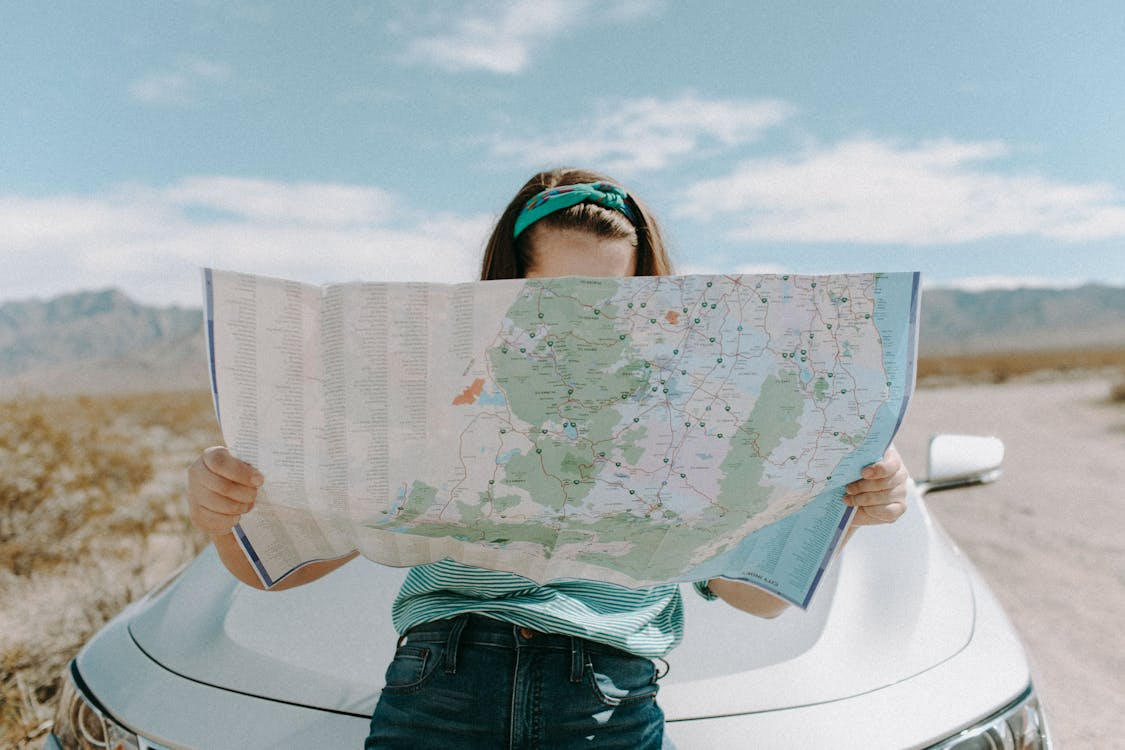
Photo by Leah Newhouse
What Should You Know About Vehicle-Based Solo Travel?
Having your own car puts you in the driver’s seat for everything. When to leave, where to grab food, and how long to hang out somewhere. All your calls. But this freedom means handling stuff that tour groups never think about.
Pre-Trip Vehicle Checks
That rental car becomes pretty much everything once you’re driving solo. Walk around it before leaving the lot. Check the tires and test every light, including turn signals. Lock and unlock all the doors to make sure they actually work. Hunt down the spare tire and confirm the tools are there. Companies love advertising roadside help, but fixing basic stuff yourself beats sitting around waiting.
Take photos of everything before you go. Get timestamps on any scratches or dings already there. Snap the odometer, gas gauge, and outside shots from different sides. Five minutes now saves you from fighting about charges later.
Safety Gear That Matters
Get these things sorted before your first day driving. You need a real first aid kit, not just band-aids. Toss in pain meds and any prescriptions you take. Add some antibiotic cream and gauze. A decent flashlight with backup batteries has saved more people than you’d think.
Make sure your phone charger actually works in the car by testing it right there. Keep a safety vest where you can grab it fast. Basic tools like screwdrivers, pliers, and duct tape belong in there. Stash a blanket and water bottles for when things go sideways.
Going somewhere cold means adding more gear. You’ll want an ice scraper for those frosty mornings. Extra layers help when the heater can’t keep up. Emergency snacks prevent hangry, bad decisions.
Where You Park
Where you park your car matters just as much as your driving route. Go for spots with good lighting near doors or cameras. Don’t pick isolated areas just because they’re closer. Listen to your gut when something feels off. According to the U.S. Department of State, women who park where people can see them run into way fewer problems.
Hit those locks the second you get in the car. Shove anything valuable in the trunk or under the seats. Some people swear by steering wheel locks because thieves take one look and move on.
How Do You Stay Connected While Traveling Alone?
Your phone works like a safety net you can’t see. Write out your whole trip plan and send it to someone who’ll actually notice if you go quiet. Give them hotel names, which roads you’re taking, and when you should arrive in your destination. Text them every day, even just a quick “made it safely” message.
Flip on location sharing with whoever’s your emergency contact. They can see where you are without bugging you constantly. Set up those auto-updates that ping if you don’t cancel them. Works like a check-in you don’t have to remember doing.
Grab translation apps before landing somewhere you don’t speak the language. Google Translate actually works without internet once you download the right language packs. Helps you read street signs, figure out menus, and ask people for help without freaking out.
Here’s what works for staying connected:
- Get a local SIM card so data doesn’t bankrupt you
- Find groups online where solo women share real tips about where you’re going
- Put emergency numbers in your phone now, not when you’re panicking
- Keep printed copies of important stuff in case your phone dies
Lots of countries have special helplines set up for tourists. They help in different languages with pretty much anything from simple questions to real emergencies. Look those up while you’re still planning.

Photo by Cottonbro Studio
What Are the Best Accommodation Strategies?
Staying flexible with where you sleep opens up way more options. Lock down your first night before leaving home. Maybe keep the rest loose if that’s how you roll. This way you can stick around longer somewhere awesome or bail early from somewhere that disappoints. No prepaid money wasted.
Hotels running their desks all night give you more than just late check-in. The people working there become your go-to for local intel. They’ll steer you toward neighborhoods that feel safe and restaurants that don’t rip off tourists. Big hotel chains even set aside whole floors just for women now with beefed-up security.
Hostels with private rooms work great when you’re watching your budget. You get to meet people without giving up your own space. Read what people said recently about safety and how clean things are. Pick places with lockable storage and common areas that don’t feel sketchy.
Vacation rentals make sense for longer stays when you want a kitchen and room to spread out. Research shows women traveling solo care way more about feeling secure than having fancy stuff. Go for ground-floor places with more than one way out if you can. Check the actual location on a map before booking so you don’t end up somewhere isolated.
Having a car totally changes where you can stay. You can pick spots outside pricey downtown areas where parking won’t kill your budget, and you can actually sleep without street noise. This often leads to finding family-run places and local spots that guidebooks miss completely. Just make sure they’ve got secure parking before committing.
Your Travel, Your Way
Solo female travel takes real prep work, but what you get back makes it worth it. Your car becomes how you get around and your safe zone when you set things up right. Staying safe comes from making smart calls based on what you know, not from skipping places that sound cool.
Do your homework, but leave space for those random moments that end up being what you remember most. Listen to that little voice when something about a person or place doesn’t sit right. Usually, it knows what’s up. Every trip you finish solo makes the next one feel easier. Women who travel alone talk about picking up skills in figuring stuff out and handling things themselves. Those abilities hang around way longer than tan lines or souvenirs. They become part of how you deal with regular life back home.