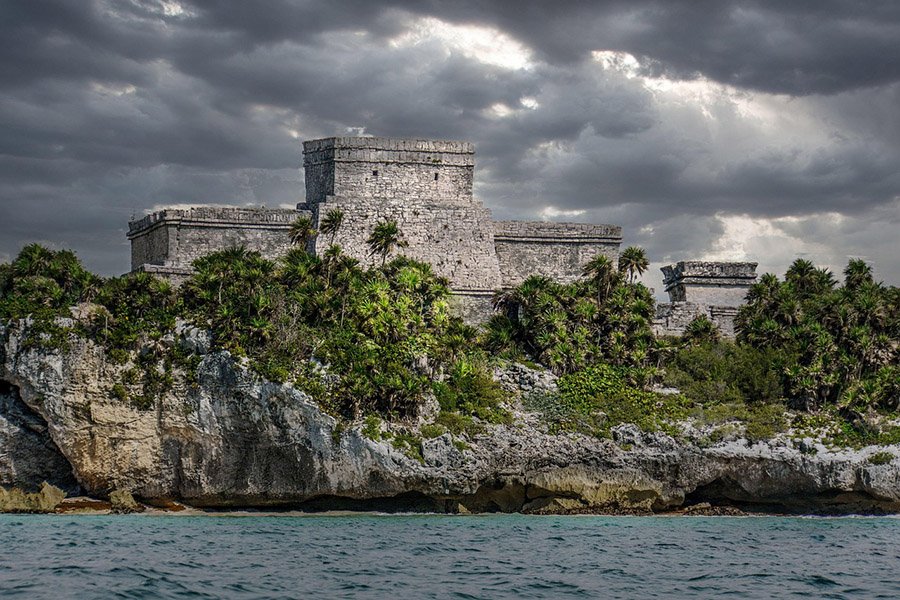
The typical Yucatán itinerary goes something like this: land in Cancún, sprint south to Tulum for a photo at the seaside ruins, and hurry back to the resort before the swim-up bar closes. If that loop feels a little too polished, you’re not alone.
The peninsula is huge—roughly the size of Pennsylvania—and the moment you leave the hotel zone you’ll find wild coastal marshes, howler-monkey jungle, and a constellation of cenotes so clear they seem lit from within.
Over two relaxed weeks of road-tripping, I traced a rough figure-eight from the Caribbean to the Gulf and back, trading predictable stops for dirt-road detours, and learning a few lessons about staying safe, staying respectful, and—crucially—staying connected in places where “No hay señal” is the default.
Why Slow Travel Works Here
Geographically, Yucatán is flat as a tortilla; you can drive coast to coast in half a day. Culturally, it’s layered: Mayan farmers still speak Yucatec at roadside markets, Spanish colonial cathedrals rise from once-sacred plazas, and twenty-somethings in Mérida debate indie film while sipping cold-brew de olla.
To appreciate that mix you need time to linger. Instead of packing the schedule, I chose four hubs—Puerto Morelos, Tulum, Valladolid, and Mérida—and gave each at least three nights, fanning out on day trips when curiosity struck. The result: no dawn alarms, plenty of hammock reading, and the freedom to let weather, local advice, or plain old whim dictate the plan.
Puerto Morelos: Reef, Mangrove, Repeat
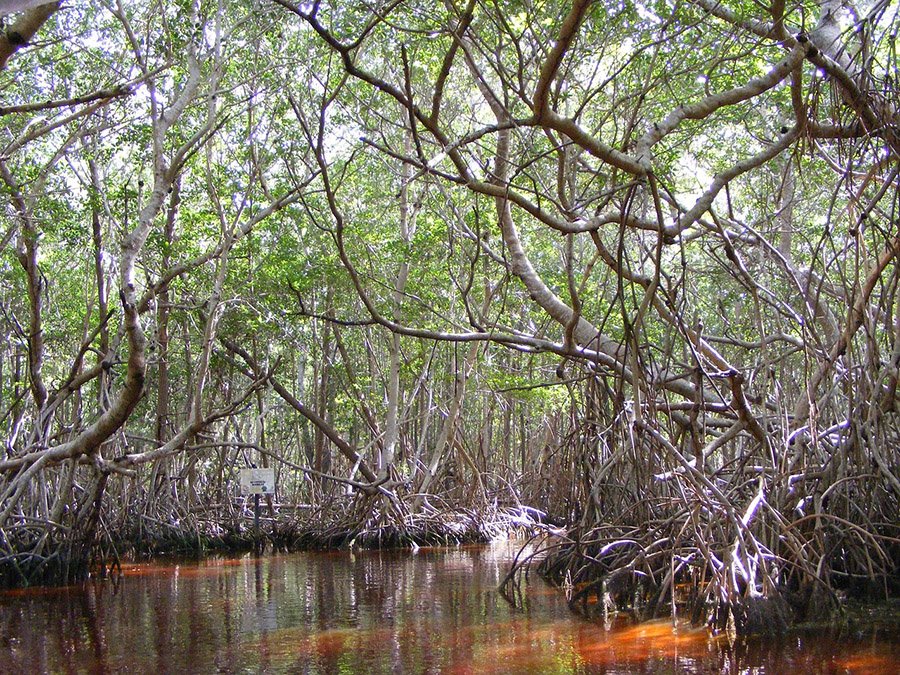
Just 45 minutes south of Cancún, Puerto Morelos is where the Mesoamerican Barrier Reef brushes closest to shore. A $25 snorkel tour drops you among brain coral, sea fans, and sea turtles so blasé they barely notice you. Inland, the Ruta de los Cenotes offers a sandy corridor of sinkholes; renting a bike in town and pedaling the first 10 kilometers is the best way to choose one that isn’t besieged by tour buses. Bring a waterproof headlamp—the less-developed caverns are darker than you’d expect.
Tulum’s Back Door
Tulum’s Instagram fame is deserved but overwhelming. To dodge the crowd, base yourself in the nearby pueblo of Muyil. Dawn paddleboards on Laguna de Muyil put you amid misty water lilies and the occasional croc splash, while ruins of the same name glow gold under first light, usually empty.
Hungry? A grandmother named Doña Conchita runs a tamal cart at the corner of Calle 6 and Avenida 5 that opens whenever she feels like it; the chipilín-filled pillows are worth stalking.
Valladolid by Bicycle
Valladolid’s colonial core is photogenic, but the magic lies in its radial network of bikeable backroads. One cloudless morning I followed a dirt lane flanked by sisal fields, then rolled into a village square where three elders sat under a ceiba tree carving gourds. We traded smiles; they pointed me toward Cenote Palomitas, a cylinder of blue hidden behind an unmarked gate.
I had it to myself for an hour—an impossible scenario at better-known Suytun. When the tropical deluge began, a roadside fruit stand became refuge; we shared sapote and local gossip until the rain passed. Moments like those are the dividend of going slow.
Mérida Nights and Flamingo Dawn
Mérida often gets billed as “the next Oaxaca,” but that misses its nocturnal zest. Streets that feel sleepy by day spark alive after sunset. I spent one evening following the echoes of jarana music into a courtyard where teenagers in embroidered huipiles danced for a neighborhood fundraiser. Another night I joined a local birder for a predawn drive to Celestún; pink clouds on the horizon blended with thousands of waking flamingos, painting the lagoon electric.
Staying Safe and Connected Off-Grid
Phones matter on a trip like this—not for doom-scrolling, but for maps, hurricane alerts, and the Spanish-Mayan dictionary I stumbled upon. Yet rural towers are scarce and roaming charges pounce the moment you cross a hidden network border. The workaround is an eSIM you preload before leaving home.
I downloaded mine in the airport lounge and toggled it on during the airplane’s taxi; two minutes later, WhatsApp pings rolled in. Hotspot capability saved my travel partner who works remotely, and the plan’s unlimited data meant we could stream the local indie radio station even on jungle roads. If you’re curious, you can explore the provider’s details here.
A couple of practical tips after two weeks of testing:
- Screenshot your QR code and store it in a cloud note; if you switch phones or accidentally delete the profile, you’ll need it.
- Use airplane mode in cenotes. Limestone walls sometimes confuse GPS and can drain your battery fast.
- Check the APN settings if speeds feel sluggish; Mexico’s carriers auto-update but sometimes need a nudge.
Responsible Travel in Sacred Spaces
Cenotes are more than swimming holes; they’re portals to Xibalba, the Mayan underworld. Locals still perform ceremonies along their rims, so shower before you plunge, skip the drone unless you have permission, and slip a few pesos into maintenance boxes—many are managed by small ejidos (community land trusts) who rely on visitor respect. In the biosphere reserves, stick to raised boardwalks; the mangrove root systems are fragile and take years to heal from one careless footprint.
Packing List for the Curious Wanderer
- Mask, snorkel, and reef-safe sunscreen – avoids the dreaded “shared gear surcharge” and protects coral.
- Quick-dry long-sleeve rash guard – doubles as sun protection and temple-appropriate cover-up.
- Headlamp (200 lumens or more) – essential for semi-wild cenotes and power-outage nights.
- Soft-shell dry bag – keeps camera gear happy during sudden tropical squalls.
- Folding bike lock – surprising how often you’ll stash a rental bike outside a fruit stall.
- Compact Spanish phrasebook or app – English fades fast beyond the tourist strip.
- Extra debit card – rural ATMs occasionally hold one hostage; having a backup spares headache.
Final Thought
The real Yucatán begins where package tours end: in the buzz of cicadas over a jungle trail, the soft echo inside a limestone dome, the smoky swirl of achiote in a market pot. Give yourself permission to wander, and arm yourself with the tools—maps, common phrases, a dependable data link—to wander well.
You’ll return with photos, sure, but more importantly with the calm that comes from moving at the peninsula’s own steady, sun-drenched pace. Safe travels, and may your next detour be the highlight you never planned.