Most camping gear is overpriced and too complex, but the most important piece of camping gear is your shelter. This is where people tend to go wrong in one of two ways: either buying a tent with so many bells and whistles that they’ll never use them, or buying a super-cheap tent and ending up miserable because it doesn’t hold up when it matters.
A good tent needs to keep rain out, allow some air to circulate, and withstand some wind. Those are really the only three requirements. Most tents are too heavy, too bulky and too expensive, with additional features that aren’t very useful in regular camping situations.
Four season tents are suitable for camping in rough conditions (alpine camping, for example), but for family camping at designated campsites, they’re simply overkill. Ultralight backpacking tents are also unnecessary for family camping since they compromise both durability and livability for lighter weight.
If you want a more permanent solution, consider a camper trailer or hybrid caravan which can eliminate the tent question altogether and provide a lot more comfort and weather protection. If you want to bridge the gap between tent camping and a full caravan, companies such as Austrack Campers provide the perfect solution for families.
Sleeping Systems That Don’t Require A Down Payment On Your Home
Marketing for camping gear takes a turn for the worse here. Sleeping is important. Spending hundreds of dollars for a sleeping bag rated for temperatures you’ll never see is not.
A good sleeping bag for moderate weather (most family camping trips fall under this) is one that’s rated for temperatures between 5 – 10°C. Once you warm up inside the bag, you just unzip it. When it gets cold, you throw a liner or another blanket in the mix.
And don’t forget that sleeping pads are important for insulating you from the ground. Foam pads are cheap and work fine for most people. Inflatable sleeping pads are a little more expensive but still within the realm of affordability.
Multi-chambered, adjustable-firmness sleeping pads are nice to have but the increase in price isn’t proportionate to their increased comfort level.
Cooking Gear That Will Get Used
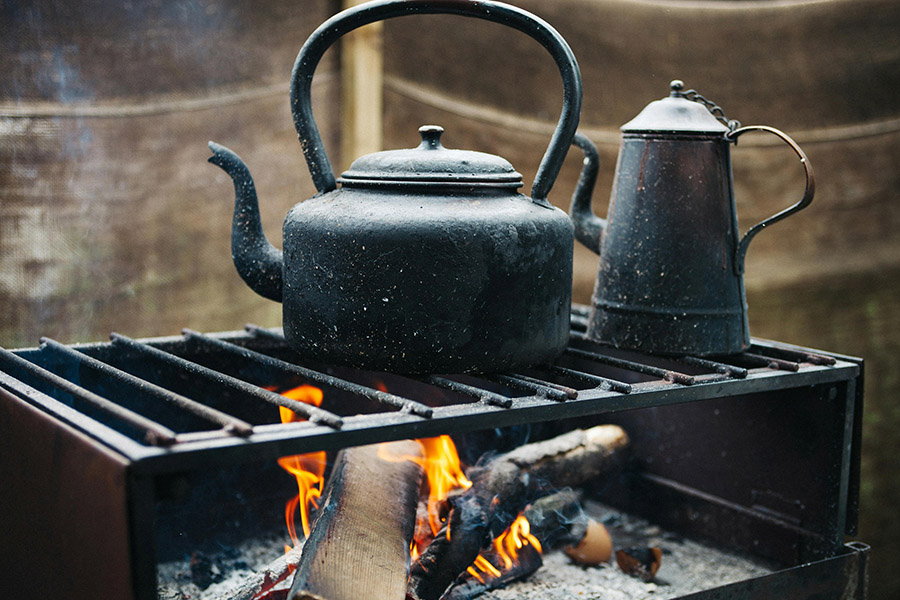
Portable camp kitchens have become ridiculous. Gas stoves with several burners, complete cookware sets, collapsible sinks, spice racks … it goes on and on. A two burner gas stove and a couple of pots and pans would be a huge improvement for most families.
Let’s face it, most meals are simple while camping. Who wants to waste time making a gourmet meal when they could be doing almost anything else? A stove that boils water and heats a pan will cover 90% of all your camp cooking needs.
All other cooking-related gadgets and gizmos are simply adding weight and complexity to your camp cooking setup for meals you’re unlikely to prepare anyway.
Coolers are no different. Just keep your stuff cold and that’s it. As long as you have a decent cooler that is insulated and doesn’t leak, the features like built-in thermometers and drain spouts are nice but not necessary.
Lighting That Doesn’t Make You Think Too Hard About It
Head lamps are essentials. Hands-free lighting makes everything so much easier once it gets dark.
While spending a bit more on a reliable head lamp is worth it, there is a big difference between a $30 head lamp and a $100 one when it comes to the average camping situation.
Lanterns are nice, but they are not absolutely necessary. A good head lamp can provide adequate ambient lighting by hanging it from a tent pole or placing it upright on a flat surface.
Purpose-built lanterns are obviously more convenient for this, but they fit into the “nice to have” category instead of the “need to have” category.
String lights, LED lighting systems and other decorative lighting products are essentially camping decorations and will not contribute anything positive to your camping experience.
Furniture That Is Actually Functional
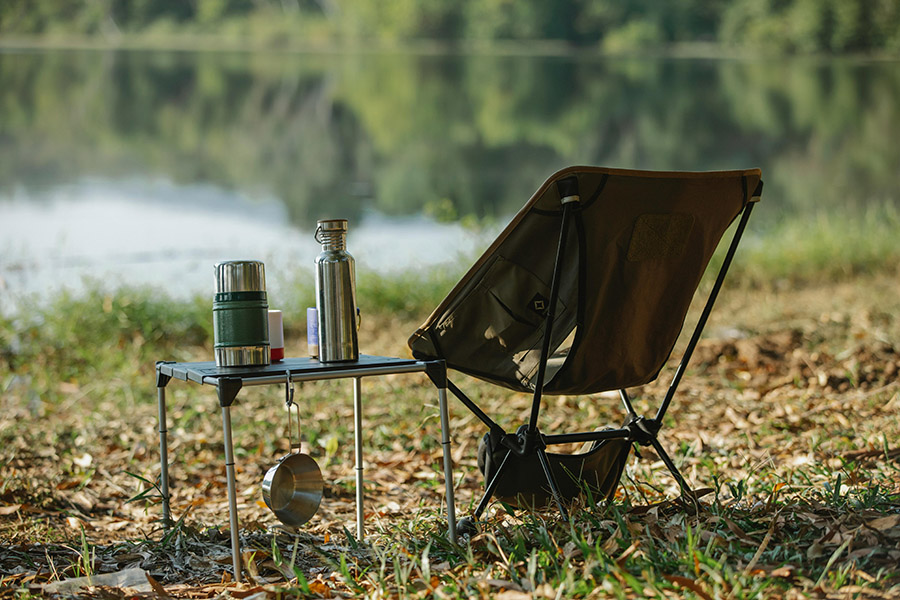
Camp chairs may seem like an optional item, but they greatly impact your overall comfort. Sitting on the ground or on a cooler becomes tedious quickly.
There are plenty of reasonably priced folding camp chairs that are great and don’t have to break the bank.
Camp tables are situational. Many campsites already have picnic tables available, eliminating the need for a portable table.
However, there are times when you might find yourself needing a table for preparation purposes or to eat and socialize outside of the dining area. A simple folding table is sufficient in these cases.
The Gear That Sounded Like A Must-Have But Wasn’t
This is the area where camping gear marketing really starts to pay off for manufacturers and convince consumers that they need products that are used hardly ever.
Portable showers, elaborate first aid kits that contain supplies needed to treat serious injuries, GPS units when your phone is perfectly capable of handling navigation, weather stations, portable generators for powering appliances in camp, etc., are examples of products that sit in the garage or closet between trips.
To determine whether or not you need a particular product, ask yourself: “Will I actually use this?” and “Does it solve a real problem?”
The portable shower is a prime example. While showers may sound great, most campsites have access to shower facilities and setting up a portable shower and pumping it full of hot water is far too much trouble for most campers to bother.
The same applies to many of the gadgets that promise to make your life easier but add complexity to your camping routine.
What Really Matters
At the end of the day, the products that truly make camping successful are the simple, everyday products. A reliable stove and fuel, a shelter that protects you from the elements, sleeping gear that gives you a good nights’ sleep, enough light to get around safely at night, a cooler to keep food cold, and some place to sit are the essential products.
Once you identify what you really need to make your camping experiences enjoyable, and focus on acquiring those items, the amount of non-essential gear you acquire will decrease dramatically.
The best camping setups tend to be the ones that have been refined through multiple trips, where families figured out what they actually use and got rid of everything else. Starting with basic essentials and only adding items when a genuine need becomes clear prevents the accumulation of unused gear that clutters storage spaces and complicates packing.
It’s the families that camp regularly that haven’t accumulated an arsenal of gear. It’s the families that have figured out what is important and stopped caring about the rest. They’ve learned through experience that having the right basic items beats having every possible gadget, and that simplicity often leads to better experiences than complexity.
The point of camping is to be outdoors, not to worry about a bunch of gear. By focusing on simple, effective products, you can enjoy the experience of camping without turning every trip into a logistical nightmare. The memories come from the places visited, the time spent together, and the break from routine, not from having the most advanced equipment or the longest list of specialized gear. Keep it simple, keep it functional, and spend more time actually camping instead of managing equipment.