Explore the captivating world beneath the waves through underwater photography, a unique challenge that rewards you with breathtaking images.
Mastering this art requires a blend of skill, patience, and the right equipment to capture vibrant coral gardens and elusive marine life. Protecting these ecosystems is paramount, emphasizing the need for controlled buoyancy during your photographic adventures.
Underwater photography offers a mesmerizing glimpse into a realm teeming with colors and creatures unlike any other. As you prepare to embark on this aquatic journey, selecting the right gear is crucial for capturing the stunning beauty of the ocean depths.
Beyond equipment, mastering techniques specific to underwater environments can significantly enhance your photography skills. While exploring these underwater paradises, maintaining a respectful distance and minimizing impact on marine habitats is essential for sustainable diving practices.
Choosing the right gear for underwater photography
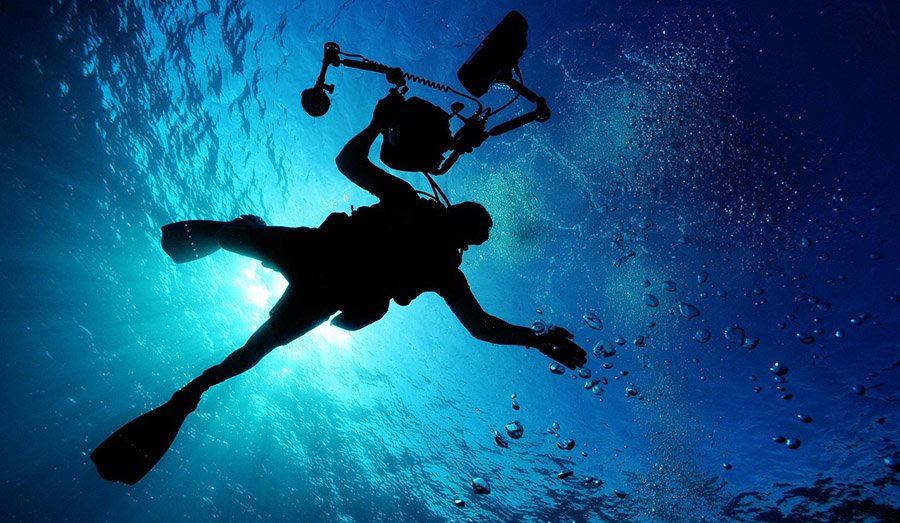
When diving into underwater photography, selecting the right gear is crucial to achieving high-quality results. Cameras specifically designed for underwater use are equipped to handle the unique challenges posed by water pressure and low light conditions.
Options range from compact models suitable for beginners to advanced DSLRs that offer greater control over exposure settings. Housing units are essential to keep your camera protected while allowing full functionality beneath the waves.
Lenses play a crucial role in framing your shots effectively. Wide-angle lenses are particularly popular as they capture expansive scenes of coral reefs and schools of fish, providing a comprehensive view of the marine environment.
Macro lenses, on the other hand, are ideal for photographing smaller subjects like colorful nudibranchs or intricate details of coral polyps. Strobe lights or flash systems can also be invaluable in enhancing color and reducing backscatter caused by particles in the water.
In addition to camera equipment, accessories such as floating wrist straps and lens cleaning kits ensure your gear remains safe and functional throughout your dive. Understanding how each piece of equipment works together allows you to focus on composition and creativity, turning each dive into an opportunity for exceptional photographic captures.
Maintenance of your underwater photography equipment is equally important as the initial selection. Regular cleaning of O-rings, checking for water damage, and proper storage between dives ensures longevity of your investment.
Consider investing in backup batteries and memory cards, as equipment failures underwater can end a shooting session prematurely. Many photographers also find that having a dedicated camera bag designed for dive environments helps protect gear during transportation and provides quick access to essential items during surface intervals.
Techniques for vibrant underwater photos
Underwater photography demands a unique set of skills distinct from traditional land-based shooting. One of the most important techniques is mastering buoyancy control to stabilize yourself while capturing images without disturbing marine life or stirring up sediment. Scuba BCD plays a vital role in maintaining neutral buoyancy, allowing you to focus on framing your shot rather than struggling with depth changes.
Understanding lighting dynamics is another critical aspect. Natural light diminishes rapidly underwater, so positioning yourself relative to the sun can dramatically affect color balance and exposure. For deeper dives where sunlight fades, artificial lighting becomes necessary to restore vibrancy to your images. Experimenting with different angles and distances will help achieve the desired effects.
Patience and observation are key when photographing wildlife. Approach slowly and minimize sudden movements to avoid startling creatures. Observing animal behavior allows you to anticipate moments worth capturing, such as a fish darting through coral or an octopus camouflaging against rocks. By honing these skills, you’ll develop an instinctive understanding of how best to capture dynamic scenes within the ever-changing underwater world.
Color correction techniques are essential for achieving professional-looking results in underwater photography. Water absorbs different wavelengths of light at varying depths, with red being the first to disappear, followed by orange and yellow.
Understanding how to use white balance settings or color correction filters can help maintain natural colors in your images. Many photographers opt to shoot in RAW format, which provides greater flexibility in post-processing to adjust white balance and recover lost colors while maintaining image quality.
Practicing eco-friendly etiquette in marine environments
Respectful interaction with marine ecosystems is integral to sustainable underwater photography practices. Adhering to eco-friendly diving etiquette ensures minimal disturbance to these fragile habitats while preserving their natural beauty for future generations. Avoid touching or manipulating marine life as even slight contact can cause harm or disrupt delicate ecosystems.
Awareness of your surroundings is essential; be mindful of where you position yourself to prevent accidental damage to corals or disturbing sediment that could cloud visibility. Maintaining proper buoyancy control not only aids in capturing clearer images but also reduces unintentional contact with sensitive structures like reefs or seagrass beds.
Participating in local conservation efforts or engaging with organizations dedicated to marine protection can further enhance your understanding of these environments’ significance.
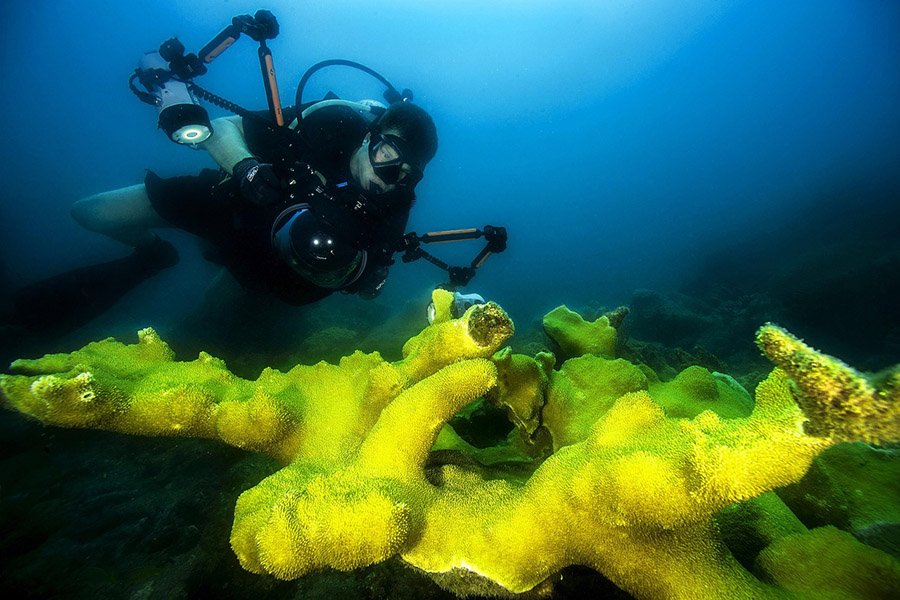
Sharing knowledge about responsible practices within diving communities fosters a culture of conservation-minded photographers who prioritize preserving the ocean’s wonders while enjoying their craft.
Documentation and reporting of marine environmental changes can make your underwater photography serve a greater purpose. Many scientific organizations welcome photographs that track coral bleaching, invasive species presence, or unusual marine animal behavior.
By combining your passion for photography with citizen science initiatives, you can contribute to marine conservation efforts while creating compelling images. Consider partnering with local marine research programs or submitting your observations to environmental monitoring databases.
Building skills through continuous learning and practice
The journey towards mastering underwater photography is one marked by continuous learning and practice. Attending workshops or courses led by experienced photographers provides valuable insights into advanced techniques such as manual settings adjustment or post-processing tips tailored specifically for underwater images.
Joining online forums or social media groups dedicated to underwater photography offers opportunities for exchanging ideas and receiving feedback on your work from fellow enthusiasts around the globe. These platforms serve as valuable resources where you can seek advice on overcoming challenges encountered during dives or exploring new locations renowned for their biodiversity.
Regularly reviewing your own portfolio allows you to track progress over time while identifying areas needing improvement — whether it’s refining compositional skills or experimenting with different lighting setups under varying conditions — ultimately leading towards creating stunning visuals that captivate audiences worldwide while respecting nature’s splendor beneath our oceans’ surfaces.