

Africa is the second-largest continent on Earth, stretching from the Mediterranean in the north to the temperate and subtropical zones in the south. It covers more than 30 million square kilometres and includes deserts, rainforests, volcanic mountains and high plateaus. Because many people associate Africa with heat, they are often surprised to learn that several regions experience real winter conditions and seasonal snowfall.
Climate in Africa
Africa’s climate varies widely.
• Northern Africa is dominated by the Sahara, the world’s largest hot desert.
• Central Africa is humid and tropical with year-round warmth.
• Eastern and southern Africa include highlands, rift valleys and mountain ranges with cooler temperatures.
• Southern Africa has a mix of Mediterranean, temperate and semi-arid climates.
Elevation is a major driver of temperature across the continent. High-altitude regions can be cold even near the equator. Some of Africa’s tallest mountains rise above 4,000 metres, creating conditions cold enough for snow and ice.
Seasons in Africa
Africa’s seasons depend on latitude and region.
• North Africa follows a more Mediterranean pattern with hot summers and mild winters.
• Central Africa has wet and dry seasons rather than four seasons.
• Eastern and southern Africa have clearer distinctions between summer and winter, especially in highlands.
Snowfall is mainly limited to mountainous areas where temperatures drop below freezing during the cooler months.
When Does It Snow in Africa?
Yes, it does snow in Africa, but only in specific regions where elevation or latitude allows for cold winter air. Snowfall typically occurs between June and August in southern Africa and between December and February in northern Africa. High mountain peaks near the equator can have snow at any time of year.
Large lowland areas never experience snow because temperatures stay too warm throughout the year.
Where Does It Snow in Africa?
Atlas Mountains (Morocco and Algeria): The Atlas Mountains receive regular winter snowfall, especially at higher elevations above 2,000 metres. Morocco even has ski resorts, such as Oukaïmeden, where snow often falls between December and March.
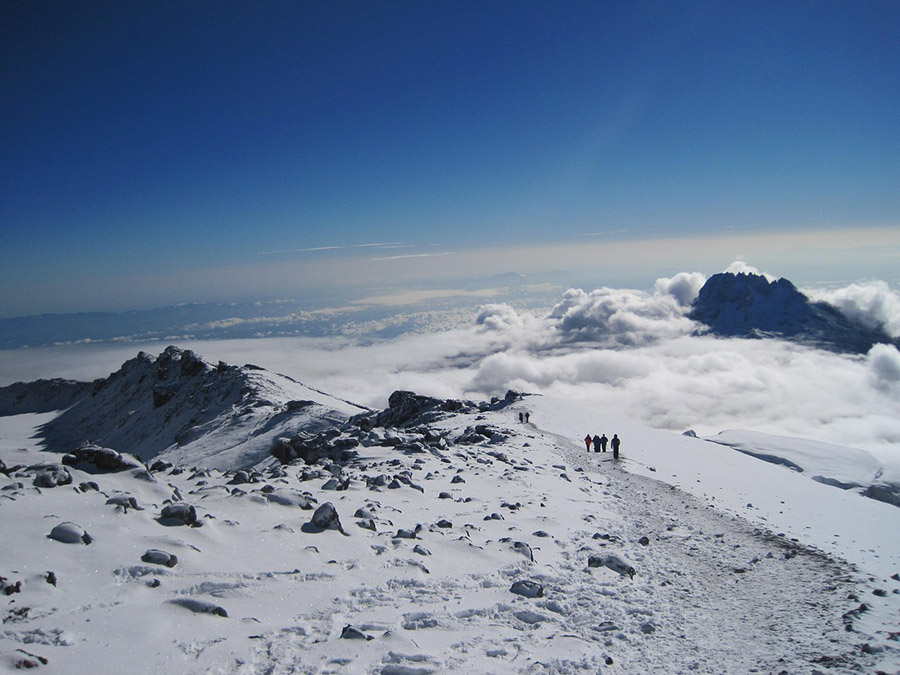
Mount Kilimanjaro (Tanzania): Kilimanjaro’s summit is capped by glaciers and perennial ice fields. Snowfall occurs throughout the year at the highest altitudes. Lower slopes do not see snow, but the upper peak remains cold and icy.
Mount Kenya (Kenya): Africa’s second-highest peak also receives year-round snow and ice at its highest points. The mountain’s equatorial glaciers are shrinking, but the summit still experiences frequent snowfall.
Ruwenzori Mountains (Uganda and Democratic Republic of the Congo): Known as the “Mountains of the Moon,” the Ruwenzori range is famous for snow, glaciers and cold temperatures despite being near the equator. Snowfall occurs regularly at high elevations.
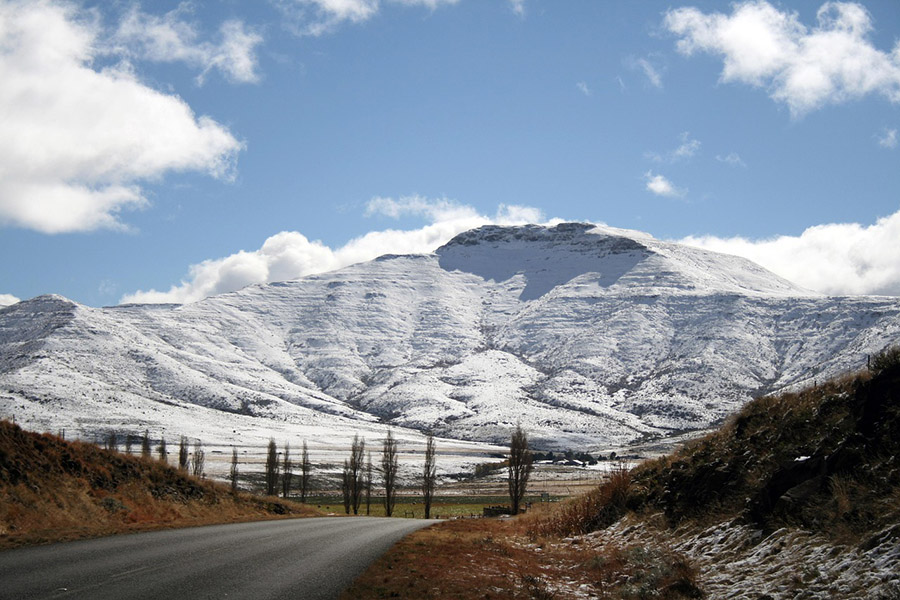
Drakensberg Mountains (South Africa and Lesotho): Winter snow is common in the Drakensberg, especially in the kingdom of Lesotho, which sits on a high plateau. Some areas in Lesotho receive snow several times each winter.
Highlands of Ethiopia: The Ethiopian Highlands are cooler than surrounding regions, and while snowfall is rare, the highest peaks can receive occasional snow during especially cold spells.
Does It Snow in African Cities?
City snowfall is uncommon but not impossible.
• Johannesburg, South Africa: rare but not unheard of
• Cape Town: snow does not fall in the city, but nearby mountains often receive winter snow
• Ifrane, Morocco: regular winter snow, sometimes heavy
• Addis Ababa, Ethiopia: occasional very light snow or sleet at higher suburbs
Most African cities never see snow because they are either too warm or too far from mountainous areas.
Enjoying the Snow in Africa
Africa’s snowy regions offer varied winter experiences.
• Morocco has ski resorts where visitors can ski, snowboard or enjoy alpine scenery.
• The Drakensberg and Lesotho offer winter hiking, snowy viewpoints and cold, crisp mountain air.
• Kilimanjaro, Mount Kenya and the Ruwenzori Mountains attract high-altitude trekkers who encounter snow near the summit.
These destinations provide a striking contrast to the continent’s deserts, savannas and tropical coastlines.
What to Wear in Africa During Winter
Clothing needs differ widely across the continent.
• Mountain regions: heavy winter jackets, gloves, thermal layers and waterproof boots
• Southern Africa’s cool cities: jumpers, coats and warm trousers
• North Africa: medium winter clothing for cold nights
• Tropical lowlands: light clothing is adequate throughout the year
At high elevations, temperatures can drop below freezing even when surrounding regions remain warm.
Final Thoughts
If you were wondering whether it snows in Africa, the answer is yes in the right locations. Snow appears regularly in the Atlas Mountains, on the high peaks of East Africa and across the southern highlands. Lowland areas stay hot or warm year-round, so snowfall is limited to specific climates and elevations.
For travellers, Africa’s snowy regions offer unique landscapes and a surprising side of the continent that contrasts with its deserts, savannas and tropical forests.
