Japan stretches from the subarctic north to the subtropical south, creating one of the most varied climates in Asia. This long archipelago covers almost 378,000 square kilometres and includes major islands such as Hokkaido, Honshu, Shikoku and Kyushu. Its capital, Tokyo, is known for mild winters, but the country as a whole is famous for heavy snowfall, mountain ranges and winter sports.
Climate in Japan
Japan’s climate is shaped by its geography and the surrounding seas.
• The north experiences long, cold winters.
• Central regions have distinct four-season weather influenced by mountains.
• The south enjoys warm, humid conditions with mild winters.
Winter weather patterns are strongly affected by the Siberian air mass. When cold winds blow across the Sea of Japan, they pick up moisture and release it as heavy snow along Japan’s western coast and mountain slopes. This phenomenon produces some of the deepest snowfalls in the world.
Seasons in Japan
Japan has four clear seasons.
• Spring: March to May
• Summer: June to August
• Autumn: September to November
• Winter: December to February
Summer is hot and humid, while autumn and spring are mild with stable weather. Winter conditions vary sharply between regions. Coastal areas facing the Pacific Ocean stay relatively dry, while the Sea of Japan side receives intense snowfall.
When Does It Snow in Japan?
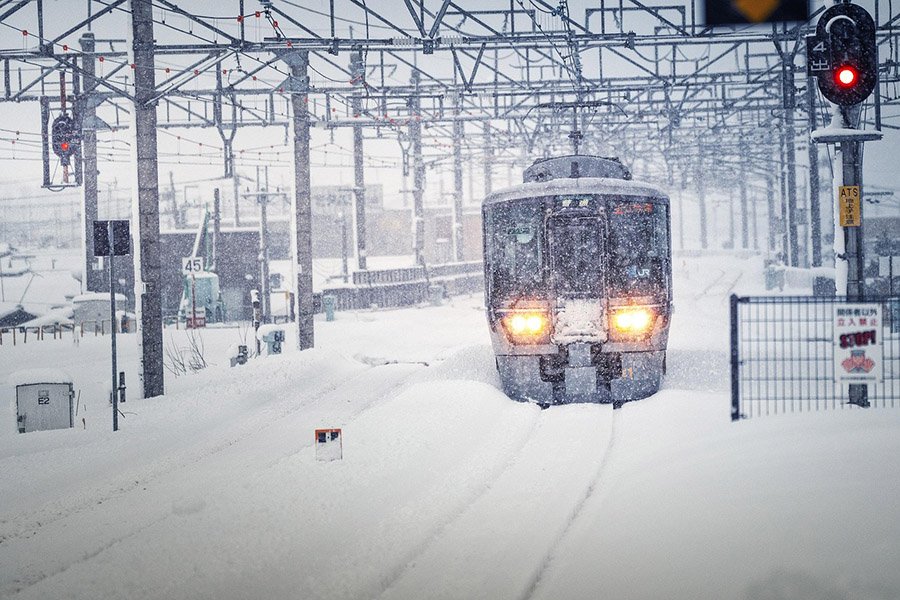
Yes, it snows in Japan, and in many places it snows heavily. Snowfall usually begins in late November or early December, peaks in January and February, and fades by early March. Northern and mountainous areas can see snow earlier and for longer periods.
Some towns in Japan record several metres of snow per winter, making the country one of the world’s most reliable destinations for powder snow.
Where Does It Snow in Japan?
Hokkaido
Hokkaido, Japan’s northernmost island, is famous for cold winters and consistent snowfall. Popular areas include:
• Sapporo
• Niseko
• Furano
• Asahikawa
Niseko in particular is renowned worldwide for its light, fluffy powder.
Japanese Alps (Honshu)
The central mountains of Honshu also receive significant snowfall. Key winter destinations include:
• Hakuba Valley
• Nozawa Onsen
• Shiga Kogen
• Myoko Kogen
These regions offer extensive ski terrain, traditional hot spring towns and dramatic alpine landscapes.
Sea of Japan Coast
Cities and towns along this coastline, such as Niigata, Kanazawa and Akita, often experience heavy snow due to the Siberian air flow over the sea.
Tohoku Region
The northern part of Honshu is cold and snowy, with areas like Aomori and Yamagata known for record-breaking accumulation.
Does It Snow in Japanese Cities?
Snowfall differs widely between urban areas.
• Sapporo: heavy and regular snow
• Aomori: among the snowiest cities in the world
• Sendai, Kanazawa, Niigata: frequent winter snow
• Tokyo: occasional light snow, rarely accumulates
• Osaka and Kyoto: rare and usually brief
• Nagoya and Hiroshima: very limited
• Fukuoka and southern cities: snow is uncommon
Tokyo might see snow once or twice a year, but major accumulation is rare.
Enjoying the Snow in Japan
Japan is a major global destination for winter sports. Resorts across Hokkaido and the Japanese Alps offer skiing, snowboarding, snowshoeing and scenic gondola rides. The snow quality is often exceptional due to the cold, dry winter air.
Beyond sports, winter brings unique experiences such as:
• Snow-covered temples and shrines
• Outdoor hot springs (onsen) surrounded by winter scenery
• Snow festivals, including the famous Sapporo Snow Festival
• Snow monkeys bathing in natural hot springs at Jigokudani
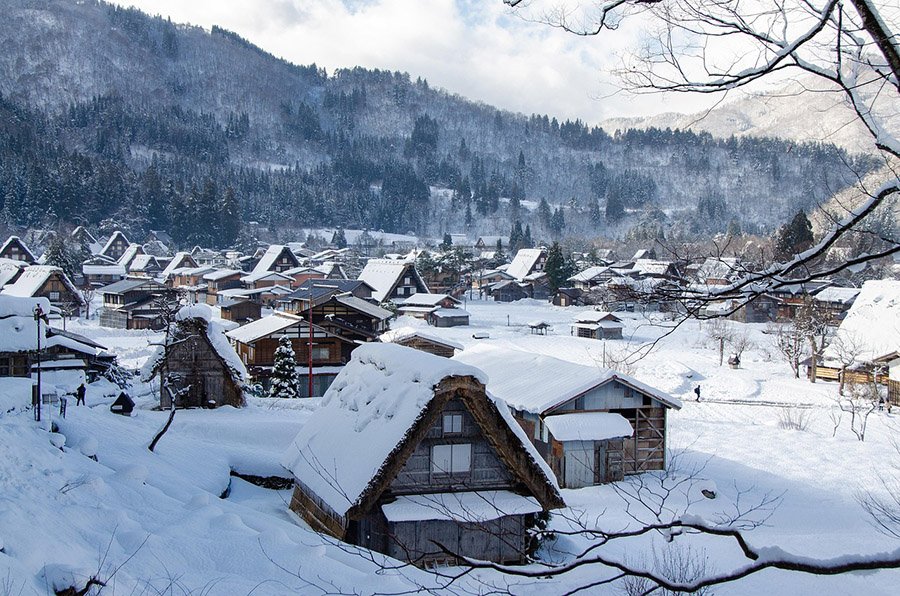
Traditional towns like Takayama, Shirakawa-go and Ouchi-juku become especially picturesque when blanketed in fresh snow.
What to Wear in Japan During Winter
Japan’s winter clothing needs vary by region.
• Hokkaido and the Alps: thick winter jackets, warm layers, gloves, waterproof footwear
• Central and northern Honshu: medium to heavy winter clothing
• Tokyo and southern regions: light winter wear such as coats and sweaters
The wind chill can be strong along the Sea of Japan coast, so windproof layers are useful. Snowy regions also require good traction footwear.
Final Thoughts
If you were wondering whether it snows in Japan, the answer is a strong yes. Japan receives some of the world’s heaviest and most reliable snowfall, especially in the north and mountainous interior. Southern areas and major Pacific-facing cities like Tokyo remain much milder, but winter is still a distinct and important season across the country.
For travellers, Japan offers a rare combination of world-class snow, winter festivals, cultural attractions and varied landscapes. Whether you want deep powder or serene snowy towns, Japan’s winter climate offers plenty to explore.