Elevated travel doesn’t have to mean dramatic scenery or five-star excess. Often, it’s about places that are easy to settle into and rewarding to explore without much effort. Trips where transport works smoothly, days fall into a natural rhythm, and there’s enough going on to keep things interesting without feeling rushed. It’s the kind of travel where comfort matters, but curiosity still leads the way.
What makes a destination feel elevated is usually practical rather than flashy. Good connections. Walkable centres. Hotels that understand quiet as a luxury. Food that reflects where you are, not what’s trending. The places below all offer that balance in different ways. They work because they’re well set up for travellers who want depth without stress, and experiences that feel intentional rather than staged.
Swiss Alps, Switzerland – Scenic Rail Routes and Easy Mountain Living
Travelling through the Swiss Alps is refreshingly straightforward, which is a big part of the appeal. Trains link major alpine towns efficiently, and routes like the Glacier Express and Bernina Express turn travel days into experiences in their own right. Sitting by the window as the train passes Lake Geneva, the Upper Engadine, or snow-covered passes is often just as memorable as the destination itself.
Bases like Zermatt, Wengen, and St. Moritz work well for different reasons. Zermatt is car-free and ideal for walking, with access to the Gornergrat railway for wide mountain views. Wengen suits travellers who want quieter surroundings and direct hiking access. St. Moritz adds lake walks and winter sports alongside its more polished reputation.
Luxury here tends to focus on ease. Hotels prioritise soundproof rooms, good breakfasts, spa facilities, and views that don’t need explaining. Guided walks, private transfers, and flexible itineraries are where Switzerland tour packages are genuinely useful, especially when they allow time for weather changes rather than locking plans too tightly. Evenings are simple: a short stroll, a relaxed meal, and early nights if the altitude has its say.
Marrakech, Morocco – Historic Sights, Local Markets, and Calm Retreats
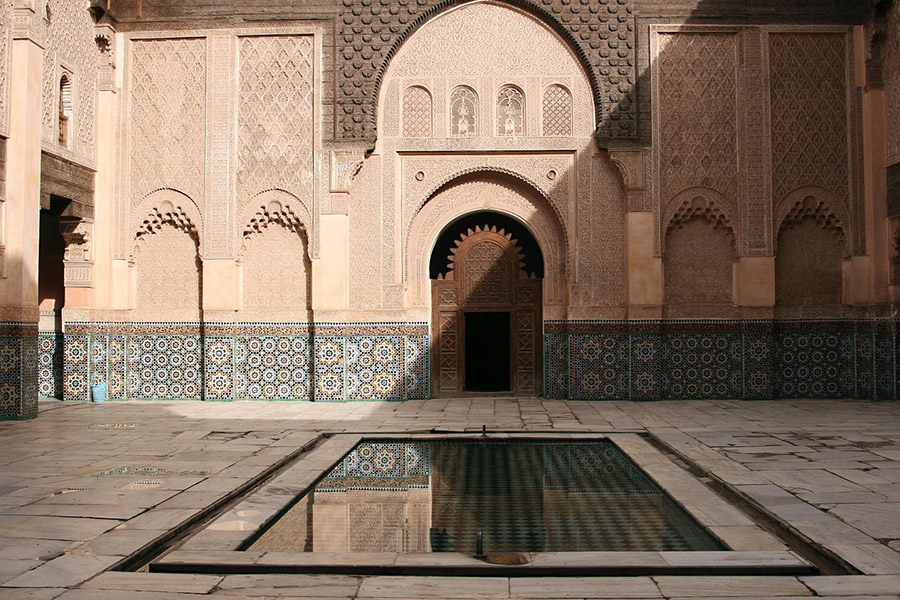
Marrakech can feel intense at first, but it becomes far more manageable once you understand its layout. The medina is dense and lively, centred around Jemaa el-Fnaa square, while neighbourhoods like Kasbah and Mellah feel slower and more residential. Staying in a riad makes a noticeable difference. Many are located a few minutes’ walk from the main streets, which helps balance activity and rest.
Days usually involve short bursts of exploration rather than long outings. The souks around Rahba Kedima and Souk Semmarine are ideal for wandering, even without a shopping goal. Bahia Palace and El Badi Palace are both easy visits that offer shade and a sense of the city’s history. Jardin Majorelle, especially early in the morning, provides a quieter contrast.
Luxury in Marrakech is practical rather than showy. Hammams offer structured treatments that help you reset after walking all day, and rooftop terraces make breakfast or dinner feel removed from the street below. Evenings are often spent close to where you’re staying, with local restaurants serving tagines, grilled meats, and salads that are filling without being heavy. It’s a city that rewards pacing yourself.
London, UK – Neighbourhood Exploration and Flexible City Days
London works best when you approach it by area rather than attraction. Neighbourhoods like Bloomsbury, Marylebone, Clerkenwell, and South Kensington allow you to explore on foot without constant transport planning. Each area has enough museums, cafés, shops, and green spaces to fill a day comfortably.
Cultural stops are easy to mix into everyday plans. The British Museum, Tate Modern, and National Gallery don’t require full days and can be combined with walks along the Thames or through Hyde Park. Food is one of London’s strongest draws, particularly bakeries, neighbourhood restaurants, and traditional pubs that serve good lunch menus.
Hotels that sit within residential streets rather than tourist hubs often feel calmer, and dinner and bed and breakfast deals can work well here, allowing you to eat locally without committing to a set schedule. London’s real strength is flexibility. Plans can change mid-day without ruining the experience, which makes the city ideal for travellers who prefer following interests rather than itineraries.
Cape Town, South Africa – Coastal Drives, Vineyards, and Open Space
Cape Town’s layout naturally encourages variety. The city centre, coastline, mountains, and vineyards all sit close together, making it easy to shift pace throughout the day. Table Mountain is a constant reference point, whether you hike it, take the cable car, or simply view it from below.
Neighbourhoods like Sea Point and Camps Bay are popular for coastal walks and casual dining, while the V&A Waterfront offers shopping and harbour views without feeling too enclosed. A short drive takes you to Constantia or Stellenbosch, where vineyard visits are relaxed and focused on conversation rather than formal tastings.
Chapman’s Peak Drive is one of the most rewarding short drives in the region, especially late afternoon when the light changes over the Atlantic. Luxury accommodation here often emphasises space – large terraces, open living areas, and views that invite downtime. Cape Town is particularly good for travellers who like combining activity with rest, without having to choose between the two.

Banff, Canada – Mountain Trails, Lakes, and Comfortable Lodges
Banff is compact and well organised, which makes exploring the surrounding national park surprisingly easy. The town itself has grocery stores, cafés, and restaurants within walking distance, allowing travellers to focus on outdoor time rather than logistics. From Banff, it’s simple to reach Lake Louise, Moraine Lake, and the Icefields Parkway.
Short hikes like Fenland Trail or the Lake Minnewanka shoreline suit most fitness levels, while more challenging routes can be added gradually. Wildlife sightings are common, especially early in the morning or at dusk, and park staff provide clear guidance on safety and trail conditions.
Lodges around Banff prioritise warmth and comfort, with large lounges, fireplaces, and mountain-facing windows. After a day outside, evenings tend to be quiet – hot meals, minimal planning, and early nights. You don’t have to work hard to access extraordinary landscapes, which makes the experience feel generous rather than demanding.
Summary
Elevated travel isn’t defined by spectacle or status. It comes from destinations that support how people actually want to move, rest, and explore. The Swiss Alps offer order and calm through scenery and transport that works. Marrakech balances intensity with retreat. London rewards wandering without pressure. Cape Town provides space and contrast, while Banff brings nature close without complication.
Each destination offers a different kind of ease, but all share a sense of consideration in how they’re experienced. The most elevated trips are often the ones where very little needs forcing. When places are well set up, thoughtfully paced, and open to interpretation, travellers are free to notice the details that matter to them. That’s usually when a journey feels its most rewarding.