Picture this: it’s 7:30 AM, freezing outside, and you’re wrestling a reluctant toddler into their tenth layer while the clock ticks away. Sound familiar? Here’s the thing: getting winter dressing right means the difference between a kid who happily plays outside and one who’s miserable before breakfast ends. It’s not just comfort we’re talking about.
We’re keeping them healthy, active, and actually enjoying winter instead of dreading it. What follows is your no-nonsense roadmap to dressing little humans for cold weather, covering everything from layering logic to gear that genuinely delivers.
Understanding Your Child’s Winter Essentials
Look, dressing kids for winter isn’t complicated, but it does need some thought. Here’s what matters: every layer has a job, and missing even one means discomfort regardless of how much you spent on that fancy coat.
Here’s a sobering reality: children under 15 account for most of the sledding injuries seen at trauma centers. That’s exactly why protective winter clothing isn’t optional during outdoor activities.
Base Layer Basics
Your base layer? Think of it as skin number two. These pieces hug the body, snug, yes, but never restrictive. Material matters enormously here. You want moisture-wicking fabrics that pull sweat away instead of trapping it. Cotton’s your enemy in this layer. Seriously, avoid it. Cotton grabs moisture and keeps kids feeling gross and damp. Go for synthetic blends or merino wool instead. They actually let skin breathe.
Middle Layer Magic
Now we’re getting warm. Fleece pullovers, cozy sweaters, thermal tops, this layer traps body heat without creating bulk. Most parents build their winter clothes for kids collection around this middle zone because these items last multiple seasons. They’re adaptable enough for solo wear on moderate days and provide essential insulation when the mercury really plummets.
Outer Shell Protection
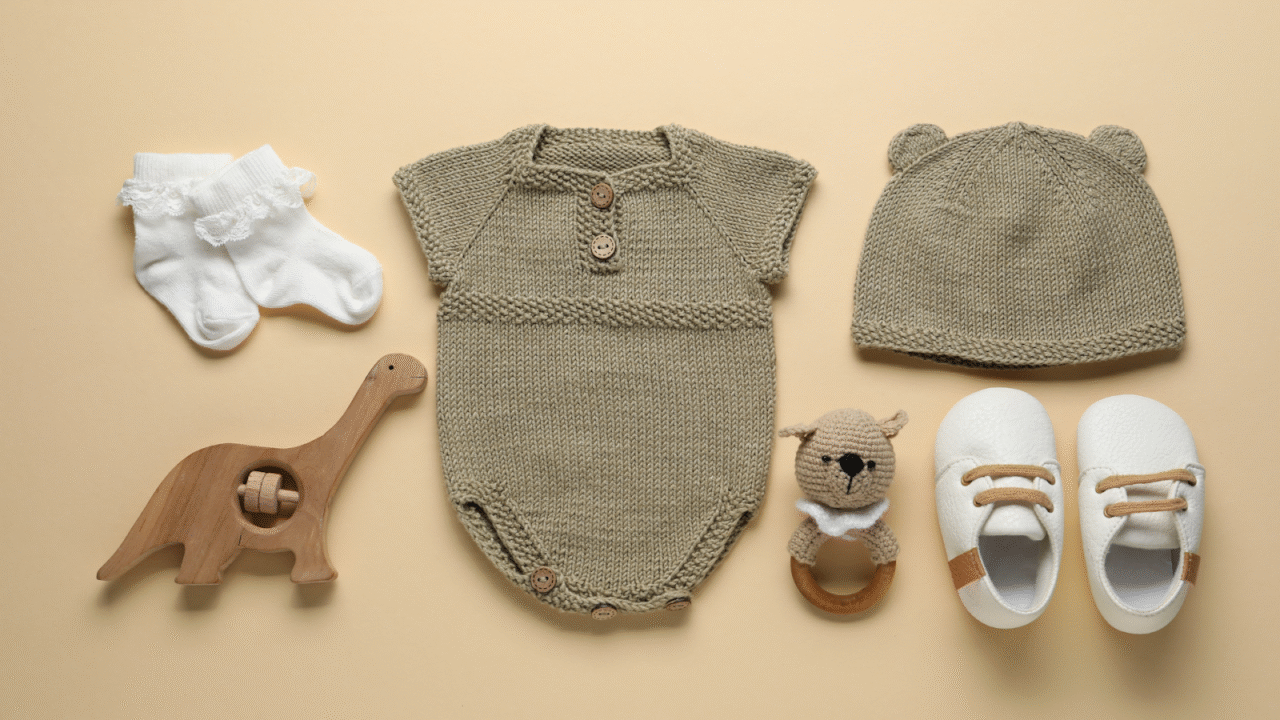
Your outer layer needs one job: block everything nasty outside. Wind, rain, snow, keep it all out. You’ll want waterproof or water-resistant materials depending on where you live. Plenty of shops carrying baby items also stock outer layers built for kids who never stop moving. Hunt for adjustable cuffs, solid zippers, and hoods that don’t slide off every three seconds.
 Source: Canva
Essential Winter Clothes for Kids
Okay, you’ve got the layering concept down. Now let’s get specific about what actually needs to hang in your closet. Having these pieces ready means smoother mornings and comfortable kids.
Coats and Jackets
Puffer jackets? They deliver serious warmth without the weight. Perfect for typical winter days, and they stuff nicely into backpacks when overheated classrooms make them unnecessary. When temperatures get brutal, parkas with longer coverage protect more body surface. Those three-in-one designs give real flexibility, shell only on milder days, add the liner when it’s chilly, or combine both when winter goes hardcore.
Snow Pants Options
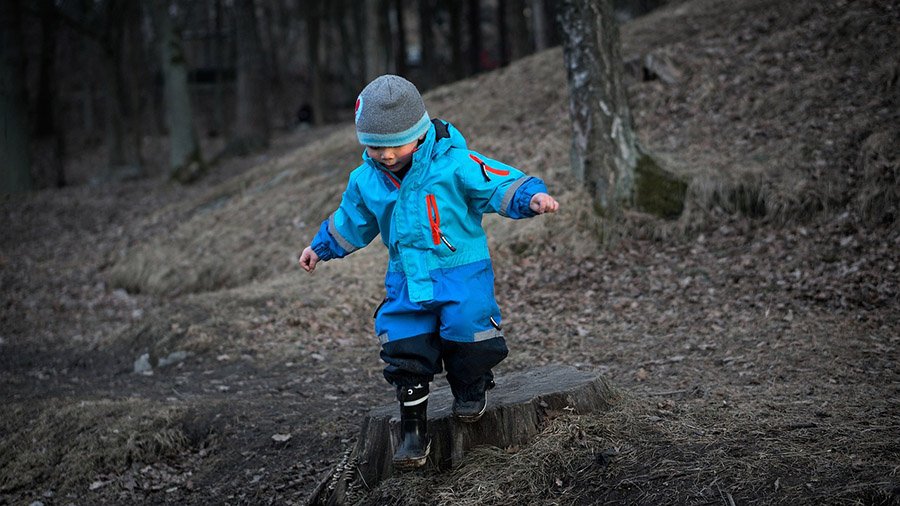
Never skimp on quality snow pants. Younger kids do brilliantly with bibs because there’s no waist gap when they’re bending and playing. Find ones with reinforced knees and seats, playgrounds aren’t gentle. Adjustable straps plus elastic cuffs mean these pieces grow with your child.
Everyday Warmth
Beyond the obvious outerwear, you’ll need tons of warm clothing for children for regular days. Long-sleeve shirts, comfortable sweaters, thermal leggings, these become your winter wardrobe workhorses. You’ll cycle through them constantly from November through March.
Best Winter Accessories for Children
Quality clothes build your foundation, but accessories? They complete everything. Often they’re what separates a kid begging to play outside from one demanding to come in immediately.
Hand Protection
Mittens beat gloves for younger children because clustered fingers generate shared heat. Elementary-age kids usually want gloves for better finger control. Whatever you choose, waterproof is mandatory for snow play. Mitten clips might seem vintage, but they save you from buying replacements every other week.
Head Coverage
Uncovered heads leak heat fast, making hats essential. Balaclava styles give maximum protection on brutal days, covering necks and faces simultaneously. Got a hat-hating kid? Try ear warmers or headbands as middle-ground solutions. Something they’ll actually wear beats the “perfect” option gathering dust at home.
Footwear Fundamentals
Boots make or break your winter experience. The Baby Clothing Market is expected to grow at a CAGR of 7.9% during 2024 and 2029, showing rising demand for quality children’s products, including proper footwear. Get insulated, waterproof boots with real traction. Size them for thick socks, boots fitting perfectly with thin socks fail when you need warmth. Quality wool or synthetic socks keep feet dry during marathon outdoor sessions.
How to Dress Kids for Winter
Theory’s wonderful, but application is where you actually need guidance. Mastering how to dress kids for winter means adjusting for different daily situations.
Morning Routines
Begin with your moisture-wicking base, add appropriate middle layer warmth, then finish with outer protection. Always check the weather beforehand, windy conditions demand more coverage than calm days at identical temperatures. School days need extra thought since kids bounce between heated buildings and frigid playgrounds repeatedly.
Activity-Based Dressing
Outdoor play requires totally different strategies than stroller time. Active children create their own body heat, meaning they need fewer layers than you’d guess. Overdressing causes sweating, which makes them cold when movement stops. For passive activities like stroller rides, add extra layers since they’re not generating warmth through activity.
Temperature Changes
Stash an extra layer in your vehicle or their backpack for surprise temperature drops. Evening activities starting in sunny afternoons can finish in much colder darkness. Teaching older children to recognize when they need adjustments builds self-sufficiency and comfort.
Smart Shopping and Care Tips
Knowing what to purchase is half the battle. Understanding when to shop and how to maintain everything stretches budgets considerably.
Budget-Friendly Strategies
End-of-season clearances offer amazing deals on kids winter fashion for next year. Buy somewhat larger during sales, children grow rapidly anyway. Consider secondhand for quickly outgrown items like snow pants and boots. Invest in quality outer layers that genuinely matter while going economical on items like thermal shirts that need frequent replacement.
Maintenance Matters
Proper care dramatically extends clothing’s life. Wash waterproof pieces following the manufacturer’s guidelines to maintain protective treatments. Store winter gear correctly during summer to prevent musty odors and pest damage. Address small problems like loose buttons or tiny rips immediately before they become replacement-worthy disasters.
Final Thoughts on Keeping Kids Winter-Ready
Getting winter clothing right doesn’t demand perfection, just sensible planning and solid basics. Prioritize quality layering, proper accessories, and teaching children to recognize their comfort signals.
Start with essentials, fill gaps as you discover them, and skip stressing about owning everything trending. Your child’s warmth and happiness trump owning every available option. These strategies prepare you for whatever winter delivers while preserving both sanity and budget. Cold weather doesn’t mean indoor imprisonment when everyone’s properly outfitted and ready to embrace the season.
Common Questions About Kids’ Winter Wear
What temperature actually needs a winter coat?
Generally below 50°F requires coats, but wind chill changes everything. Consider activity levels, active playground time needs less than sitting still. Trust your child’s input while teaching them to distinguish real cold from initial temperature shock.
How do you know if your child’s dressed warmly enough?
Feel their neck or back beneath clothing, these spots should feel warm without sweat. Cold hands don’t automatically mean underdressing since extremities cool naturally first. Watch for shivering, cold complaints, or play reluctance as real warning signs.
Why do certain kids seem unbothered by the cold?
Children create more body heat relative to size during activity, plus their perception differs from adults. However, smaller bodies also lose heat quickly, so don’t let apparent comfort trick you into inadequate dressing.