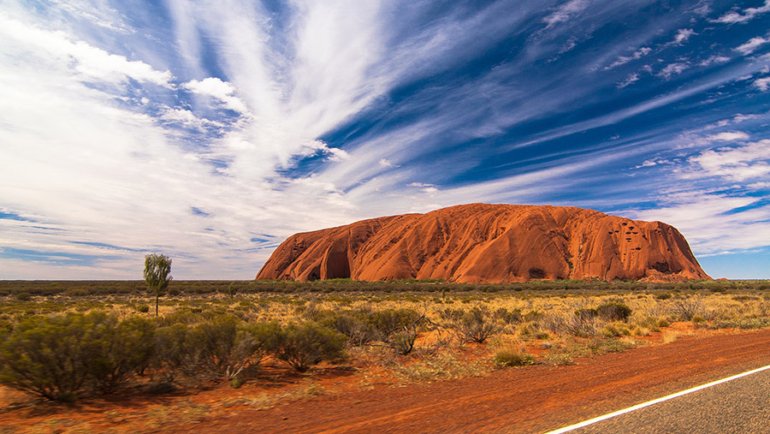
Australia is often associated with deserts, beaches and heat, yet it is far more varied than many visitors expect. Stretching from the tropics to the cool temperate south, the country covers 7.7 million square kilometres and has regions that experience a real winter season with regular snowfall. The capital is Canberra, while major cities include Sydney, Melbourne and Brisbane.
Climate in Australia
Australia spans several climate zones.
• The north is tropical with two seasons: a wet season from November to April and a dry season from May to October.
• The centre is dominated by arid and semi-arid deserts.
• The south has a temperate climate with four distinct seasons.
Humidity levels vary widely. Coastal areas tend to stay mild, while inland regions experience large temperature swings between day and night. Elevation plays a major role in temperature. Mountainous areas in the south-east are much colder than the surrounding lowlands, and they receive the country’s most reliable winter snow.
Seasons in Australia
As a southern hemisphere nation, Australia’s seasons are opposite to those in Europe and North America.
• Summer: December to February
• Autumn: March to May
• Winter: June to August
• Spring: September to November
Winter temperatures range from mild along the coast to freezing in the high country. Snowfall depends more on altitude than latitude, which explains why the south-east mountains see snow while many other regions stay warm.
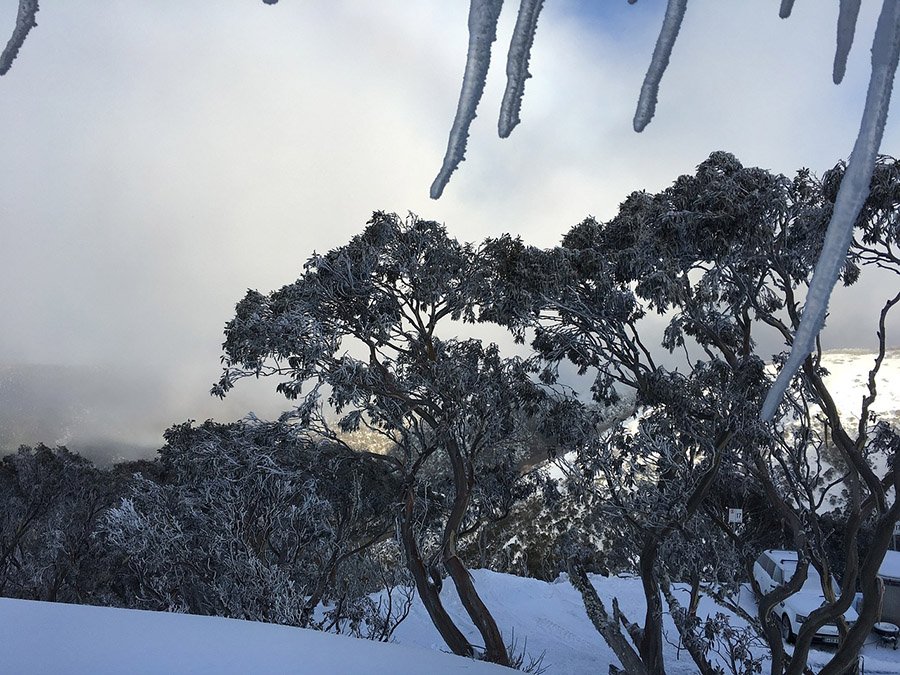
When Does It Snow in Australia?
Yes, it does snow in Australia. Snowfall occurs every winter, mainly between June and August, with the heaviest falls typically seen in July. Some higher peaks can receive early snow in May or late-season snow in September.
Most of the country never gets cold enough for snow. Places like northern Queensland, Western Australia and the Northern Territory remain warm throughout the year.
Where Does It Snow in Australia?
The Australian Alps
This is the country’s main snow region, stretching across New South Wales, Victoria and the Australian Capital Territory. These mountains form part of the Great Dividing Range and rise well above 1,500 metres.
Major winter areas include:
• Thredbo
• Perisher
• Mount Hotham
• Falls Creek
• Mount Buller
The Alps host Australia’s largest ski resorts and receive consistent snowfalls each year.
Tasmania
Being farther south, Tasmania experiences cooler weather. Snow can fall on the Central Plateau, Cradle Mountain, Mount Field and Mount Wellington near Hobart. While lower areas rarely see snow, the highlands can receive it throughout winter and occasionally outside the winter season.
Other Highland Regions
Snow is less predictable in places such as the Blue Mountains in New South Wales, the Grampians in Victoria and the Stirling Range in Western Australia. These areas usually receive light snowfall during cold outbreaks but do not have dependable winter snow.

Does It Snow in Australian Cities?
Most cities do not experience snow.
• Sydney: almost never
• Melbourne: rare and usually limited to outer suburbs at higher elevation
• Canberra: occasional light snow, though it rarely settles
• Adelaide, Perth, Brisbane, Darwin: no snow
Canberra is the only major city where light snowfall is possible, but even there it is infrequent.
Enjoying the Snow in Australia
Australia’s ski resorts are concentrated in the Alps and offer slopes, terrain parks, lessons and snowshoe trails. Thredbo and Perisher are the most developed and attract visitors from across the country each winter.
Tasmania appeals to travellers who prefer a quieter winter experience. Snowy walking tracks, lakes, forests and alpine huts create a calm and scenic alternative to ski resorts.
If you enjoy winter photography, high-altitude roads and national parks in Victoria, New South Wales and Tasmania offer excellent viewpoints after fresh snowfall.
What to Wear in Australia During Winter
Clothing needs differ depending on your destination.
• Alpine and Tasmanian highlands: thermal layers, warm jackets, gloves, waterproof trousers and sturdy boots
• Southern cities: jumpers, windproof jackets and comfortable trousers
• Northern Australia: light clothing is usually enough even in winter
The sun can be strong at high altitudes, so sunglasses, sunscreen and a hat are still useful, even during cold weather.
Final Thoughts
If you were wondering whether it snows in Australia, the answer is yes, but only in specific regions. The Australian Alps and the highlands of Tasmania offer reliable winter snow, while occasional light snowfall reaches other elevated ranges. The rest of the country remains too warm for snow to form.
For travellers, this contrast is part of Australia’s appeal. You can experience snowy mountain landscapes one day and be on a warm beach the next, all without crossing a national border.