Dark tourism has captivated travellers for centuries, drawing millions to sites associated with tragedy, mystery, and the paranormal. From ancient castles shrouded in legend to abandoned asylums echoing with untold stories, these destinations offer more than just a fright—they provide a window into history, culture, and the human fascination with the macabre.
What Is Dark Tourism?
Dark tourism, also known as grief tourism or thanatourism, involves visiting places historically associated with death, disaster, or the supernatural. While it might sound morbid, this type of travel serves an important purpose: it educates visitors about significant historical events, preserves cultural memory, and allows people to connect with the past in meaningful ways.
The appeal is undeniable. According to recent travel industry reports, dark tourism sites attract over 100 million visitors annually worldwide. Whether it’s walking through the corridors of a medieval dungeon or exploring battlefields where history was made, these experiences leave lasting impressions on those brave enough to venture into the shadows.
Why Do People Seek Out Haunted Destinations?
The Psychology Behind the Fear
Humans are naturally drawn to experiences that trigger adrenaline and heightened emotions. Visiting eerie locations provides a controlled environment where people can safely explore fear and curiosity. Psychologists suggest that confronting these unsettling scenarios can actually be therapeutic, allowing visitors to process complex emotions whilst remaining in a secure setting.
Educational and Historical Value
Beyond the spine-tingling atmosphere, many dark tourism sites offer profound educational opportunities. They tell stories of resilience, tragedy, and human endurance. Walking through these spaces creates an emotional connection to history that textbooks simply cannot replicate.
For those interested in exploring some truly spine-chilling destinations, discovering the World’s most haunted locations can provide inspiration for your next adventure into the unknown.
Planning Your Dark Tourism Adventure
Research Your Destination Thoroughly
Before embarking on a journey to any haunted or historically significant site, invest time in understanding its background. Learn about the events that transpired there, the cultural context, and any specific guidelines for visitors. This preparation enhances your experience and ensures you approach the location with appropriate respect.
Choose the Right Time to Visit
Many dark tourism sites offer special tours during evening hours or around significant dates, providing a more atmospheric experience. However, daytime visits can be equally rewarding, often allowing for clearer photography and more detailed exploration of the architecture and exhibits.
Respect the Location and Its History
Remember that many dark tourism destinations are sites of genuine tragedy and loss. Approach these places with sensitivity and reverence. Follow all posted rules, avoid disruptive behaviour, and consider the feelings of others who may have personal connections to the site’s history.

FAQ Section
Is dark tourism disrespectful to victims and their families?
When conducted responsibly, dark tourism honours rather than exploits historical tragedies. Most reputable sites focus on education and remembrance, ensuring that visitors leave with a deeper understanding of the events and their impact. The key is approaching these locations with respect and a genuine desire to learn.
Are haunted location tours suitable for children?
This depends on the specific site and the child’s maturity level. Some locations offer family-friendly tours that focus on history rather than frightening elements, whilst others are specifically designed to be intense experiences for adults. Always check age recommendations and tour descriptions before booking.
What should I bring on a dark tourism visit?
Essentials include comfortable walking shoes, a torch (if visiting dimly lit areas), a camera for photography where permitted, and layered clothing as many historic buildings can be quite cool. Also bring an open mind and respectful attitude.
Do I need to believe in ghosts to enjoy these experiences?
Absolutely not. Whether you’re a sceptic or a believer, dark tourism sites offer fascinating historical insights, architectural beauty, and thought-provoking experiences. The appeal extends far beyond paranormal beliefs to encompass history, culture, and human stories.
Conclusion
Dark tourism represents a unique intersection of history, culture, and human psychology. These journeys into the past allow us to confront uncomfortable truths, honour those who came before us, and satisfy our natural curiosity about the unknown.
Whether you’re drawn to the paranormal aspects or the historical significance, exploring these shadowy corners of our world offers unforgettable experiences that challenge, educate, and inspire.
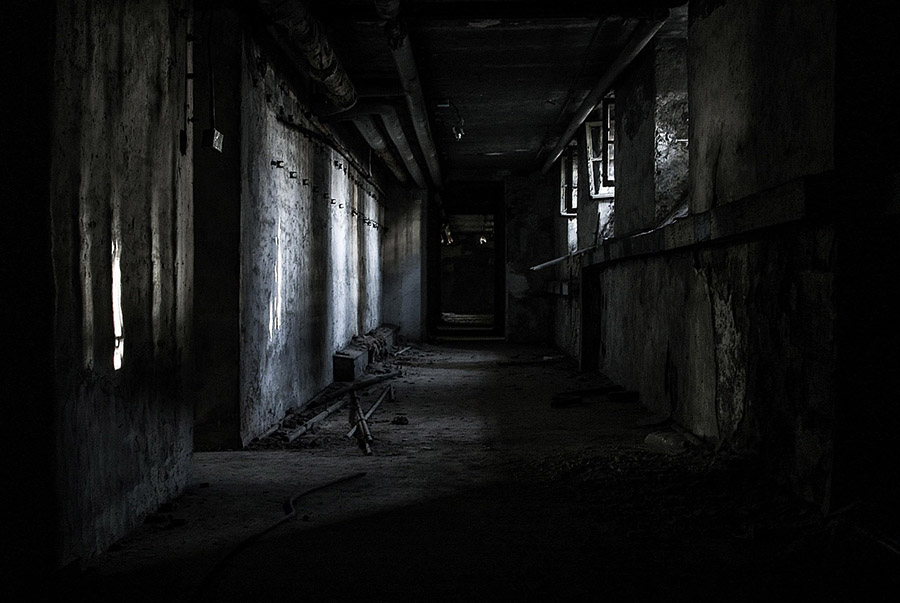
As you plan your next adventure, remember that every darkened corridor and weathered stone holds a story waiting to be discovered—and sometimes, the most profound lessons come from the places we fear most.