As urban areas grow more congested and living spaces shrink, cyclists face a crucial decision: opt for a traditional bike with superior ride quality or embrace the convenience of a folding bike? This choice isn’t merely about preference—it’s about lifestyle compatibility, commuting needs, and storage constraints.
For many Australians, especially those in Sydney, Melbourne, and Brisbane, the appeal of folding bikes has grown significantly. These compact cycles promise to solve storage dilemmas and simplify multi-modal commutes. But the question remains: does their convenience come at too high a cost to your riding experience?
This guide examines the fundamental differences between foldable and standard bicycles, helping you determine whether the potential sacrifice in ride quality justifies the practical benefits that folding bikes offer.
Understanding the Fundamental Differences
The structural differences between folding and standard bikes impact both performance and convenience
Before diving into the ride quality comparison, it’s essential to understand what sets these two bicycle types apart. Standard bikes feature rigid frames designed for stability and performance across various terrains. Their larger wheels (typically 26-29 inches) provide momentum and smoothness over bumps and uneven surfaces.
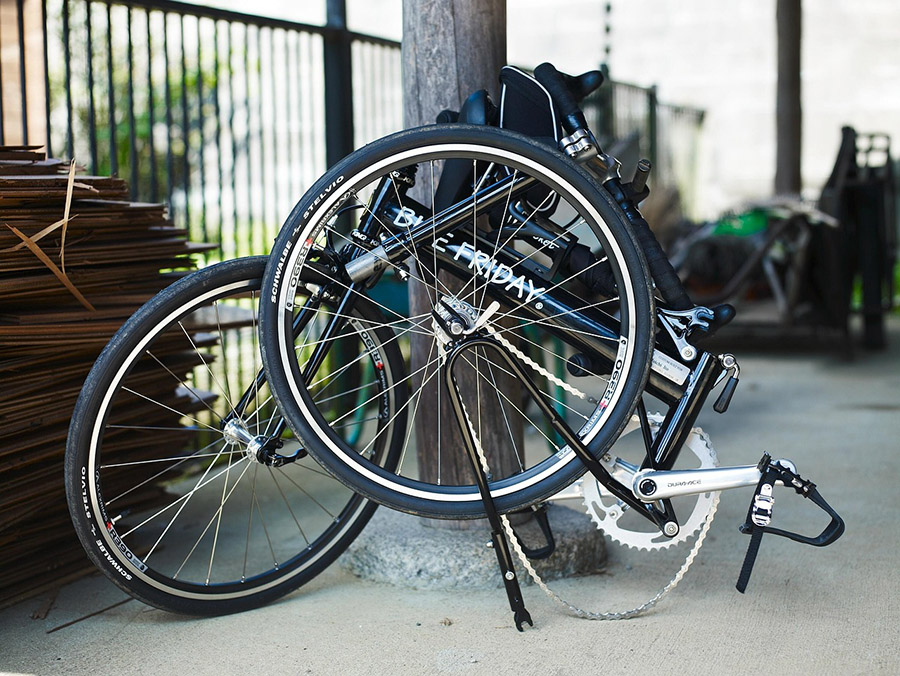
Folding bikes, by contrast, incorporate hinges and collapsible components that allow them to fold into compact packages. Their smaller wheels (usually 16-20 inches) and specialized frames prioritize portability over raw performance. These design differences form the foundation of our comparison.
BikesOnline AU offers both varieties to Australian cyclists, with their range of folding bikes featuring innovative modern designs that minimise the traditional performance gap between compact and full-sized models. These bikes combine portability, practicality, and performance — making them perfect for city riders, commuters, and travellers who value space-saving convenience without compromising ride quality.
However, to make an informed decision, it’s important to understand exactly what you might be gaining — or sacrificing — with each option. Folding bikes offer unmatched flexibility and easy storage, while standard commuter bikes deliver greater stability and efficiency for longer rides.
This Black Friday, explore the latest folding and commuter bike deals from BikesOnline AU and BikesOnline US. Take advantage of exclusive discounts on lightweight, compact designs that make everyday travel easier and more enjoyable.
Shop the BikesOnline Black Friday Bike Sale Fold it, ride it, love it — premium performance and portability await at BikesOnline AU and BikesOnline US.
Ride Quality Deep Dive: What You’re Really Sacrificing
Frame Rigidity and Stability
The most noticeable difference when switching from a standard to a folding bike is frame rigidity. Standard bikes feature uninterrupted frames that distribute force evenly, creating a solid, predictable ride. This continuous structure minimizes flex and maintains stability, especially at higher speeds or when cornering.
Wheel Size Impact
Perhaps the most significant factor affecting ride quality is wheel size. Standard bikes typically feature larger wheels (26-29 inches) that roll more efficiently over obstacles and maintain momentum better. These larger wheels provide greater stability and a smoother ride, especially on rough surfaces.
Geometry and Riding Position
Standard bikes come in various geometries optimized for different riding styles—from aggressive road positions to upright comfort bikes. This variety allows riders to find the perfect fit for their body type and riding preferences.
Standard Bike Ride Quality Advantages
- Superior stability at higher speeds
- Better shock absorption on rough surfaces
- More efficient power transfer
- Optimized geometry for comfort on longer rides
- Greater tyre selection for different conditions
Folding Bike Ride Quality Limitations
- Less stable at higher speeds
- More susceptible to road imperfections
- Potential flex in the frame at folding points
- Limited geometry options
- Smaller wheels require more pedalling effort
Cost Comparison: Investment vs. Value
Beyond ride quality and convenience, cost considerations play a significant role in the decision-making process. Let’s break down the financial aspects of both bike types.
Quality folding mechanisms require precision engineering, contributing to higher costs
Initial Purchase Price
Quality folding bikes typically cost more than comparable standard bikes due to their complex engineering and specialized components. Entry-level folding bikes start around $500, but models with reliable folding mechanisms, durable frames, and quality components usually begin at $800-$1,000.
Standard bikes offer more options at lower price points, with decent entry-level models available from $400. This price difference reflects the additional engineering and specialized parts required for folding functionality.
BikesOnline AU offers both folding and standard bikes across various price points, allowing Australians to find options that balance quality and affordability. Their direct-to-consumer model often provides better value than traditional bike shops, particularly in the mid-range category.
Maintenance Differences: Keeping Your Bike Rolling
Maintenance requirements differ between folding and standard bikes, affecting both convenience and long-term costs.
Folding bikes require additional maintenance of hinges and locking mechanisms
Folding Bike Maintenance Needs
Folding bikes have additional maintenance requirements centered around their folding mechanisms:
- Regular inspection and lubrication of hinges and joints
- Checking and adjusting locking mechanisms for security
- More frequent wheel truing due to smaller wheel size
- Potential for more frequent tyre replacement (smaller wheels wear faster)
- Special attention to frame alignment after prolonged use
Standard Bike Maintenance Needs
Standard bikes have their own maintenance profile:
- Simpler frame inspection (no folding points to check)
- Less frequent wheel maintenance due to larger, more stable wheels
- More common components making repairs and replacements easier
- Greater availability of standard parts at local bike shops
- Typically longer intervals between major service requirements
For both bike types, regular maintenance is essential for safety and longevity. BikesOnline AU provides detailed maintenance guides for their bikes, helping owners keep their cycles in top condition regardless of type.
Making Your Decision: Questions to Ask Yourself
Choosing between a folding and standard bike ultimately comes down to your specific needs and circumstances. Consider these questions to guide your decision:
Consider your specific needs and priorities when choosing between bike types
What’s your primary riding purpose?
If you’re primarily commuting short distances in urban areas, a folding bike may be ideal. For longer recreational rides, fitness training, or varied terrain, a standard bike might better serve your needs.
How important is storage space?
Limited apartment space or office storage strongly favours folding bikes. If you have garage space or dedicated bike storage, this becomes less of a concern.
Do you combine cycling with public transport?
If your commute involves trains, buses, or ferries, a folding bike offers significant advantages and flexibility that standard bikes cannot match.
Conclusion: Finding Your Perfect Balance
The debate between foldable vs standard bikes ultimately comes down to your personal priorities. If convenience, storage, and multi-modal transport flexibility rank highest, the minor sacrifices in ride quality that come with folding bikes may be well worth it. Conversely, if performance, ride feel, and versatility across longer distances matter most, a standard bike remains the superior choice.
Ready to Find Your Ideal Bike?
Whether you’re leaning toward the convenience of a folding bike or the performance of a standard bike, BikesOnline AU has options to suit your needs. Explore their range of quality bicycles designed for Australian conditions and riding styles.
Explore Bike Options Today