For travellers planning meaningful scuba diving in French Polynesia’s remote Pacific waters, there’s often a realisation that doesn’t arrive straight away. It comes later. Sometimes after the first dive. Sometimes only after a few days, once the rhythm slows and expectations loosen.
The islands don’t rush you. The ocean certainly doesn’t. And the most enduring moments tend to surface when nothing is being chased.
French Polynesia rarely presents itself as a diving destination in the loud, competitive way many regions do. The image most people carry is still shaped above water — clear lagoons, pale horizons, a certain stillness that reads as luxury. All of that is real, but it’s only part of the story.
Below the surface, something else unfolds. Something balanced. Restrained. Quietly extraordinary.
Distance, emptiness, and why isolation changes everything underwater
French Polynesia is vast in a way that resists simplification. The islands are scattered across an enormous stretch of the South Pacific, separated by long passages of open ocean. That distance matters.
Isolation limits pressure. Fewer boats move through the same sites each day. Fewer itineraries overlap. There’s less incentive to compress experiences into narrow windows of time. Reefs here aren’t working overtime.
Underwater, the effect is immediate. Sound drops away. Fish hesitate less. Larger animals pass through rather than veer off. Space — both physical and psychological — becomes part of the dive itself.
Once you’ve experienced that sense of openness, it’s difficult to return to places where the ocean feels organised around people rather than allowed to operate on its own terms.
Healthier reefs, but more importantly, balanced ecosystems
It would be easy to explain French Polynesia’s appeal by pointing only to healthy coral. But health alone doesn’t capture what’s going on here.
What stands out more is balance.
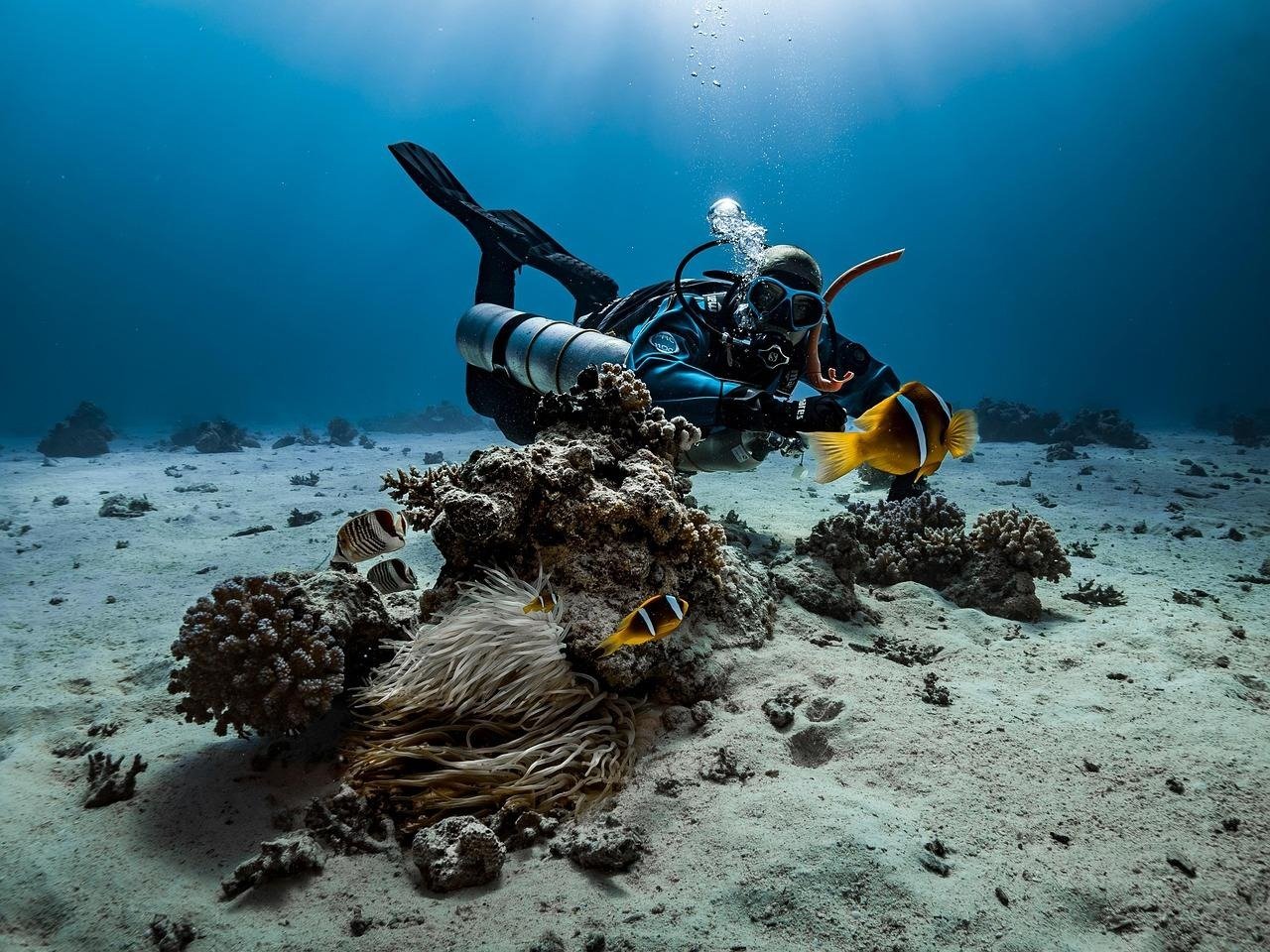
Coral systems feel continuous rather than fragmented. Reef life behaves predictably, calmly. Predator and prey interactions unfold without the skittishness often seen in heavily visited areas. Much of this reflects the kind of ecological stability described in NOAA’s overview of coral reef ecosystems, where resilience is built slowly and maintained through minimal disruption.
For divers, this balance subtly reshapes the experience. You stop searching for highlights and start noticing relationships. The reef isn’t performing. It’s simply functioning.
Pelagic encounters that don’t feel staged
French Polynesia is known for sharks, rays, and other large marine species, yet these encounters rarely feel orchestrated.
Reef sharks cruise past, loop once, and fade back into blue. Mantas arrive when conditions suit them, sometimes lingering, sometimes gone again before expectation forms. Dolphins appear briefly — often unexpectedly — and leave just as quickly.
Research shared by organisations such as the Shark Trust on sharks and ecosystems and the Marine Megafauna Foundation’s work on manta rays often highlights how reduced human pressure allows animals to maintain natural behaviour. French Polynesia feels like a working example of that idea.
The geography helps. Many islands drop quickly into deep water, allowing pelagic life to intersect with reef systems naturally, without forced encounters.
Colder currents, deeper drop-offs, and a different rhythm of scuba diving
Conditions here can surprise people. Water temperatures fluctuate. Currents feel colder, nutrient-rich, purposeful. Depth increases quickly, changing light and texture mid-dive.
This creates a different rhythm of scuba diving. Buoyancy matters more. Positioning matters. You become attentive to the movement of water rather than focused solely on what might appear next.
It isn’t difficult diving, exactly. But it isn’t passive either. And that requirement for engagement stays with you. You don’t drift through experiences here — you participate in them.
Why planning matters more in remote Pacific diving
French Polynesia doesn’t respond well to rigid plans. Flights shift. Conditions change. Wildlife encounters follow seasons and currents, not schedules.
That’s why planning scuba diving experiences in remote Pacific waters benefits from a slower, better-informed approach — one that respects geography and environment rather than trying to override them. Advice from Divers Alert Network Europe on environmental considerations in diving reinforces how water temperature, current, and location shape both safety and enjoyment.
Trying to fit too much in often works against the destination. Staying longer. Choosing fewer islands. Letting conditions guide decisions. These choices consistently lead to better dives here.
Here, patience becomes part of the plan.
Slow travel and the value of staying underwater longer
French Polynesia aligns naturally with slow travel, both above and below the surface.
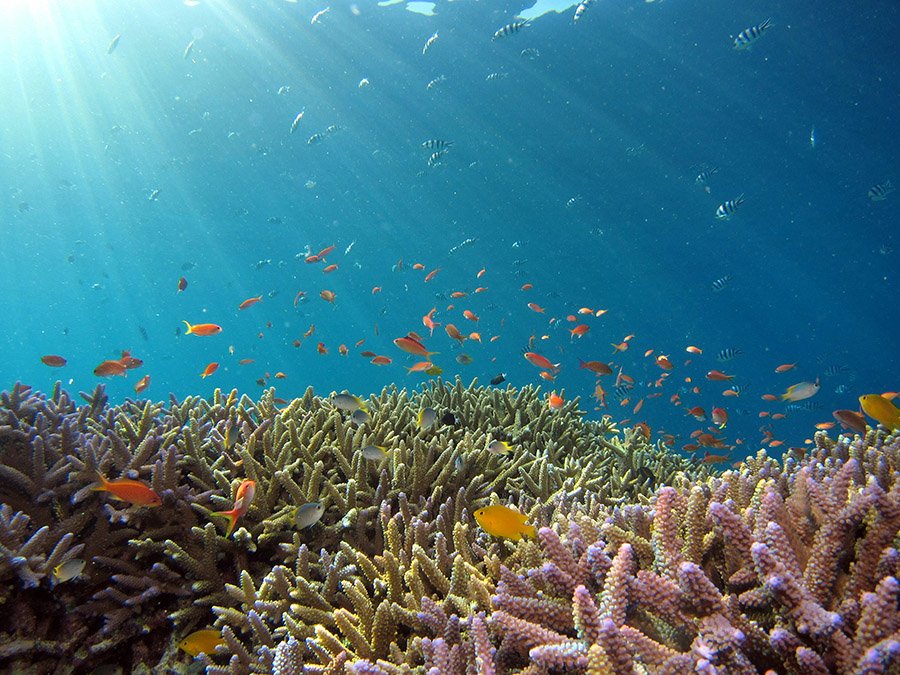
Remaining in one place changes the underwater experience. Sharks become recognisable by markings. Mantas behave differently depending on time and tide. Shifts in light reveal details that were invisible earlier in the week.
There’s something quietly luxurious about that familiarity. Often it’s the later dives — the ones without expectation — that remain most vivid.
Depth comes not from novelty, but from repetition.
This isn’t effortless diving – and that’s exactly the point
French Polynesia asks for time. Distance. Flexibility. It doesn’t drop neatly into short itineraries.
And that effort protects it.
When a destination requires commitment, fewer people rush through. Expectations soften. Divers arrive more open, less demanding. The underwater world reflects that difference.
The ocean here isn’t trying to impress you. It doesn’t need to.
The quiet stays longer than the spectacle
What lingers isn’t a single encounter or moment. It’s a feeling.
Space. Stillness. The sense that the ocean was experienced rather than consumed. French Polynesia doesn’t compete loudly for attention within the diving world. Its strength lies in restraint — and in allowing experiences to unfold without insistence.
If you let it, that quiet follows you home.
Kyle is a travel writer and digital content specialist with a long-standing focus on wildlife travel, underwater exploration, and responsible tourism. He has worked across global travel brands and independent publications, writing with a balance of curiosity and care for the ecosystems behind each experience.
More destination guides and reflective travel stories can be found at The Traveller World Guide. When not researching coastlines or marine habitats, Kyle is usually refining story angles or quietly planning the next dive.