Regaining your mobility after injury, illness, or years of stiffness can feel like a daunting task. Whether you’re recovering from an accident or simply want to move with more ease, there are proven ways to restore your body’s flexibility, strength, and confidence. Here are five key strategies to help you get back to moving freely again—without the guesswork.
1. Stretch Daily to Improve Flexibility and Mobility
Flexibility is often the first thing to diminish when you’ve been injured or inactive. Over time, muscles and connective tissues tighten, limiting your range of motion. A daily stretching routine helps reverse this process by gently lengthening muscles and improving joint function.
Consistency is key—short, targeted stretching sessions can be more effective than sporadic, intense sessions. Focus on major muscle groups like hamstrings, quads, calves, shoulders, and hips. Don’t push into pain; instead, aim for a gentle stretch that you can hold for 20–30 seconds. Over time, you’ll notice less stiffness, improved posture, and more fluid movement.

2. Address the Root Cause of Your Limitations
You can’t fix what you don’t understand. A skilled physical therapist can evaluate your movement patterns, strength imbalances, and posture to pinpoint the underlying cause of your limitations. For example, lingering mobility issues after a collision often require physical therapy after car accident to target the specific tissues and joints affected.
By identifying the cause—not just the symptoms—you can work on restoring movement in a way that reduces the risk of reinjury and improves your overall physical resilience.
3. Build Strength Where You Need It Most
Strength training isn’t just for athletes. Even if your goal is simply to move more comfortably in your daily life, strong muscles are essential. They support your joints, protect your spine, and allow you to perform everyday activities—like lifting groceries or walking up stairs—without strain.
If back pain has been limiting your activity, physical therapy for back pain can integrate strength work into your recovery plan. This type of training focuses on deep core muscles, spinal stabilizers, and other key muscle groups to give your body a solid foundation for movement.
4. Focus on Alignment and Body Mechanics
How you move is just as important as how much you move. Poor body mechanics—like twisting when lifting or slouching during long periods of sitting—can cause small, repeated strains that eventually lead to bigger problems.
Physical therapy emphasizes correct posture, joint alignment, and movement patterns to prevent these micro-injuries. Even small adjustments, like engaging your core before standing or keeping your knees aligned during squats, can make a big difference in long-term comfort and mobility.
5. Follow a Program Designed for Your Needs
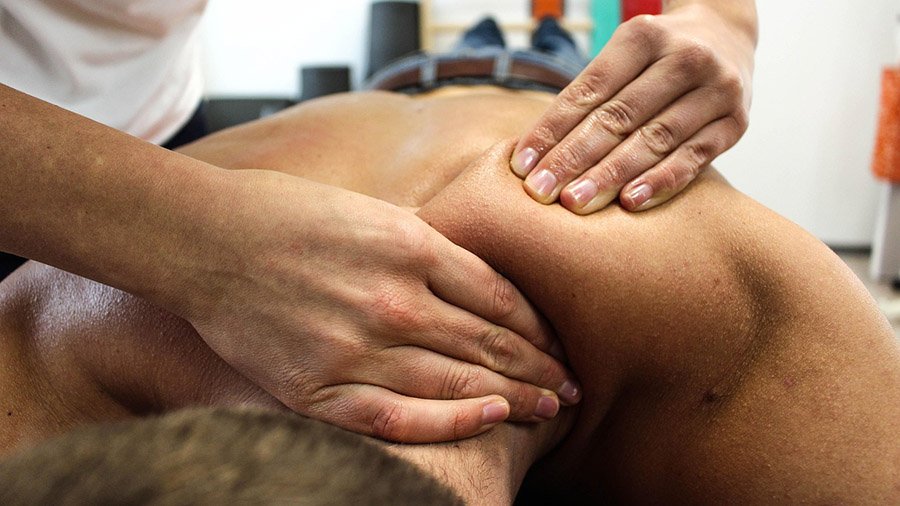
No two bodies recover the same way, which is why a personalized plan can be a game-changer. A custom physical therapy program takes into account your age, fitness level, injury history, and goals to create a path that’s safe, sustainable, and effective.
If spinal curvature or imbalance is affecting your ability to move comfortably, scoliosis pt offers targeted exercises and stretches to improve spinal alignment and reduce pain. The right plan also evolves with you—what you do in week one will adapt as you grow stronger and more flexible.
Bringing It All Together
Regaining your mobility is a journey, but it doesn’t have to be overwhelming. By stretching daily, addressing the root cause of your limitations, building strength, focusing on proper mechanics, and following a personalized program, you can reclaim your freedom of movement.
Mobility isn’t just about physical health—it’s about quality of life. When you can move without pain or restriction, you gain independence, confidence, and the ability to enjoy the activities you love. Whether you’re recovering from an accident, dealing with chronic back pain, or managing a condition like scoliosis, the right approach to physical therapy can put you back in control of your body.