When most people picture Las Vegas, they see the glittering casinos and neon lights of the Strip. But just beyond the city limits lies a completely different world. Red sandstone canyons tower above desert valleys. Alpine forests provide cool shade at higher elevations. Crystal blue lakes reflect the surrounding mountains.
This natural playground draws thousands of adventure seekers every year. But with extreme heat, rugged terrain, and remote locations, these outdoor experiences come with real risks. Understanding how to stay safe while exploring the wilderness around Las Vegas can mean the difference between an unforgettable adventure and a dangerous situation.
The Reality of Desert Wilderness Injuries
The desert environment presents unique challenges that catch many visitors off guard. Unlike more forgiving climates, mistakes in the Nevada wilderness can quickly escalate into serious problems. Summer temperatures regularly exceed 110 degrees Fahrenheit. Dehydration can set in within the first hour of activity. Rocky terrain leads to ankle injuries and falls. Flash floods appear suddenly during monsoon season.
Search and rescue teams respond to distress calls regularly throughout the Las Vegas area. Hikers get lost on unmarked trails. Rock climbers suffer falls on challenging routes. Heat exhaustion strikes unprepared tourists attempting afternoon hikes. These incidents are not rare occurrences.
The good news is that most outdoor injuries are preventable. With proper preparation and awareness, you can safely enjoy everything the region offers.
Red Rock Canyon Adventures
Red Rock Canyon National Conservation Area sits just 25 miles west of the Strip. This stunning landscape features dramatic red sandstone formations that rise thousands of feet above the desert floor. Over 26 trails wind through the park, ranging from easy nature walks to challenging scrambles.
The Calico Tanks Trail offers moderate difficulty with rewarding views. Hikers navigate rocky sections before reaching natural water pockets that fill after rainfall. The trail becomes slippery when wet, and loose rocks create tripping hazards.
For those seeking more intense adventure, the Ice Box Canyon Trail descends into a narrow canyon with seasonal waterfalls. The route requires careful footing over boulders and can become dangerous during thunderstorms when flash floods threaten the area.
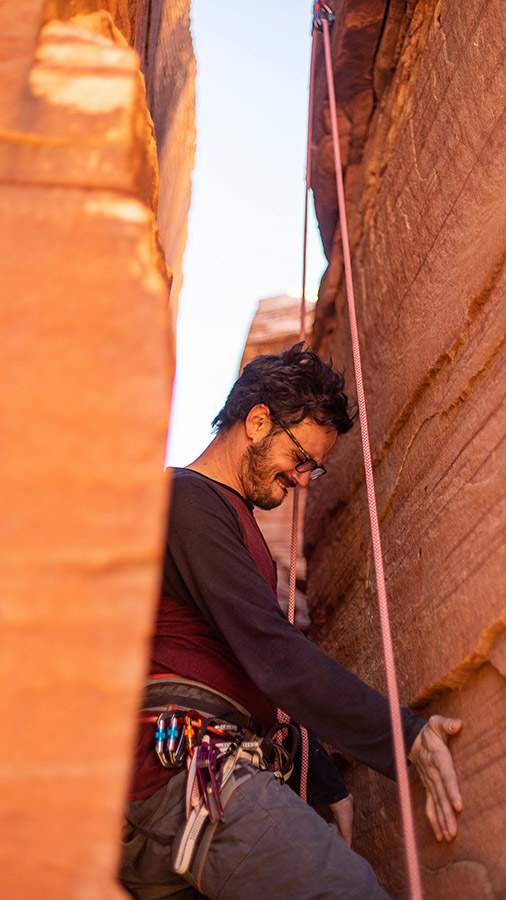
Rock climbing draws enthusiasts from around the world to Red Rock Canyon. Routes range from beginner-friendly to expert-only challenges. Without proper equipment and training, climbing accidents can result in serious injuries or worse.
Mount Charleston Escapes
Rising nearly 12,000 feet above sea level, Mount Charleston provides a dramatic contrast to the desert below. Dense forests of Bristlecone Pine and mountain streams create an alpine environment that feels worlds away from Las Vegas.
Popular trails include Mary Jane Falls, where hikers climb through forested switchbacks to reach a seasonal waterfall. The trail gains significant elevation quickly. Many visitors underestimate the physical demands.
Fletcher Canyon Trail follows a creek through towering canyon walls. This moderate hike becomes more challenging as you gain elevation. The thin air at higher altitudes affects breathing and stamina.
Winter brings skiing and snowboarding to Lee Canyon. While these activities offer thrilling experiences, they also carry inherent risks. Collisions, falls, and equipment malfunctions can lead to broken bones or head injuries.
Lake Mead Water Activities
Lake Mead National Recreation Area sprawls across 750 miles of shoreline. The vast lake offers boating, swimming, kayaking, and stand-up paddleboarding. Water sports provide relief from desert heat but introduce different safety concerns.
Drowning remains a leading cause of recreational deaths at Lake Mead. Many visitors overestimate their swimming abilities or venture too far from shore. Boat accidents occur when operators lack experience or ignore safety protocols.
The Historic Railroad Trail provides a gentler option for exploring the area. This relatively flat path leads through five tunnels carved during the Hoover Dam construction. Even on easier trails, the desert sun poses risks. Without adequate water and sun protection, hikers face heat-related illnesses.
Essential Safety Measures
Preventing injuries starts before you leave home. Research your chosen activity thoroughly. Understand the difficulty level and physical demands. Check weather forecasts and avoid hiking during extreme conditions.
The desert requires more water than you think. Bring at least one liter per hour of activity. Start hydrating the day before your adventure. Dehydration impairs judgment and physical performance.
Never hike alone if possible. Groups of four provide the safest option. If someone gets injured, one person stays with them while two seek help. Cell phone coverage exists on many peaks, but remote areas lack service.
Tell someone your plans. Share your intended route and expected return time. If you encounter trouble, this information helps rescuers locate you quickly.
Proper gear makes a significant difference. Sturdy hiking boots with good traction prevent ankle injuries on rocky terrain. Lightweight, breathable clothing helps regulate body temperature. A wide-brimmed hat and sunglasses protect against intense sun exposure. Apply sunscreen with at least SPF 30 and reapply every few hours.
Pack the ten essentials. Map, compass, water, extra clothing, first aid supplies, pocket knife, cell phone, matches, flashlight, and sunglasses should accompany you on every outing. Add electrolyte supplements to combat mineral loss through sweating.
Recognizing Natural Hazards
The Las Vegas region harbors specific dangers that many visitors overlook. Three species of rattlesnakes live in southern Nevada. These venomous reptiles are most active during spring and fall. Watch where you place your hands and feet, especially near rocks and brush.
Monsoon season runs from late July through mid-September. Afternoon thunderstorms bring lightning strikes and flash floods. Even if clear skies surround you, storms miles away can send water rushing through canyons. Never enter narrow canyons when rain threatens.
Morning and evening hours offer the safest times for summer activities. Afternoon heat becomes dangerous quickly. Know the signs of heat exhaustion. Dizziness, nausea, heavy sweating, and weakness indicate your body is overheating. Move to shade immediately and drink water slowly.
Rock fall presents another serious hazard. Loose stones can tumble from above without warning. If you accidentally dislodge rocks, yell “rock” to warn anyone below. Stay alert in areas with unstable terrain.
When Injuries Happen
Despite your best efforts, accidents can still occur. Twisted ankles represent the most common hiking injury. A fall can result in fractures or head trauma. Know how to respond.
Stop immediately if someone gets hurt. Assess the injury carefully before deciding whether to continue. Minor scrapes and bruises may allow you to finish your hike. More serious injuries require evacuation.
Call 911 if cell service is available. Describe your location as precisely as possible. Use landmarks, GPS coordinates, or trail names. Stay calm and follow dispatcher instructions.
Basic first aid knowledge proves invaluable in the backcountry. Knowing how to treat wounds, stabilize fractures, and recognize serious medical conditions can save lives while waiting for professional help.
If you suffer an injury caused by negligence or unsafe conditions, documenting the incident becomes important. Take photos of the scene and your injuries. Get contact information from witnesses. Save all medical records related to treatment.
Guided Tours and Professional Operators
Many companies offer guided outdoor adventures around Las Vegas. Professional guides bring expertise and safety equipment that reduce risks significantly. They know the terrain, understand weather patterns, and carry emergency supplies.
Kayaking tours at Hoover Dam combine paddling with hot springs visits. Experienced guides lead groups through the area safely. They provide all necessary equipment and instruction.
Off-road vehicle tours navigate rugged desert terrain in specially designed vehicles. These machines include roll cages and safety features that protect passengers. Companies maintain their vehicles properly and train drivers thoroughly.
Helicopter tours offer breathtaking views of the Grand Canyon and other landmarks. While dramatic, these flights maintain strict safety standards and experienced pilots.
When choosing a tour operator, research their safety record. Read reviews from previous customers. Verify they carry proper insurance and follow industry regulations. Legal representation may become necessary if a company’s negligence leads to injury.
Balancing Adventure and Caution
The wilderness surrounding Las Vegas offers incredible opportunities for outdoor exploration. From towering red rocks to alpine meadows to vast desert lakes, these landscapes provide adventures that create lasting memories.
Respecting the environment and understanding the risks allows you to enjoy these experiences safely. Take time to prepare properly. Invest in quality gear. Know your physical limits. Listen to your body and turn back if conditions become dangerous.
The desert teaches humility. Even experienced outdoors enthusiasts can encounter unexpected challenges. Approaching each adventure with both excitement and caution creates the best balance.
Whether you’re hiking through narrow canyons, paddling across mountain lakes, or skiing down snowy slopes, these activities carry inherent risks. Smart preparation minimizes those dangers without eliminating the thrill of exploration.
Las Vegas outdoor adventures are safe when you treat them with appropriate respect and preparation. The wild places beyond the city lights reward those who venture into them responsibly. Pack plenty of water, start early to avoid extreme heat, and never underestimate the power of the desert environment.
Your next adventure awaits in the mountains and canyons surrounding Las Vegas. With the right knowledge and preparation, you can explore this remarkable landscape safely and return home with stories worth sharing.