Assessing villas for portfolio use comes down to understanding how a property behaves over time, not just how it looks at first viewing. Many buyers who plan to buy luxury villa in Phuket quickly realise that long-term value depends on rental patterns, upkeep realities, and how well the asset fits broader financial goals.
With that in mind, the sections below walk through practical ways to look at villas with a clearer, investment-focused lens before any commitment is made.
Check Location-Based Demand Drivers
Look for signs of everyday activity in the area that continue outside peak travel periods. For example, when investing in vacation properties, pay attention to whether cafés open on weekday mornings, gyms stay active after school hours, and local services operate without relying on tourists.
Villas close to lived-in residential pockets often experience steadier booking patterns. Price movement in these areas often feels calmer across the year. Places that make day-to-day living feel easy often end up hosting guests who linger, come back on later trips, and use the villa like a real place to live rather than somewhere they pass through for a quick break.
Review Rental-Yield Track Records
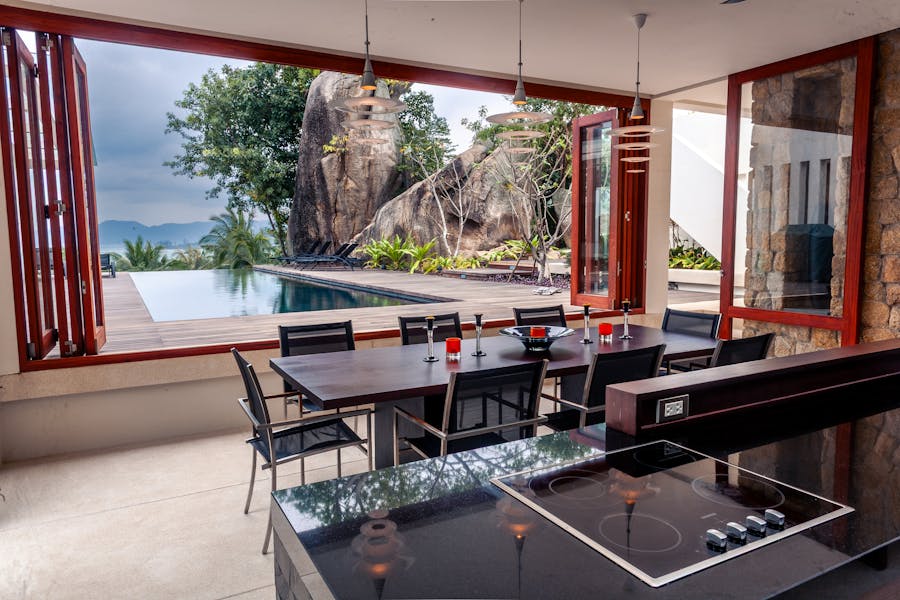
Spend time reading through the booking calendar and get a feel for how the villa was actually used over time, noticing whether bookings felt steady or patchy as the year unfolded and whether pricing needed constant adjustment to keep interest coming in. Pay attention to how the villa performs during slower months, how long guests typically stay, and when rates need to be adjusted to secure bookings.
Experience tied to real estate investment in Bangkok often points to a simple pattern, i.e., properties that keep ticking along without dramatic highs or lows tend to feel less demanding to hold as the years pass. You might see fewer last-minute cancellations where pricing stays realistic. That kind of pattern usually supports smoother cash flow, which becomes more valuable than headline yields once the portfolio grows.
Compare Villa Layout and Space Efficiency
Judge the layout by how naturally the space supports day-to-day use once people settle in. When buying a luxury villa, walk through the rooms with real stays in mind rather than floor plans. Notice whether private areas feel comfortably separated without feeling cut off and whether shared spaces invite use at different times of day.
Some villas look impressive but feel awkward once doors start opening and bags get unpacked. Layouts that feel easy to live in tend to suit families and small groups, which quietly strengthens both rental demand and future resale interest.
Assess Build Quality and Maintenance Standards
Look closely at how the villa is put together and how those choices will behave over time once the property is in regular use. With many Phuket luxury villas, finishes can look flawless at first glance but react differently after months of heat, moisture, and coastal air. Pay attention to how spaces feel during humid weather and how easily surfaces show wear.
Properties finished with materials that cope well with daily use and tropical conditions tend to demand less attention over time, which can make ownership feel more manageable and reduce how often repairs interfere with bookings or cash flow.
Examine Property Management and Letting Structures
Assess whether day-to-day operations are designed to run smoothly without constant owner involvement. Review how cleaning schedules, guest communication, pricing updates, and minor repairs are handled. You may notice some systems look organised on paper but feel reactive in practice.
Reliable management structures usually show consistency during quieter months. That operational stability allows income to continue flowing while attention stays on broader investment planning rather than daily problem-solving.

Verify Ownership Structure and Legal Security
Before thinking about returns, take time to understand who actually owns what and how that ownership works in practice. Look at the land papers, the names involved, and any agreements linked to control or transfer, because some setups seem clear in conversation but feel different once real paperwork is involved.
You might experience delays later if details are unclear at purchase stage. Clean legal frameworks often simplify refinancing, resale, and portfolio restructuring, which become increasingly relevant as holdings expand or market conditions shift.
Analyse Exit Liquidity and Resale Appeal
Watch what actually happens when similar villas go back on the market. Some sit there quietly. Others get calls within weeks. Pay attention to how long listings hang around and where buyers seem willing to engage.
Villas with recognisable layouts often feel easier for people to say yes to. It gives you more room to move later, because selling does not feel like a drawn-out waiting game when circumstances change and money needs to be released sooner rather than later.
Align Asset Risk with Portfolio Strategy
Decide how the villa behaves next to the properties you already hold. Don’t judge it on its own. Look at how uneven the income feels across the year, how the purchase is financed, and how exposed it is to seasonal slowdowns.
Some assets feel stable, others swing more. Mixing those traits can make the overall portfolio easier to live with. When a villa clearly plays a specific role, decisions tend to feel less reactive, especially when sentiment changes or access to cash suddenly matters.
Want your search for high-end villas in Phuket quick and convenient? Check out the luxury properties for sale in Thailand curated by Sunway Estates today!