Time outdoors feels rewarding, but it also tests preparation. The weather can shift fast. Trails can change without warning. Simple tasks become harder when the right gear is missing. Many outdoor trips fall short not because of distance or terrain, but because small tools fail at the wrong moment. A loose strap, a dull blade, a dead light, or an empty bottle can turn comfort into stress.
Preparation is not about carrying everything. It is about carrying the right things that work when needed. A dependable setup supports safety, efficiency, and peace of mind across different conditions.
This guide breaks down the core pieces that matter most. Each section focuses on practical gear choices that remain useful for both short trips and longer stays. By understanding these basics, outdoor enthusiasts can prepare with confidence and avoid common mistakes that disrupt otherwise enjoyable experiences.
Start With the Right Cutting Tools
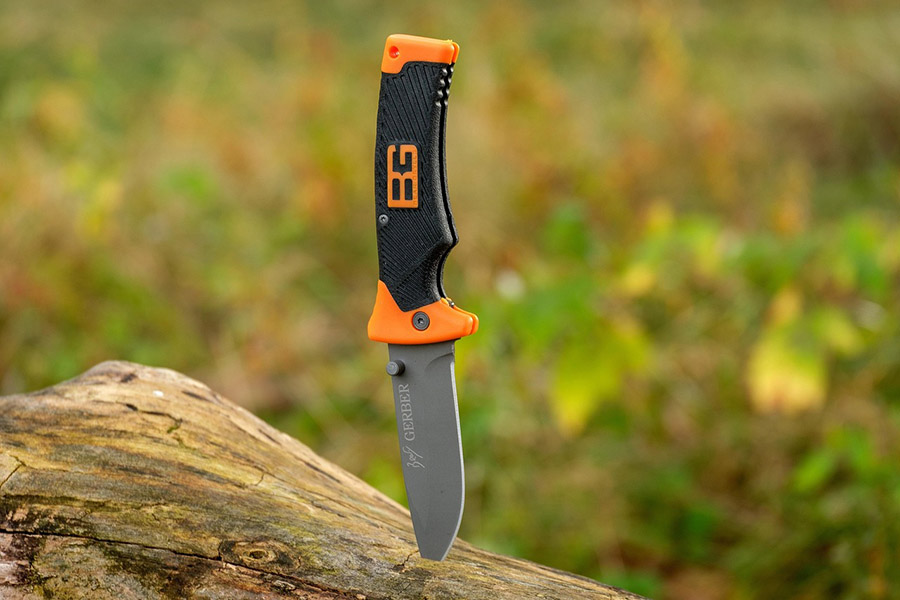
A dependable cutting tool belongs in every outdoor setup because it supports many daily tasks. Food preparation becomes easier. Rope, cord, and packaging can be handled safely. Small repairs feel manageable instead of frustrating. A weak blade dulls quickly and forces risky pressure during use. That increases injury risk when help is far away. Balance, grip, and edge retention matter more than size. A well-made blade offers control and consistency across repeated use.
For example, many outdoor users carry Kershaw Knives because a solid blade helps handle repeated trail tasks without adding unnecessary weight. These knives are commonly sourced through suppliers like PVK, which focus on making dependable outdoor gear accessible to hikers and campers who value reliability. A dependable knife supports quick fixes, clean cuts, and safer handling when conditions change. It can trim cordage, prepare meals, or help adjust gear on the move.
Knowing where you are matters as much as knowing where you want to go. Trails can split or fade without warning. The weather can reduce visibility quickly. Navigation tools help prevent confusion and wasted energy. A physical map offers reliability without batteries. A compass provides direction when electronics fail. Digital navigation adds convenience when paired with offline access. Each option serves a different role, and carrying backups reduces risk.
Communication tools also deserve attention. A whistle carries sound farther than a voice. A signal mirror helps during daylight emergencies. A fully charged phone with backup power improves safety during long outings. Planning matters too. Sharing routes with someone at home creates accountability. Clear navigation and communication reduce stress and support better decisions. When orientation feels secure, attention stays focused on surroundings instead of worrying about direction or contact.
Fire, Light, and First Aid Fundamentals
Fire and light support safety after sunset or during poor conditions. A reliable light source helps navigate campsites and manage tasks without strain. Headlamps keep hands free for cooking or repairs. Spare batteries prevent sudden darkness. Fire starters support warmth, food preparation, and morale. Carrying more than one ignition option reduces risk when the weather interferes.
First aid deserves equal care. Small injuries feel bigger when ignored. A basic first aid kit supports wound cleaning, blister care, and pain management. Knowledge matters as much as supplies. Understanding how to treat cuts or strains builds confidence. Fire, light, and first aid work together during stressful moments. When these essentials function properly, small problems stay small. Preparedness here supports calm responses instead of rushed decisions when conditions become challenging.

Shelter and Weather Protection
Exposure affects comfort and safety faster than many expect. Wind, rain, or cold can drain energy and morale. Shelter provides protection from these elements and supports rest. Tents, tarps, or bivy sacks offer different levels of coverage. The right choice depends on trip length and environment. Even a minimal shelter can block wind and preserve warmth when placed correctly.
Clothing also acts as shelter. Layering allows adjustment as conditions change. Waterproof outer layers protect against sudden storms. Insulation preserves heat during cooler nights. Small repair items matter too. Cordage, patches, or tape help fix tears before they worsen. Weather protection reduces fatigue and supports recovery after long days. When rest improves, decision-making stays sharp and energy lasts longer throughout the trip.
Conclusion
A dependable outdoor setup supports confidence, comfort, and safety. Cutting tools handle daily tasks with control. Navigation tools reduce confusion and wasted effort. Fire, light, and first aid prepare users for unexpected moments. Shelter and weather protection preserve energy and rest. Water and food planning sustain performance across changing conditions.
Each element works best when chosen with intention rather than impulse. Preparation does not require excess gear. It requires thoughtful selection and familiarity. With the right tools in place, outdoor experiences stay enjoyable and focused on exploration instead of problem solving.