For travellers in the United States, a GPS tracker can transform a wandering journey into a trip with greater peace of mind and clarity. Whether you’re backpacking, road-tripping, skiing in remote terrain or simply wanting to keep tabs on important gear, selecting the right “travel tracking device” matters.
In this guide you’ll discover how a travel GPS tracker works, what features to prioritise (especially in real-time location tracking, battery life, portability and satellite connectivity), and how different options stack up.
What is a GPS Tracker?
A travel GPS tracker is a compact, portable GPS tracker that locates your position (and sometimes the position of your belongings) and relays that information to you or someone you trust—usually via an app or web dashboard.
Unlike standard smartphone mapping apps, dedicated trackers often rely on satellite connectivity or cellular fallback, offer extended battery life and endure harsher conditions. Dedicated tracking devices provide real-time updates of location and movement in ways that typical phones may not.
Why Travellers Choose One
Here are key reasons a traveller might carry such a device:
- Real-time location tracking of luggage, gear or vehicle where phones might lose signal or battery
- Greater durability, water resistance or ruggedness for outdoor adventures.
- Longer battery life than a smartphone, especially when update intervals are low.
- Satellite connectivity or fallback options when cellular coverage is weak (important for remote regions).

Key Features to Compare
Before buying, U.S. travellers should weigh these critical variables:
1. Real-Time Location Tracking & Connectivity
How frequently does the device report location? Does it rely on GPS alone, or also on satellites (like GLONASS, Galileo) or cellular networks? Higher update frequency gives finer detail but drains battery faster. Modern guides emphasise that update frequency and network type make a “real-time” tracker truly reliable.
2. Battery Life
Battery life typically determines how long the device can go between recharges. For travel use, longer is better. Recent reviews show a wide spread: some devices last days, others last weeks or months, but trade-offs exist.
3. Portable Form Factor & Durability
Size, weight and durability matter. A portable GPS device that fits in your backpack, attaches discreetly to luggage or mounts on a vehicle works better on the road. If you plan to use it outdoors, look for water resistance or rugged casing.
4. Satellite Connectivity / Global Coverage
If your travels include areas with poor cell service, backcountry trails, remote roads, you’ll want a tracker that supports satellite connectivity or multi-network support. This makes a difference when out of conventional coverage zones.
5. Subscription & Cost Structure
Many tracking devices require ongoing service (cellular data, satellite access). For travellers, balancing up-front device cost plus recurring fees is part of the decision. Ensure you understand any fine print.
Soft Comparison: Which Type Suits You?
Here’s how to compare typical categories of travel GPS tracker options, with a focus on smaller scale traveller usage.
- Basic Portable Real-Time Tracker: Light weight, minimal features, good for luggage or day trips. Advantages: low cost, easy to pack. Trade-off: shorter battery life, fewer advanced features.
- Adventure / Remote Travel Tracker with Satellite Connectivity: Supports satellite network, rugged build, designed for remote areas. Advantages: global reach, durability. Trade-off: higher cost, larger size, possibly more complex.
- Hybrid Device (phone + tracker combo): Uses your smartphone along with a small tracker for critical assets. Advantages: minimal extra gear. Trade-off: less reliable in remote zones, phone battery still a limiting factor.
As you compare, a key is to match your travel style (city-hopping vs off-grid) with device capabilities. A basic tracker might suffice for urban travel; off-grid trekking leans toward satellite-capable models.
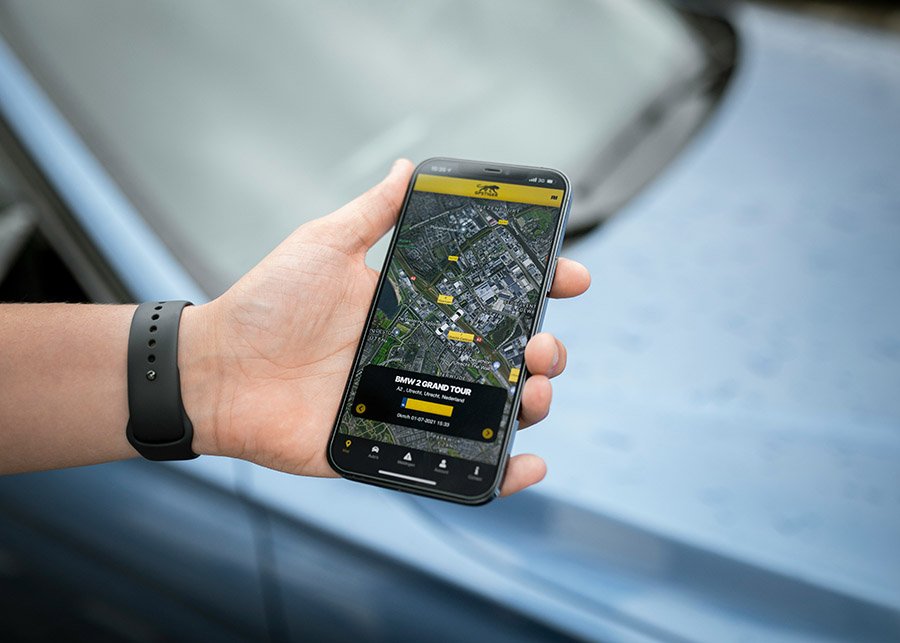
How to Select and Use It On the Road
Here are practical steps for travellers:
- Define your core use: preserving luggage, tracking rental vehicles, hiking off-grid, etc.
- Check battery specs under realistic conditions: frequent updates, cold weather, motion sensors all affect performance. For example: trackers with large batteries and optimized update intervals can last weeks
- Evaluate update interval vs power: update every minute gives near-live tracking but drains power; update every hour extends battery but reduces real-time responsiveness.
- Ensure the device works within the U.S. (and any international zones you’ll visit). Especially confirm satellite or fallback coverage.
- Pack charging and power back-up: portable USB chargers, solar panels (if remote) help maintain tracker function.
- Set up alerts: geofence boundaries, low battery alerts, movement notifications enhance utility. Good guides emphasise alert features.
Example Scenarios
- City Stay & Luggage Tracking: You stay in multiple urban hotels, switch baggage a few times. A compact tracker in your luggage provides location updates at intervals (e.g., every 5 minutes) and alerts if it leaves the hotel area.
- Road Trip Across U.S.: You rent an RV, head across national parks, and some mobile coverage gaps. A tracker with satellite connectivity and durable build ensures you know where the vehicle is even when the phone signal vanishes.
- Backcountry Hiking: Remote trail, limited cell service, multi-day hike. A tracker that supports two-way satellite messaging, SOS alert and extended battery life becomes a key safety tool.
Why It Matters Now
In 2025, travel-gear expectations have shifted. Real-time location tracking isn’t just for fleets—it’s increasingly relevant for personal travel, rental vehicles, shared gear and remote adventures. GPS tracker usage across travel and assets has grown.
For U.S. travellers who care about safety and connectivity, investing in the right travel tracking device gives extra confidence and flexibility.
Final Thoughts
Choosing the right travel GPS tracker means aligning your travel style, budget and technical needs. Whether you’re urban-cruising or off-grid exploring, prioritise real-time location tracking, battery life, portability and satellite connectivity.
Compared to relying solely on your smartphone, a dedicated tracker offers enhanced resilience and peace of mind. The soft comparison above helps you see how basic, hybrid and advanced devices compare. Make your choice and travel with one less worry.