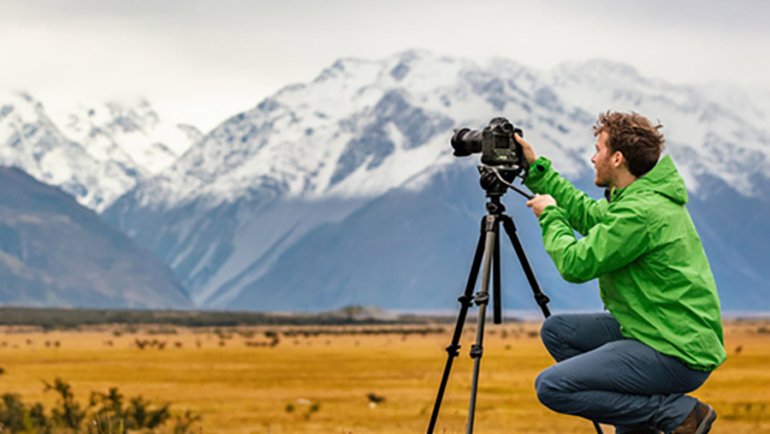
Capturing striking wildlife close‑ups—whether it’s the hooked anaconda teeth or the precise cheetah bite force—blends fascination for nature with technical skill, ethical awareness, and storytelling intuition. This guide dives deep into gear, camera settings, safety protocols, editing, and professional context—plus how photographers can elevate their career presence using tailored resume frameworks.
Understanding the Power: Cheetah Bite Force and Anaconda Anatomy
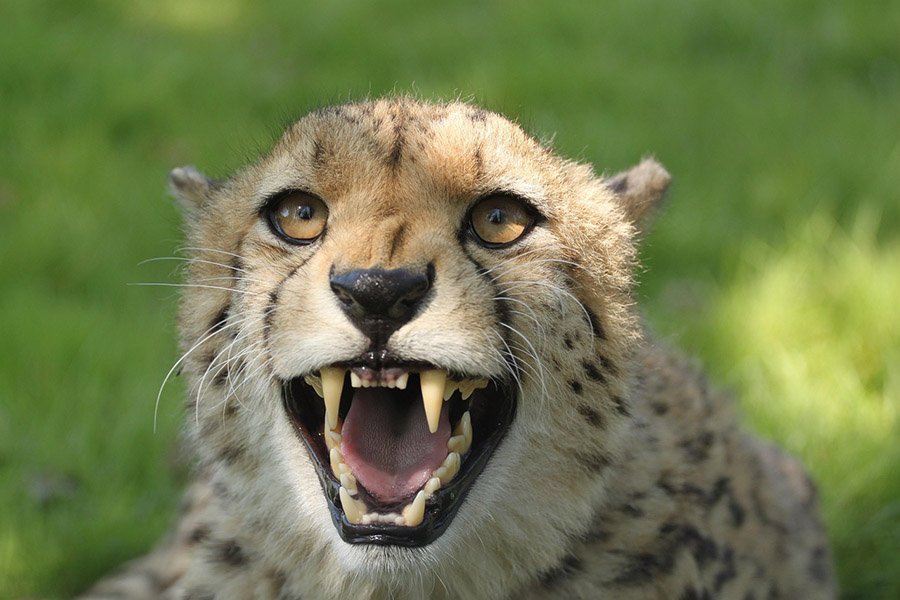
- Cheetahs have a bite force of around 475 psi (some sources estimate up to ~500 psi) —strong enough to grip prey, but much less than lions or tigers. Their canines are smaller, adapted for suffocation rather than crushing bone.
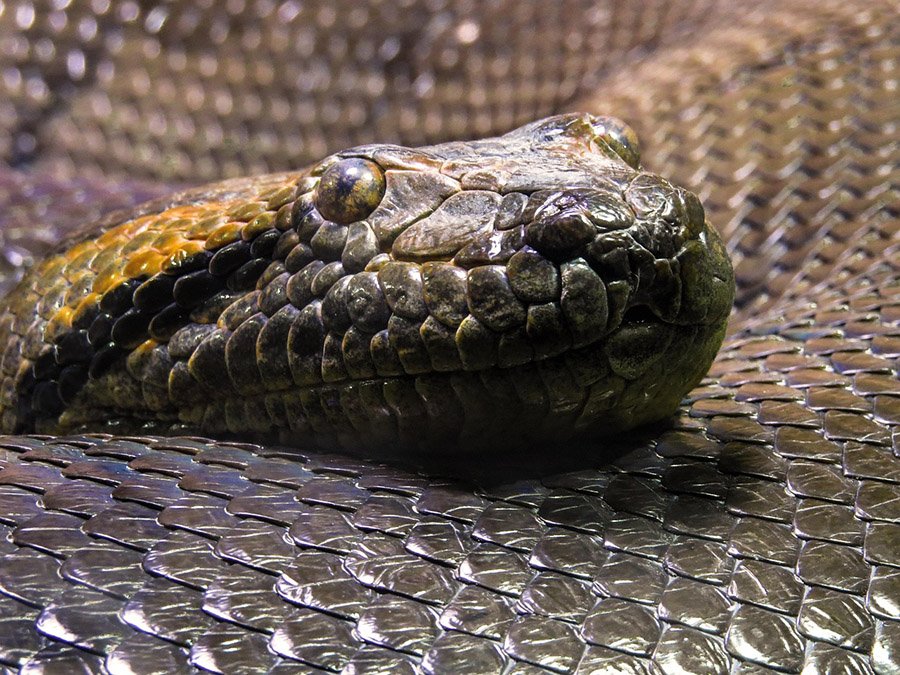
- Green anacondas possess sets of backward‑curving teeth and muscular jaws designed to subdue large prey via constriction. Photographing these details requires capturing the curvature and translucent texture of the fangs.
Understanding these differences ensures you capture the right mood—stealth and speed for cheetahs, raw power and tension for snakes.
Gear Essentials for High‑Impact Close‑Ups
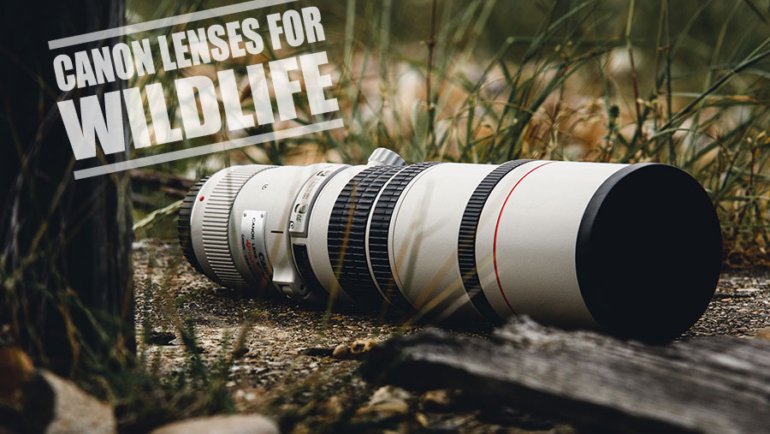
1. Long Telephoto Lenses (200–400 mm or more)
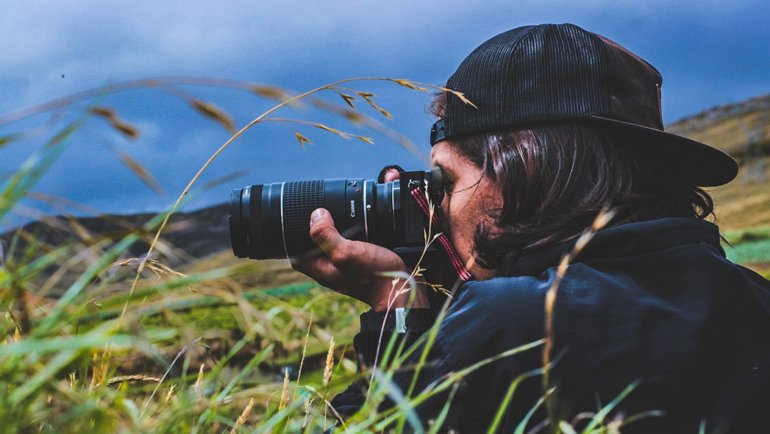
- Ideal for wild big cats like cheetahs and observed snake behavior. You can frame detailed jaw action from a safe distance.
2. Macro Extension Tubes or Lenses
- Best suited to controlled environments (zoos, sanctuaries) to capture close details of snake fangs or incisor structure—never use these tools in uncontrolled wild settings.
3. Tripod or Monopod Stabilization
- Helps reduce motion blur and target focus during burst shooting, especially in vehicles or shady forest locations.
4. Diffusers or Soft Flash
- When light is limited in reptile enclosures or shaded habitats, diffused flash can help illuminate fangs without startling the subject.
Capture Settings: Fast, Sharp, and Focused
Shutter Speed & Focus
- Use 1/1000 s minimum, ideally 1/2500 s, to freeze movement—especially important if a cheetah is mid-chase or jaws are opening.
- Employ continuous (AI Servo or AF‑C) autofocus focusing on the eyes first, then the mouth—allowing precise control during fast motion.
Aperture & ISO
- Aperture: f/4 to f/8 for depth-of-field control while isolating the subject.
- ISO: Keep between 400–800, but be prepared to go higher in low-light scenes and rely on post‑processing for noise control.
Composition
- Frame mouth or jaw off‑center with negative space to imply action or tension.
- Use three‑quarter profiles or angled shots rather than straight‑on to capture depth in fang structure.
These settings support clear skin texture, tooth lines, and impactful surface contrast.
Safety and Respect: The Photographer’s First Priority
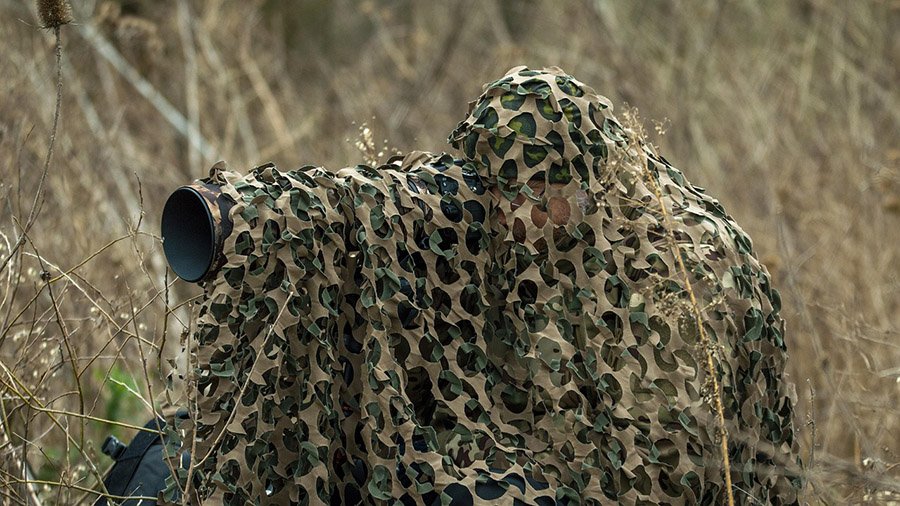
- Always observe wild predators and snakes from a safe, recommended distance—never approach or provoke for the shot.
- Follow trusted guides and stay within vehicles or trails, especially in habitats like savannahs or jungles.
- Research species behavior: cheetahs are shy and non-aggressive toward vehicles, but snakes may strike if cornered or threatened.
Never compromise habitat integrity or animal welfare for a photo.
Workflow for Photographing Cheetah Jaws
- Identify timing: Ideal shots happen just after a sprint, during yawns, snarls, or feeding moments.
- Use continuous burst mode: Capture several frames to increase chances of getting the mouth wide open in focus.
- Focus on expressions: Eyes downcast, ears flattened, teeth bared, muzzle tightened.
- Frame tightly (but safely): Mouth width or half a face with negative space, emphasizing detail over environment.
Workflow for Photographing Anaconda Fangs
- Seek controlled encounters (e.g. with wildlife rehabilitators or accredited facilities).
- Approach with macro gear at safe distances—your goal is detail, not dramatized aggression.
- Capture shots at 45°, profile, and frontal into open jaws to showcase fang curvature, translucency, sheath, and jaw articulation.
- Use natural or diffused light to highlight surface shine on scales and translucent tooth tissue.
Editing Techniques: Emphasize Drama and Detail
- Boost contrast near the mouth to make teeth stand out.
- Apply selective sharpening along jaw lines and fang surfaces.
- Desaturate or darken backgrounds to guide viewer attention toward the subject.
- Tight cropping during bite sequences enhances emotional focus.
These post‑production touches accentuate the toothy drama while preserving realism.
Photographer Career Angle: Resumes and Storytelling
If you’re a wildlife photographer or visual creative, showcasing your field experience with precision—both visually and professionally—can elevate your profile.
- Create a handcrafted photographer resume, optimized for creative professionals. Include portfolio highlights, technical skills (e.g. macro, fast-shutter wildlife), and project results.
- Use a structured STAR method resume framework to translate impactful experiences (like capturing a rare anaconda strike or documenting cheetah hunts) into quantifiable, behavioral narratives. This helps employers value storytelling via photography.
Here’s how they can be integrated:
While you’re mastering dramatic wildlife closes-ups, ensure you present that same precision in your professional branding. A tailored photographer resume showcases your visual storytelling skills. Meanwhile, the STAR method resume framework turns field accomplishments—like the frame-by-frame freeze of a cheetah jaw snap—into compelling bullet points highlighting results and initiative.
Field Tips Per Subject: At‑a‑Glance
| Subject | Safe Distance | Gear Setup | Key Settings | Tip Highlights |
| Cheetah Bite | ≥20–50 ft (from vehicle) | 200–400 mm telephoto | ≥1/1000 s, f/4–8, ISO 400–800 | Focus eyes, burst mode, rule-of-thirds framing |
| Anaconda Teeth | Controlled setup, 5–10 ft | Telephoto + Macro tube | 1/500–1/1000 s, f/5.6–11 | Multiple angles, diffused lighting, contextual shot pairing |
Ethical Considerations: Beauty Meets Responsibility
- Never use baiting, flash, or sounds to provoke a reaction for photos.
- Do not enter restricted areas or disrupt animal routines.
- Ensure your presence doesn’t stress animals or degrade habitat.
Photographic integrity relies on compassion and responsible observation.
Conclusion: Aligning Story, Skill, and Career
Photographing wildlife close-ups like cheetah bites or anaconda teeth demands more than technical focus—it requires empathy, ethical navigation, and layered storytelling. Each shot reflects not just the biology of the animal, but the mindset of the photographer: patient, prepared, respectful.
These same principles carry over into professional optics through a polished photographer resume and thoughtful STAR method resume structure—tools that allow visual storytellers to bring field work into a professional profile with clarity and credibility.
Would you like help formatting this for blog layout with image suggestions, call-out boxes for equipment or resume anchor links, or extended species suggestions like jaguars or vipers?