Slow travel is about changing your pace to actually see where you are. Instead of rushing through a checklist of landmarks, you stay in one spot long enough to understand the local rhythm. Choosing an oceanfront resort as your base makes this easier because the primary attraction, the sea, is right outside your door.
You can stop worrying about transportation and focus on the environment. This approach turns a standard trip into a deeper experience where you prioritize quality time over the quantity of sights visited.
Choosing the Right Home Base
Finding a location that supports a long-term stay is the first step. You need a place that feels like a home rather than just a room. When you look for a North Carolina beach resort or a similar coastal escape, check if the property offers suites with kitchens.
Having the ability to cook your own meals occasionally helps you settle into a routine. It also allows you to visit local farmers’ markets or fish docks to find fresh ingredients. This connection to local food sources is a hallmark of slow travel. Look for a spot that puts you close enough to a town to walk or bike, reducing your reliance on cars.
Maximizing On-Site Living
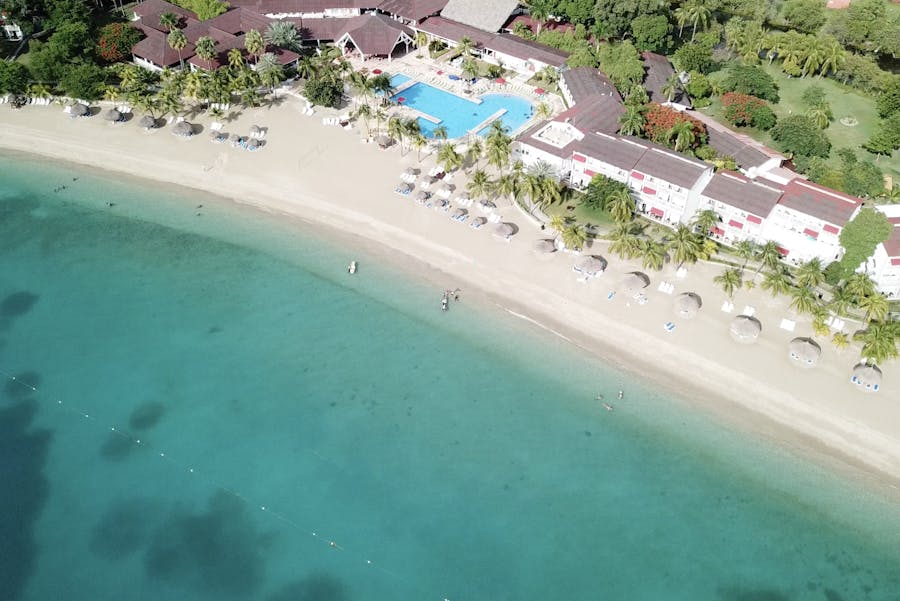
Once you arrive, take a day to explore the property grounds. Many resorts offer specific amenities designed to keep you engaged without needing to leave the premises. You might find lawn games on the grass or fire pits where guests gather in the evening.
If you want to keep your routine steady, check for a fitness center so you can exercise without searching for a local gym. For those traveling with pets, booking dog-friendly rooms ensures you don’t have to cut the trip short or worry about a kennel back home. These details make a long-term stay more sustainable and comfortable.
Engaging with the Environment
Slow travel encourages you to participate in activities that connect you to the nature around you. Many oceanfront locations host beach yoga classes at sunrise, which is a great way to start a quiet day. You can also spend hours on ocean view balconies watching the tide change or looking for dolphins. These moments of stillness are often more memorable than a busy tour. If the weather doesn’t cooperate for a beach day, a heated pool provides a reliable way to relax. The goal is to let the natural surroundings dictate your schedule rather than a strict itinerary.
Organizing Your Meals and Social Life
Even when you travel slowly, you should explore the local food scene. Rather than hitting every tourist trap, look for signature restaurants that locals recommend. Check the resort for dining options that utilize regional produce. If you are traveling with a larger group for a special occasion, some places offer hospitality suites or beachside spaces that allow for private gatherings. This setup gives you a sense of community without the rush of a crowded public venue. Staying longer also gives you time to look for special offers on extended stays or mid-week dining discounts.
Appreciating the Space
The design of your surroundings impacts how well you can relax. Contemporary guest rooms with enough space to unpack completely will help you feel less like a transient visitor. When you aren’t living out of a suitcase, you tend to feel more grounded. Use the desk or seating area to journal about your observations or plan your next day’s walk. By treating the resort as a temporary residence, you shift your mindset from ‘vacationing’ to simply ‘living’ in a new, beautiful place.
To make the most of this environment, try ‘zoning’ your living area. Even in a studio layout, you can mentally and physically separate your activities to avoid feeling cluttered. Designate the balcony or the most comfortable chair solely for reading and reflection, while keeping your travel documents, maps, and laptop at the desk or a separate table.
By creating a specific ‘planning station,’ you prevent your logistics from bleeding into your relaxation time. This organization keeps your mind clear and ensures that when you sit down to watch the waves, you aren’t staring at a pile of brochures or a ‘to-do’ list.
Conclusion
Planning a slow-travel stay requires a shift in perspective. It asks you to trade a packed schedule for a deeper connection to a single location. By selecting a resort that offers the right balance of comfort and activity, you create space for genuine relaxation. You return home feeling refreshed because you actually took the time to experience your destination. Focus on the small details, enjoy the coastal views, and let the clock take a backseat to the waves.