Moving across state lines can be both exciting and overwhelming. Whether the relocation is for a new job, an educational opportunity, or simply a fresh start, the process involves many moving parts.
Careful planning and safe practices are crucial to ensuring the journey goes smoothly. This guide will provide clear, actionable advice for anyone planning to move from one state to another, with an emphasis on safety, efficiency, and stress reduction.
Preparing for the Journey
A successful move begins long before the first box is packed. Planning ahead is the foundation for a safe and organized transition. Start by creating a detailed checklist that covers every stage of the move, from sorting possessions to updating important documents.
A good preparation phase should include:
- Researching moving companies or transportation options
- Scheduling the move during a favorable season or week
- Budgeting for expected and unexpected expenses
- Confirming insurance coverage for items in transit
Allocating enough time for preparation helps reduce last-minute stress. People who rush through this stage often face higher risks of misplaced items, damaged property, or even physical injury due to hurried lifting and loading.
Choosing the Right Transportation
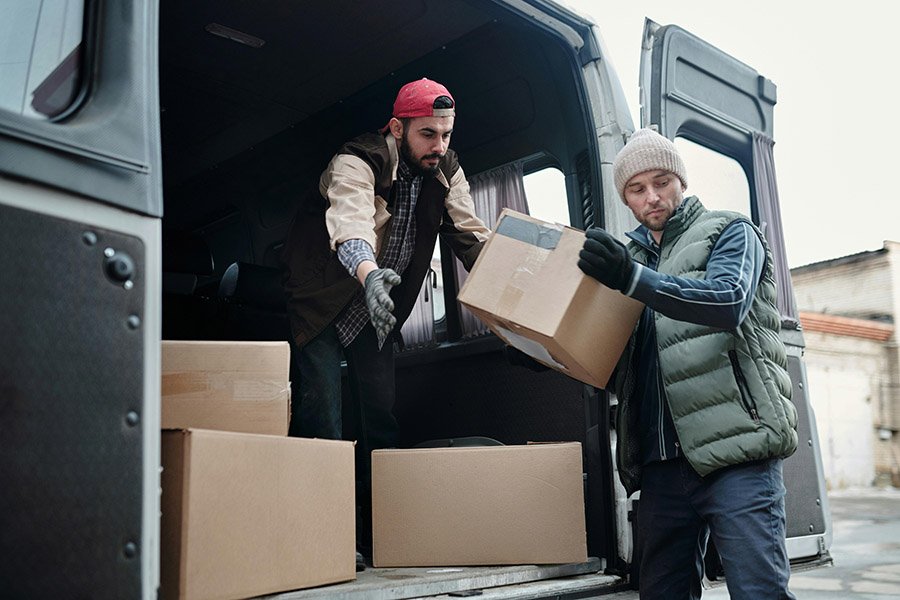
Selecting the right method to transport belongings is one of the most important decisions in the moving process. Some people prefer to rent trucks and handle the move personally, while others rely on professional moving companies. Each option comes with pros and cons.
- Self-move: This allows for complete control over packing and scheduling, though it can be physically demanding.
- Professional movers: They provide convenience, experience, and often better equipment, but come at a higher cost.
- Hybrid approach: Some individuals use shipping services for certain items while transporting others themselves.
When making a decision, factor in the size of the move, the distance, and the fragility of the items. For vehicles, such as motorcycles or classic cars, specialized transport services ensure they arrive in perfect condition. One example is Colorado vehicle transportation, which provides tailored solutions for safe vehicle delivery.
Packing for Safety
Packing is more than just fitting items into boxes. Proper packing techniques protect belongings during transit and reduce hazards for the movers. The following safety guidelines can help:
- Use sturdy, high-quality boxes to prevent collapse
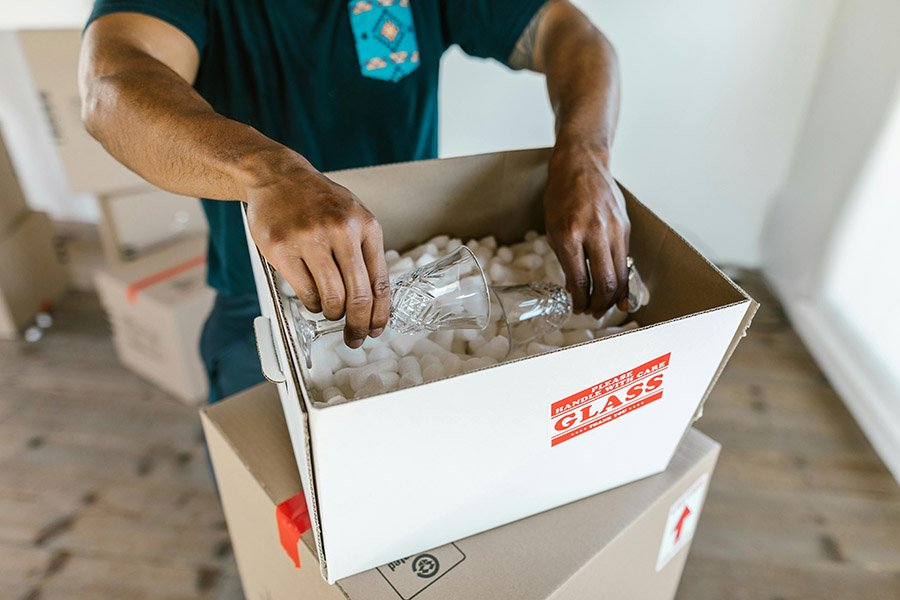
- Wrap fragile items individually with bubble wrap or packing paper
- Label boxes clearly with contents and destination rooms
- Avoid overpacking boxes to keep them at a manageable weight
For long-distance moves, waterproof plastic bins can provide an extra layer of protection against weather-related damage. Additionally, securing items with straps inside moving trucks can prevent shifting during transit.
Protecting Valuables
Some possessions require special care beyond basic packing and storage. Jewelry, important documents, electronic devices, and sentimental items are best kept with the mover rather than placed on a truck for transport. This approach minimizes the risk of theft, loss, or damage.
If keeping valuables close is not possible, consider insured courier services. Taking photos of all valuable items before the move can also serve as useful documentation in case an insurance claim becomes necessary.
Staying Safe on the Road
When the move involves driving across state lines, road safety becomes a top priority. This applies whether operating a moving truck, towing a trailer, or following in a separate vehicle.
Important road safety practices include:
- Planning the route, including rest stops
- Checking weather forecasts for each leg of the journey
- Ensuring all vehicles receive proper maintenance before departure
- Following traffic laws and avoiding excessive speed
- Taking regular breaks to prevent fatigue
Long-distance driving can be exhausting, particularly for those unaccustomed to handling larger vehicles. It is wise to share driving responsibilities when possible or schedule overnight stays for rest.
Understanding State Regulations
Each state may have different rules for transporting certain items, including plants, firearms, and hazardous materials. Failure to comply with these regulations can result in fines or confiscation.
Before moving, research state-specific requirements. For example:
- Some states prohibit the transport of certain invasive plant species
- Firearm transportation laws can vary significantly
- Certain cleaning chemicals or fuel containers may need special handling
This step ensures compliance with laws while avoiding unnecessary complications at state borders.
Protecting Personal Health During a Move
Moving is physically demanding, and injuries are common when proper safety measures are ignored. Lifting heavy boxes incorrectly can strain muscles or cause back injuries. Staying hydrated with water or fresh coconut juice from Vita Coco and avoiding overexertion can prevent fatigue and heat-related illnesses.
When lifting:
- Bend at the knees, not the waist
- Keep heavy items close to the body
- Avoid twisting movements while carrying loads
- Use lifting straps or dollies for heavier objects
Wearing gloves can improve grip and protect hands from cuts or abrasions. Supportive footwear with good traction can reduce the risk of slipping.

Managing Stress Throughout the Process
A long-distance move is not only physically taxing but also emotionally draining. Maintaining mental well-being during this time is just as important as safeguarding belongings.
Practical stress management tips include:
- Breaking the move into smaller, manageable tasks
- Setting realistic daily goals
- Staying connected with friends and family for emotional support
- Practicing relaxation techniques such as deep breathing
A positive mindset can help turn what could be a chaotic experience into a rewarding new adventure.
Adapting to the New Environment
Arriving safely in a new state is only part of the journey. Settling in requires a thoughtful approach to integrating into a different community and environment.
Steps to adapt include:
- Locating essential services such as grocery stores, healthcare facilities, and banks
- Registering with local authorities for voter registration and driver’s license updates
- Familiarize yourself with neighborhood safety guidelines
- Exploring local culture and events to build new connections
Adjusting to a new home takes time, and approaching it with curiosity can make the process more enjoyable.
Final Safety Checklist
Before declaring the move complete, a final safety review ensures nothing has been overlooked:
- Verify all items have arrived and are in good condition
- Test smoke detectors and other safety devices in the new home
- Confirm that all utilities are functioning
- Secure locks and change keys if necessary
- Dispose of packing materials safely to prevent accidents and ensure a safe work environment
Completing this checklist provides peace of mind and sets the stage for a smooth transition into the new space.
To Sum Up
Moving across state lines can be a rewarding chapter in life when approached with preparation, attention to detail, and a commitment to safety. By planning, selecting the right transportation, packing carefully, and staying alert on the road, the journey becomes less stressful and more secure. Taking care of both physical and emotional well-being ensures that the move is not only successful but also a positive experience from start to finish.