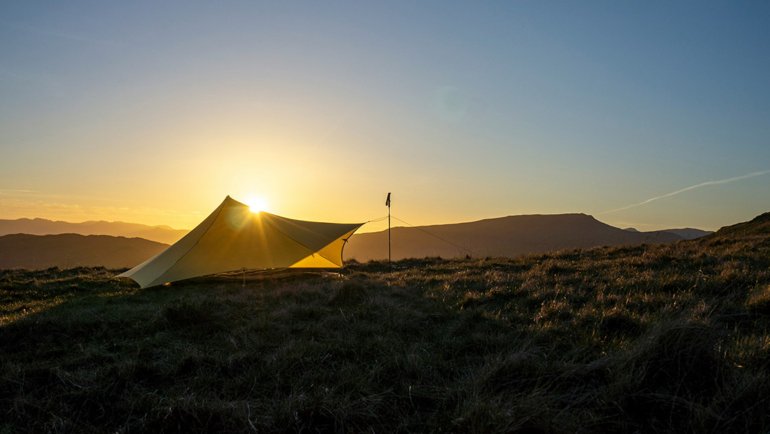
There’s something exhilarating about the weeks before a big trip. Your mind is already halfway to the trail, the campsite, the river, or the hunting lease. You can almost smell the pine trees, maybe even feel the grit of desert dust in your teeth. But right alongside all that excitement is a quieter question most people forget to ask: “Do I actually know what’s in my gear pile?”
If you’ve ever dug through your garage or closet before leaving, you know the chaos. Old boots you swore you’d throw out. A lantern with dead batteries. A camp stove missing a part you didn’t even know you’d lost. And if firearms are part of your outdoor life, the stakes are even higher.
This is why a gear audit, meaning a real sit-down where you evaluate what you own, isn’t just smart. It’s necessary.
And yes, sometimes it even includes asking yourself whether to sell gun items you don’t use anymore or can’t responsibly bring along.
What a Gear Audit Really Means
A gear audit isn’t about spreadsheets for the sake of looking organized. It’s not a corporate word game. It’s simply taking stock of what you have, what actually gets used, and what’s been gathering dust.
You spread it all out, packs, clothing, cookware, tents, ropes, gadgets. You check the condition. You test batteries. You figure out what’s broken beyond repair and what could be salvaged. Even that flashlight from 2010, the one you tossed in a drawer after your last road trip, deserves a second look.
Think of it like a truck tune-up before a long drive. You wouldn’t just assume the oil is fine. You’d check, because that check gives you peace of mind.

Why Outdoor Gear Gets Out of Hand
If you’ve been an outdoors person for any length of time, you know how it happens. Gear piles up the way guitar pedals pile up for musicians or lures pile up for fishermen. One new gadget promises lighter weight. A new jacket claims to be more weatherproof than the last. Pretty soon you’re swimming in duplicates.
It’s not just about utility either. There’s the emotional layer. That beat-up tent from your first backpacking trip, the rifle from your first hunting season. They hold memories, not just fabric or steel.
Then there’s the “just in case” problem. You keep gear because you imagine one day you’ll need it. But that day rarely comes, and the pile keeps growing.
Firearms in the Mix: A Different Level of Responsibility
Boots and stoves are one thing. Firearms are another. When your audit includes rifles, pistols, or shotguns, you’re dealing with something far more serious. Safety, legality, and ethics all sit at the table.
That’s why this is the best moment to make clear decisions. Maybe you’ve got duplicates that never leave the safe. Maybe you own a piece you know you’ll never travel with. This is when it makes sense to choose between secure storage and selling through proper legal channels.
A firearm isn’t just another piece of gear tossed in a backpack. It carries responsibility, even when it’s not in your hands.
Condition Check: What Still Works, What Doesn’t
Here’s where the truth comes out. Does your headlamp still switch on? Is that tent pole cracked? Are your boots as waterproof as they claim, or do they betray you in the first downpour?
With firearms, condition checks are even more critical. Are they cleaned and oiled? Do you have the right case for safe transport? Is your ammo reliable?
Some brands become legends because they last decades. MSR stoves, Leatherman tools, that one old Coleman lantern. Others, honestly, don’t. A knockoff knife might look good in the catalog, but when you actually need it, the blade folds when it shouldn’t. The same principle applies to firearms. Quality beats quantity every time.
Streamline for Travel
Here’s the hard truth: you can’t take it all. Space, weight, and the law itself all agree on that.
Ask yourself what you’ll actually use. Do you really need three different stoves? Probably not. Do you really need three rifles that all fill the same role? Same answer.
This isn’t about stripping life bare. It’s about being intentional. Keep the gear that serves a clear purpose and let the rest go. The sentimental stuff? Maybe it gets stored instead of packed.
Selling or Trading Extra Gear
Outdoor communities love swapping gear. Local outfitters often have bulletin boards where people post items for sale. Online forums are packed with “used but good” listings.
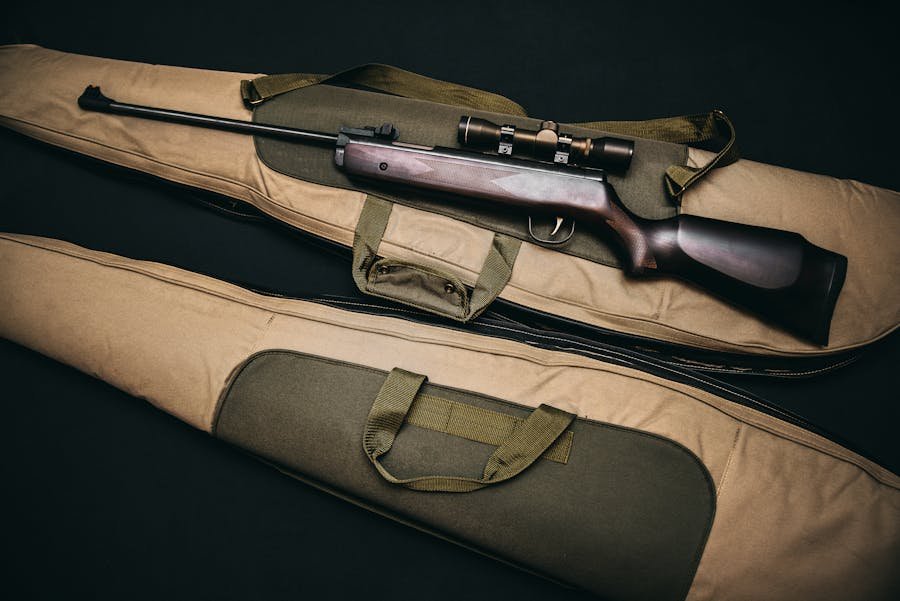
Firearms, of course, take a different path. They have to be sold legally, usually through licensed dealers or specialized services. Think of it less like selling a cooler and more like handling a title transfer for a vehicle. Paperwork, rules, background checks. All important.
The good news is there’s demand. A firearm that just sits in your safe could be exactly what another responsible owner is looking for.
Storage Options When You’re Gone a While
Not every piece has to be sold. Sometimes storage makes the most sense.
For general gear, a few bins in a garage or a simple storage unit work fine. For firearms, you need more care. Some ranges and gun clubs offer lockers. Licensed dealers sometimes provide secure storage for a fee. Serious collectors often look into climate-controlled options because humidity is no joke—it can slowly eat away at wood and metal.
The point is peace of mind. When you know your gear is safe, you travel lighter mentally too.
Insurance: The Forgotten Step
Here’s one that doesn’t cross most people’s minds. Standard homeowners’ or renters’ policies often don’t cover the full value of outdoor gear, let alone firearms.
Specialized riders or firearm-specific insurance can close that gap. It’s not overkill, it’s common sense. If your gear represents thousands of dollars in investment, why wouldn’t you protect it? Photographers insure their cameras. Musicians insure their instruments. Outdoor enthusiasts should treat their gear the same way.
Packing Smart: Balancing Space, Weight, and Safety
Doing the audit is step one. Packing is step two.That’s when real decisions happen. Compression sacks, modular packing cubes, rolling clothes instead of folding—these save space. But when it comes to firearms, rules are strict. Ammo usually travels separately. Airlines demand locked hard cases. Road trips mean learning the laws in each state you’ll cross.
If you’ve ever seen someone in an airport arguing with TSA over a poorly packed firearm, you know how fast things can go wrong. A gear audit helps you avoid that scene.

Different Travel Scenarios
Traveling by road? You’ll face a patchwork of state laws. Traveling by air? The TSA has their own non-negotiable rules. Going overseas? The restrictions can be so tight that leaving firearms behind is usually the only realistic option.
Each path has its own map. That’s why preparation isn’t obsessive, it’s simply smart.
The Emotional Side of Downsizing
This part rarely gets mentioned. Letting go of gear can sting. That old camp stove might have burned half your meals but it also carried you through storms. That rifle might not leave the safe anymore, but it’s tied to a hunt you’ll never forget.
Letting go can feel like losing part of yourself. But it can also bring relief. A lighter load means easier travel. A smaller collection means fewer worries. Sometimes clearing space in your gear pile also clears space in your head.
Seasonal Factors
Not every trip looks the same. A July camping trip is nothing like a December elk hunt.
Gear shifts with the season. Lightweight tents work in summer but fail in snow. A parka that saves your life in Montana will smother you in Florida. Firearms too—what you carry depends on the hunt, the season, the law.
The ultralight backpacking trend is worth noting here. It’s all about trimming down to essentials. Not everyone goes that extreme, but the philosophy holds true: less can be more.
A Final Recap
- Lay out every piece of gear and check condition
- Treat firearms as part of the audit, not an afterthought
- Decide what stays, what gets sold, and what goes into storage
- Protect valuable gear with proper insurance
- Pack smart with space-saving tricks and legal compliance
- Adjust your list based on season and trip type
Wrapping It Up
A gear audit isn’t busywork. It’s a chance to travel with less weight on your back and fewer worries on your mind.
For outdoor folks, gear isn’t just stuff. It’s stories, tools, and sometimes lifelines. Taking time to clean it, store it, or sell it shows respect for the role it plays in your life.
Because travel isn’t about how much you bring. It’s about how free you feel when you finally get out there.