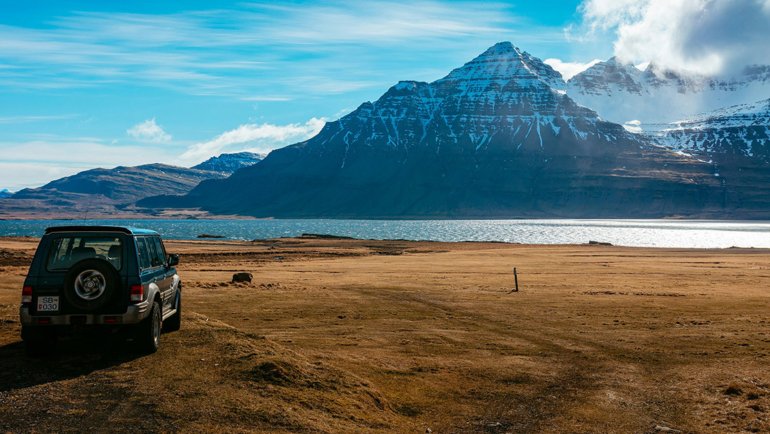
You pack the vehicle, double-check essentials, and start rolling. The goal is simple. Reach remote places and enjoy the process. Once pavement ends, the experience becomes real. Every mile brings terrain shifts, weather changes, and new conditions to handle.
Many travelers want that challenge. They value comfort, safety, and gear that works every time. Confidence comes from preparation and smart decisions before the first trail even begins. A solid setup prevents stress and keeps the trip enjoyable.
Overlanding takes patience and planning. It rewards people who value independence and practical thinking. With the right gear and mindset, the journey becomes smooth, meaningful, and memorable.
Vehicle and Load-Out Essentials
Everything starts with the vehicle. A solid road adventure setup benefits from clear planning and gear decisions. Every upgrade should have a clear purpose.
Tires, suspension, and storage shape how it handles dirt, rocks, and uneven ground. Every upgrade should have a clear purpose.
Recovery gear comes first on most builds. A winch, traction boards, and a tow strap solve many trail problems. Fast access makes a difference when time matters.
Weight placement needs attention. Heavy gear sits low. Lighter items sit higher. A balanced layout helps the vehicle handle predictably.
Roof racks create space for bulky equipment. Skid plates shield vulnerable parts from impact. A snorkel supports safer crossings during deep water sections.
A checklist keeps things organized. Check tire pressure, fluid levels, and tool locations before every trip. A repeatable system reduces stress and keeps travel efficient.
Maintenance Mindset for Long-Term Reliability
Maintenance keeps the vehicle ready for every mile. Fluids, belts, filters, and hoses need regular inspection. Off-road terrain exposes weak points fast. A loose bolt or worn seal can end a trip. Routine checks prevent avoidable problems.
A maintenance schedule keeps things predictable. Track mileage, tire wear, and changes in handling or engine tone.
A compact repair kit helps during field situations. Pack clamps, sealant, spare hardware, and essential tools. Test everything before leaving. A consistent maintenance routine protects the vehicle and keeps progress smooth.
Lessons from racing culture help travelers value maintenance as a continuous practice instead of a reaction to failures. MillerMotorsports.direct represents that environment through race support, builds, and ongoing mechanical oversight for competitive drivers. That level of mechanical discipline translates well to long-distance travel, where reliability matters and failure can leave travelers stuck far from help.
Camping and Comfort Equipment
A good camp setup makes each stop easier. Shelter, sleeping gear, and lighting set the tone for rest and recovery. Pick equipment that handles changing weather and frequent use.
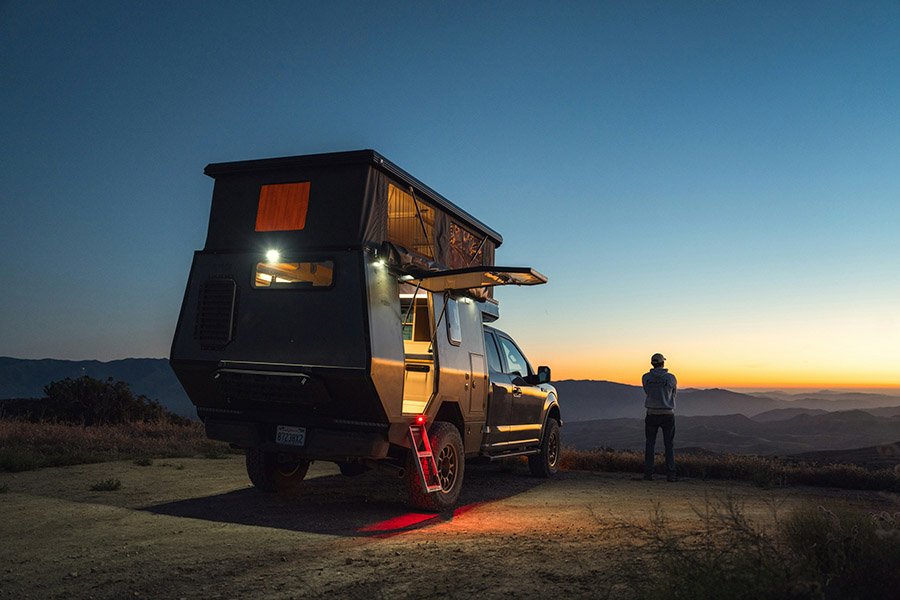
A rooftop tent saves space and speeds up camp setup. Ground tents work well for flexible layouts and shared space. Sleeping pads, bags, and blankets help maintain warmth through long nights.
Simple extras add comfort. Chairs, a folding table, and soft lighting create a functional space for downtime, meals, and planning. Awning systems provide shade and protect the cooking area from rain.
Test the whole setup at home. Confirm tent hardware, zippers, and poles. Check lighting batteries and straps. Each detail matters when conditions shift.
Kitchen, Food, and Cooking Setup
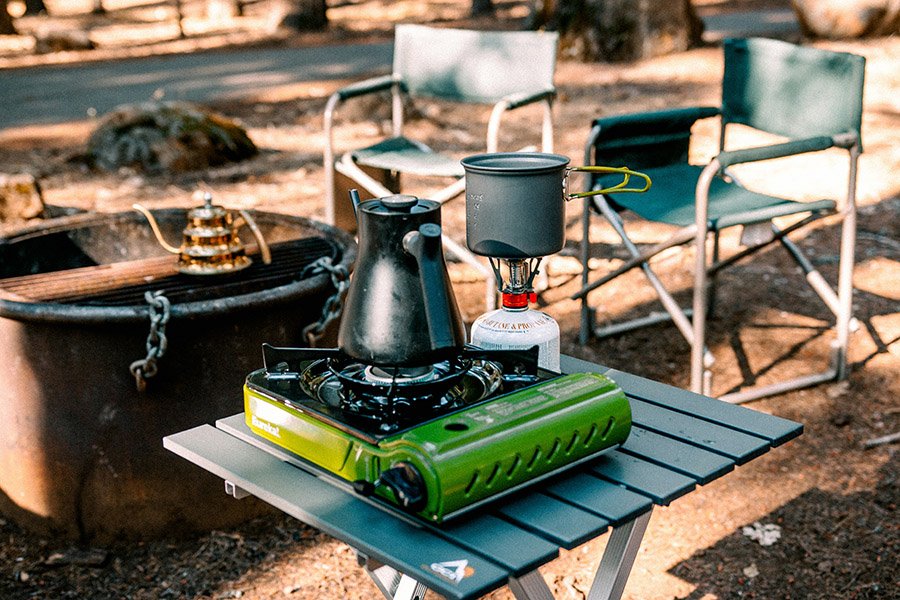
Stoves, fuel, and cookware need to work in wind, rain, and dirt. Simplicity makes the process easier.
Two-burner stoves handle most meals. Compact single-burner options work well for quick boiling or solo trips. A camp oven, Dutch oven, or griddle gives variety for longer journeys. Pick cookware that cleans easily and handles repeated heating.
Food storage matters. A fridge or powered cooler prevents spoilage during multi-day travel. Dry goods stay organized in sealed containers. Spices, oil, and small essentials sit in one easy-access kit.
Build a consistent workflow. Keep utensils, knives, cutting boards, and cleaning supplies in the same location every trip. A practiced setup reduces frustration and keeps meals smooth.
Reliable navigation tools keep the route clear and prevent backtracking. GPS units, offline maps, and written route notes provide clarity when signals drop. Redundancy helps prevent confusion during long stretches.
Communication tools help you stay connected. A satellite messenger, radio, or emergency beacon gives a direct line for help during remote travel. Each device should be tested before every trip.
Recovery tools solve common problems in difficult terrain. A shovel, tire deflator, and jack handle basic situations. A recovery strap and traction boards handle deeper ruts or soft surfaces.
Store these tools in one accessible space. Practice using them at home. Preparation leads to confidence when challenges appear.
Power Systems, Lighting, and Climate Control
A dependable power setup supports comfort and safety. Dual-battery systems, portable power stations, and solar panels keep devices running during long trips. Stable power prevents food spoilage, lighting failure, and communication loss.
Lighting impacts productivity at camp. Headlamps, lanterns, and mounted LED lights help with cooking, repairs, and late-night movement. Soft ambient lighting makes downtime calmer and less harsh.
Climate control equipment improves rest and sleep. Portable fans manage heat inside tents or vehicles. Insulated window covers help regulate temperature and improve privacy during long stays.
Test the full power system at home. Confirm battery health, cable routing, and charging speed. A reliable setup prevents frustration and keeps the trip steady.
Safety, Medical, and Environmental Considerations
A complete first aid kit covers cuts, burns, bites, and common trail injuries. Trauma supplies support more serious situations. Training improves response speed and accuracy under pressure.
Water filtration provides safe hydration on long travel days. Filters, treatment tablets, and backup storage create flexibility when fresh sources are uncertain. Waste handling tools prevent contamination and keep camps sanitary.
Environmental responsibility shapes long-term access to wild spaces. Use reusable containers, biodegradable soap, and secure trash storage. Campfires require caution and proper extinguishing every time.
Review safety gear before departure. Replace expired items, refill supplies, and confirm packaging strength. Prepared travelers manage unexpected situations with greater confidence.
Wrapping Up
Overlanding rewards effort and planning. Good gear makes long miles easier and prevents small issues from growing during remote travel. Every item should serve a clear function.
Start with the basics and refine over time. Remove unused gear. Upgrade weak items after real-world testing. Keep storage simple and easy to reach.
Experience guides better decisions. The vehicle becomes organized. Camp setups take less time. Travel becomes practical, relaxed, and enjoyable because the system works instead of slowing the journey.