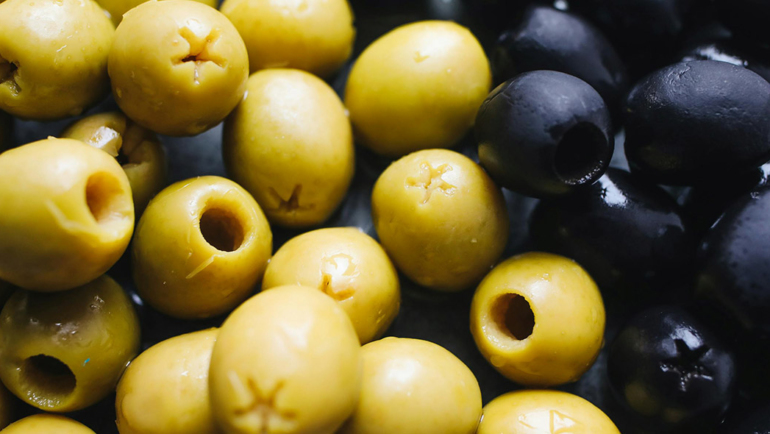
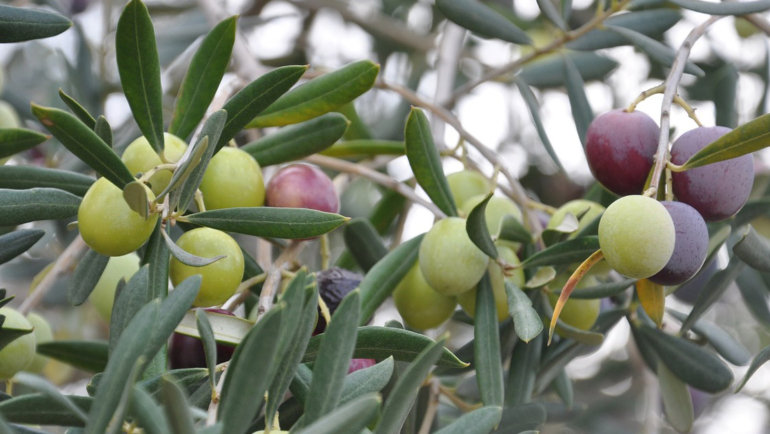
If you want to understand Palestine, sit at a table during olive harvest season. The air smells of onions and sumac. Bread is torn by hand. Olive oil runs generously, never measured. This is where musakhan belongs. Not in fine-dining plating. Not rushed. Shared.
Musakhan is widely recognised as Palestine’s national dish, not by decree, but by consensus. It is the food that gathers land, labour and memory on a single plate. Every core ingredient tells a story. Olive oil from local groves. Sumac from wild hillsides. Flatbread baked close to home. Musakhan is not just eaten. It is lived.
What Is Musakhan?
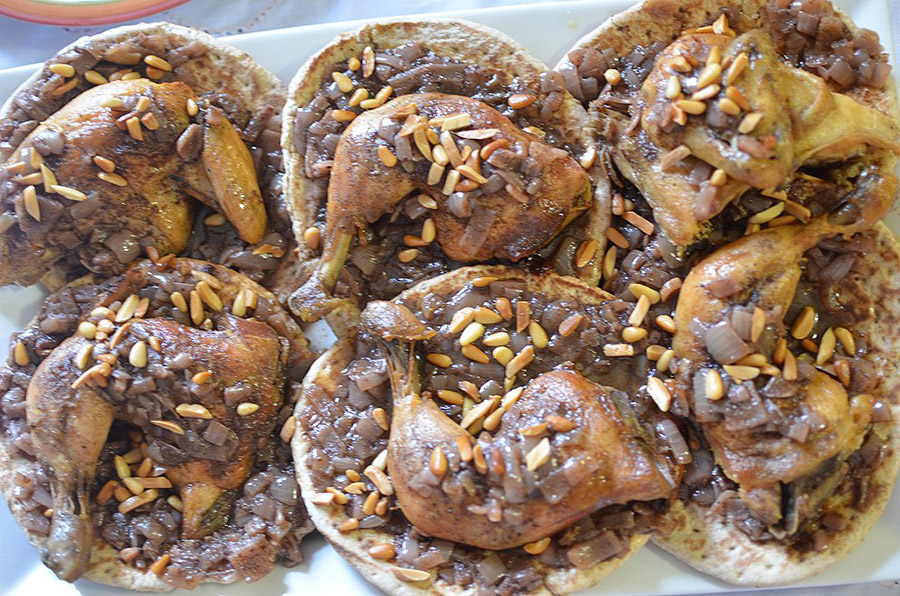
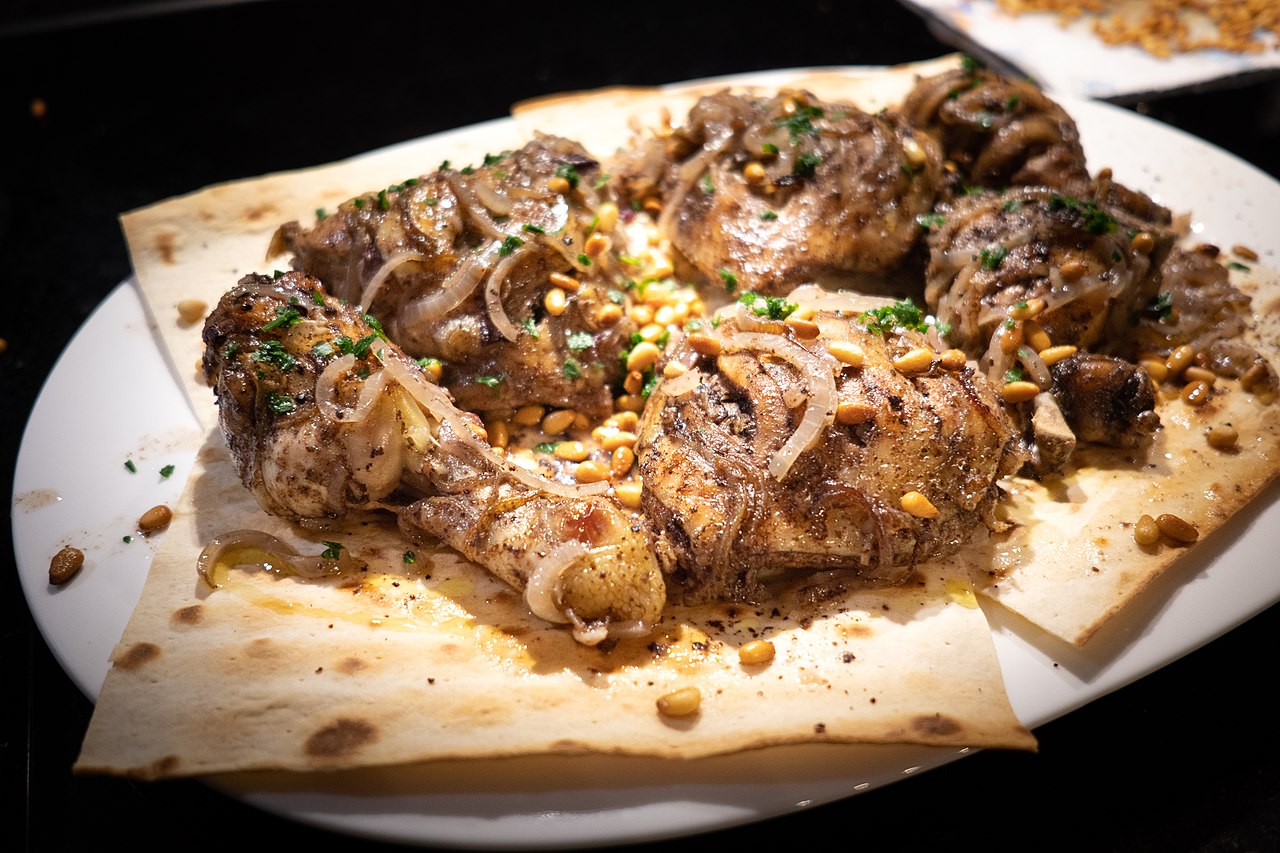
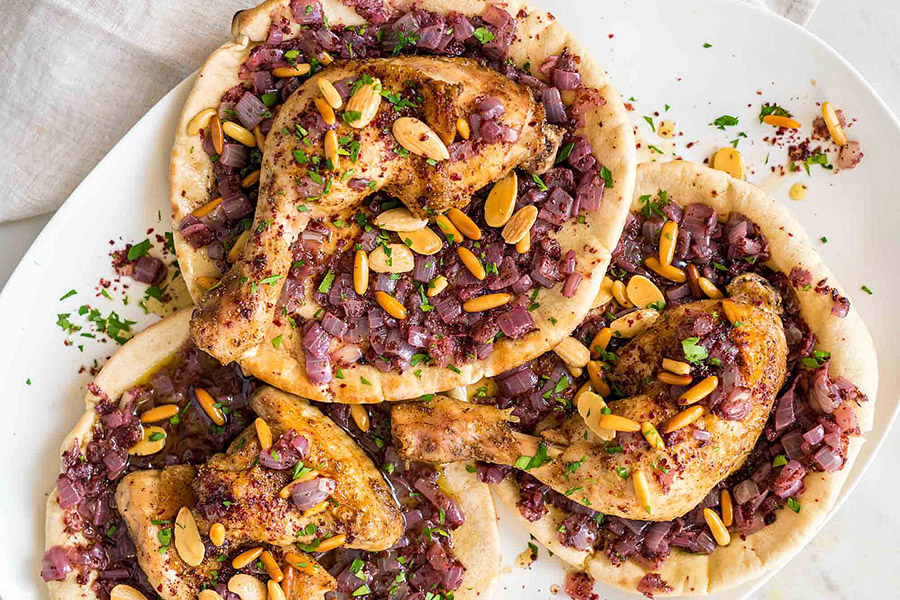
Musakhan is a traditional Palestinian dish made of roasted chicken, slow-cooked onions, sumac and olive oil, served on large rounds of taboon bread. The bread absorbs the oil and onion juices, becoming rich, soft and deeply flavoured.
The name musakhan comes from the Arabic root related to heat and warming. The dish is served hot, often layered and piled high, meant to be eaten immediately and communally. No knives required. Hands are part of the ritual.
What sets musakhan apart from many Middle Eastern dishes is restraint. There are few spices. No heavy sauces. The flavour comes from quality ingredients used generously, especially olive oil.
 Source: Wikimedia Commons
Historical and Cultural Origins
Musakhan originated in the northern West Bank, particularly around Jenin, Tulkarem and Nablus, regions known for fertile land and abundant olive groves. Historically, it was prepared during the olive harvest as a celebratory meal after long days of work.
It makes sense. Musakhan uses freshly pressed olive oil at its peak. It feeds many people without requiring rare ingredients. It honours the harvest rather than hiding it.
Over time, musakhan became associated with hospitality, gatherings and important moments. It moved from the fields into homes, weddings and communal celebrations. Today, it is prepared across Palestine and throughout the diaspora, carrying those same associations with it.
Ingredients and Preparation
At its core, musakhan relies on a short but deliberate list of ingredients:
- Olive oil – abundant, fruity, unfiltered if possible
- Sumac – tangy, deep red, essential
- Red onions – sliced thin and cooked slowly
- Chicken – traditionally roasted or baked
- Taboon bread – thick, chewy, absorbent
- Pine nuts – optional but common
The onions are cooked gently in olive oil until soft and sweet, never rushed. Sumac is added generously, turning the mixture a deep purplish brown. The chicken is roasted separately, then laid over bread covered in onions and oil.
The dish is assembled rather than plated. Bread first. Onions next. Chicken on top. More onions. More oil. Pine nuts scattered last.
Musakhan in Palestinian Society
Musakhan is tied closely to seasonality. It is most commonly prepared in autumn, during olive harvest, though today it appears year-round for special occasions.
It is not everyday food. It signals effort and intention. Families prepare it when guests arrive from afar, when something needs to be marked, when people need to be brought together.
In 2010, Palestinians in Ramallah prepared the world’s largest musakhan, setting a Guinness World Record. It was not about excess. It was about visibility. Food as cultural affirmation.
 Source: Wikimedia Commons
Cultural Symbolism and Identity
Musakhan has become a culinary expression of Palestinian identity because it is inseparable from the land. Olive oil is not interchangeable. Sumac is not optional. Bread is not decorative.
The dish reflects values that matter deeply in Palestinian culture: generosity, rootedness, patience, collective work. It is eaten together, often from the same tray. There is no hierarchy at a musakhan table.
In the diaspora, musakhan often appears at moments when identity needs reaffirming. It is cooked deliberately, explained carefully, served proudly.
Variations and Regional Differences
While the classic form remains dominant, variations exist:
- Musakhan rolls use thin flatbread wrapped around the filling
- Some regions add more sumac, others more onion
- In Gaza, flavours may be bolder, with slight coastal influences
Another dish, maqluba, is sometimes mistakenly called the national dish. While hugely popular, maqluba is more widespread across the Levant. Musakhan is uniquely Palestinian in its cultural weight.
Interesting Facts About Musakhan
- Musakhan is traditionally eaten by hand, from a shared platter.
- Olive oil can make up nearly a third of the dish’s volume.
- Sumac used in musakhan often comes from wild-harvested plants.
- The dish is closely tied to olive harvest school holidays.
- Musakhan has become a symbol of culinary resistance and preservation.
 Source: Wikimedia Commons
How to Make Musakhan (Overview)
- Slowly cook sliced onions in generous olive oil.
- Add sumac and salt. Cook until deeply soft and fragrant.
- Roast or bake chicken with olive oil and spices.
- Lay taboon bread on a large tray.
- Spread onion mixture generously.
- Add chicken pieces.
- Finish with pine nuts and extra olive oil.
- Serve hot. Eat together.
Musakhan in Modern Cuisine
Today, musakhan appears in Palestinian restaurants worldwide, from Amman to London to New York. Chefs adapt it carefully, knowing that altering it too much risks losing its meaning.
On social media, musakhan is often presented as comfort food with context. Recipes are shared alongside stories. The dish resists simplification.
Other Famous Palestinian Dishes
- Maqluba – layered rice, vegetables and meat, flipped upside down
- Maftoul – hand-rolled wheat pearls with chicken and broth
- Sumaghiyyeh – Gazan stew rich in sumac
- Qidreh – lamb and rice baked in clay pots
- Falafel – deeply rooted street food tradition
Frequently Asked Questions
What is Palestine’s national dish?
Musakhan is widely recognised as Palestine’s national dish.
Why is musakhan so important culturally?
It ties food directly to land, harvest and community.
Is musakhan eaten daily?
No. It is typically reserved for gatherings and special occasions.
What makes musakhan different from other chicken dishes?
Its reliance on olive oil, sumac and taboon bread, and its cultural context.
Can musakhan be made vegetarian?
Yes. Onion, sumac and olive oil versions are common and respected.
Other National Symbols of Palestine