Walk through the hills of Palestine in autumn and you will hear it before you see it. Laughter, the clink of ladders, hands brushing leaves. The olive harvest is not just agricultural work. It is memory in motion. This is why, when people speak of Palestine’s national fruit, the answer comes without hesitation: the olive.
The olive is food, fuel, livelihood, and symbol all at once. It ties families to land across centuries, appears in poetry and embroidery, and shapes entire landscapes of terraced stone hills. In Palestine, the olive is not a crop you plant and forget. It is something you inherit.
Description of the Olive
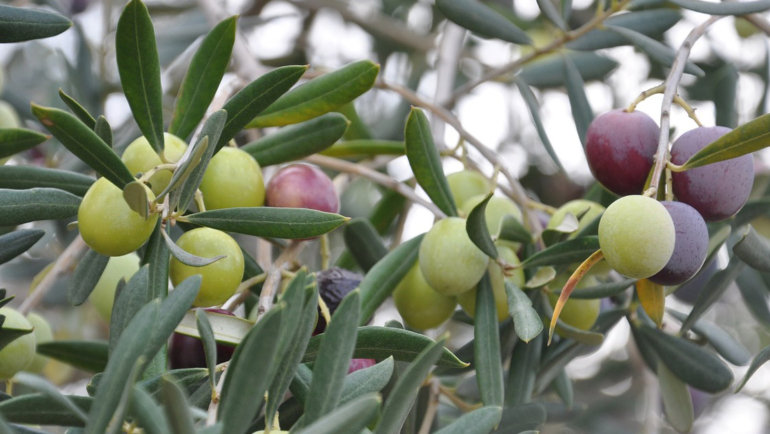
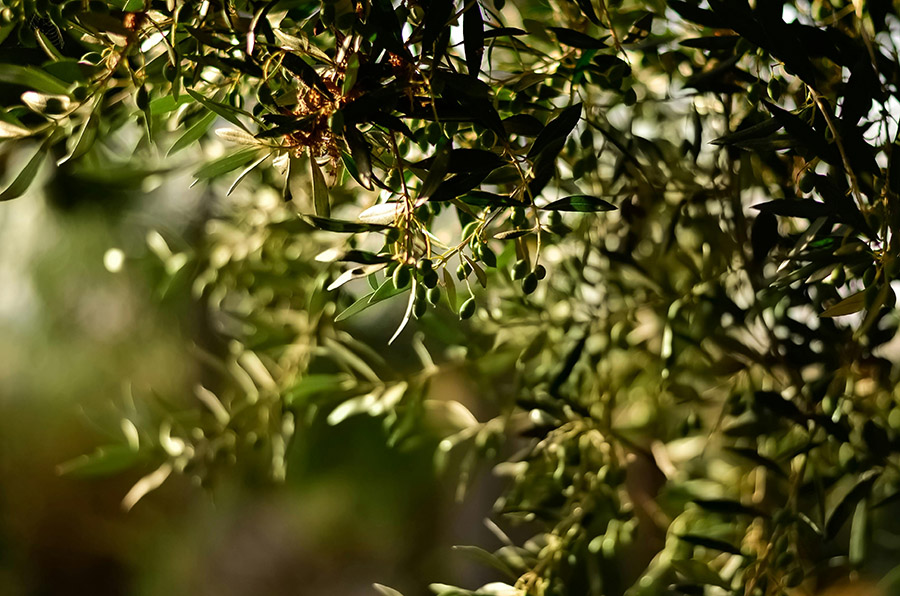
The olive comes from the tree Olea europaea, an evergreen native to the Mediterranean basin. Its narrow, silvery-green leaves shimmer in dry sunlight, while its gnarled trunks twist into shapes that look almost sculpted by time. Many Palestinian olive trees are hundreds of years old. Some are believed, locally, to be much older.
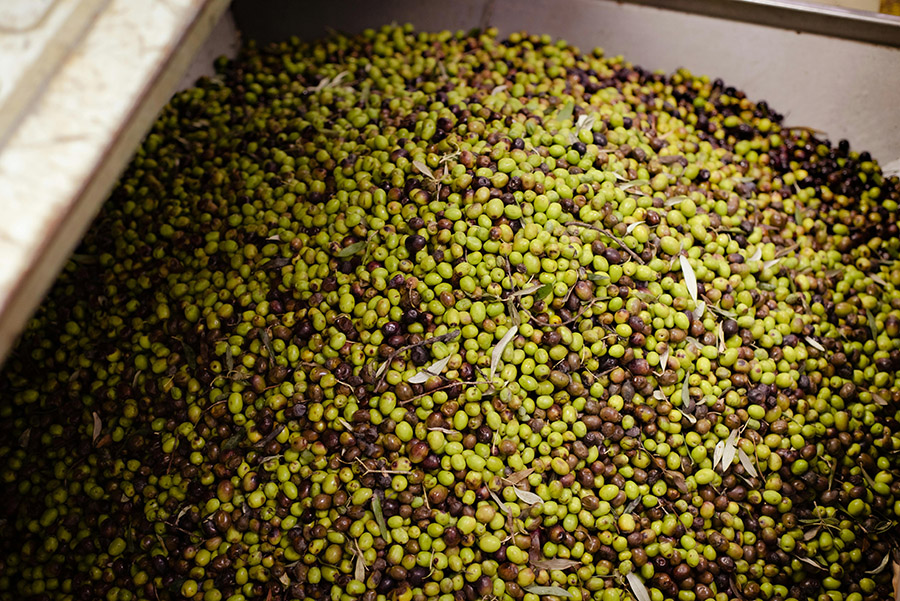
The fruit itself is small and oval, starting green and deepening to purple or black as it ripens. Fresh olives are bitter and inedible until cured, but once processed they reveal flavours that range from grassy and peppery to rich and buttery. Olive oil pressed from Palestinian olives is typically robust, with a sharp finish that locals recognise immediately.
Beyond food, olives have long been used in soap-making, lamp oil, traditional medicine, and religious rituals. Olive wood is carved into prayer beads, kitchen tools, and souvenirs. Very little of the tree goes to waste.
Where Does the Olive Grow?
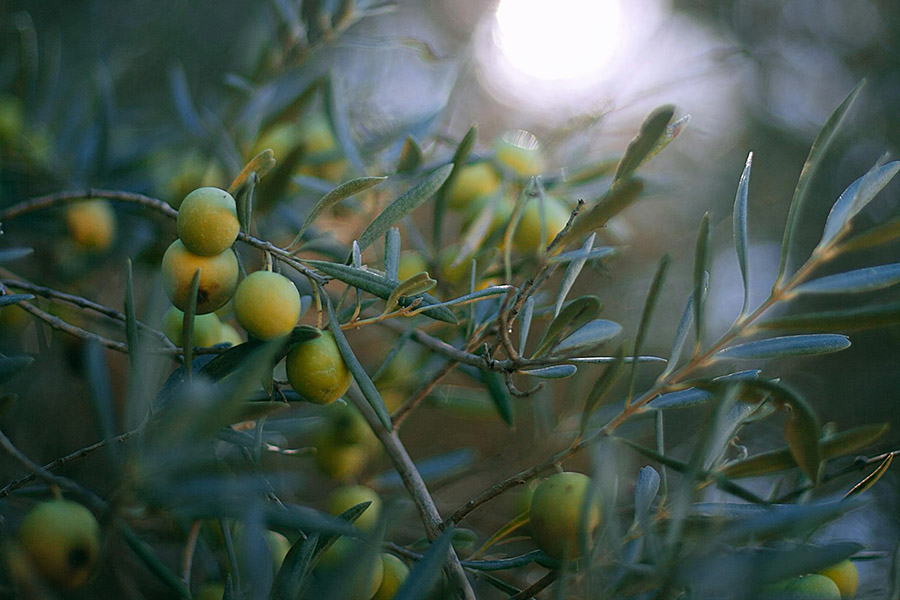
Olive trees thrive in Mediterranean climates, and Palestine provides near-perfect conditions. Across the West Bank, olive groves cover rolling limestone hills, often arranged in hand-built stone terraces that prevent erosion and retain moisture. Rain-fed agriculture is common, with trees adapted to survive long, dry summers.
The most olive-dense regions include Jenin, Nablus, Tulkarem, Salfit, and Hebron, where entire villages are surrounded by groves. In Gaza, olives also grow, though coastal soils and political constraints shape cultivation differently.
Olives are grown throughout the Mediterranean, from Spain to Greece, but Palestinian varieties, especially the Nabali olive, are known for high oil yield and strong flavour. These trees are not intensively farmed in modern plantation style. They are spaced wide, pruned lightly, and allowed to age.
The Olive in the Ecosystem
Ecologically, olive trees are quiet stabilisers. Their deep root systems hold soil in place on steep slopes, preventing erosion during winter rains. Terraced olive landscapes are among the most sustainable agricultural systems in the Mediterranean.
Olive groves support biodiversity. Birds nest in branches, insects pollinate wildflowers beneath the canopy, and grazing animals feed between trees. Unlike monoculture farming, traditional olive cultivation maintains ecological balance.
The trees are also remarkably drought-resistant. In a region where water scarcity shapes daily life, olives survive with minimal irrigation. That resilience is not accidental. It is the result of thousands of years of adaptation.
Symbolism and Meaning: Why the Olive Is Palestine’s National Fruit
The olive is considered Palestine’s national fruit not through a single legal decree, but through centuries of lived reality. It represents steadfastness (sumud), continuity, and belonging to the land.
Historically, olives have been central to the Palestinian rural economy. Families measure time in harvests. Land ownership has long been tied to olive groves. A tree planted today is understood as something grandchildren will inherit.
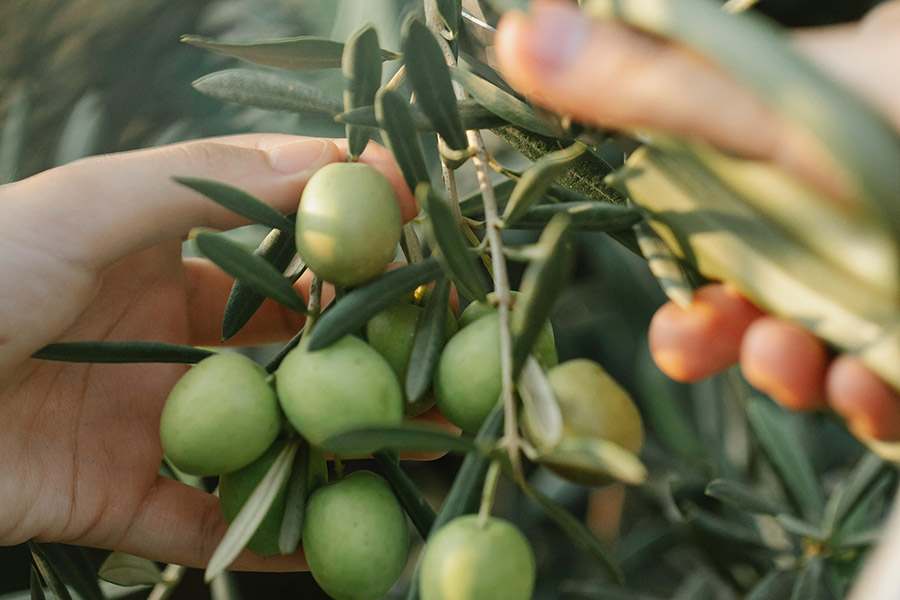
Culturally, the olive harvest is a social event. Schools close during peak season. Families gather. Meals are cooked outdoors. Songs are sung while olives are hand-picked, often without machinery. This rhythm binds generations together.
In poetry, art, and political expression, the olive tree stands for peace, endurance, and rootedness. When olive trees are damaged or removed, it is felt not just economically but emotionally. This deep cultural weight is why the olive functions as a national symbol far beyond the idea of fruit.
Names of the Olive
- English: Olive
- Scientific name: Olea europaea
- Arabic: زيتون (zaytoun)
- Olive oil: زيت زيتون (zayt zaytoun)
Local Palestinian varieties include:
- Nabali – the most common, prized for oil
- Souri – ancient Levantine cultivar
- Malissi – table olive variety
The Arabic root z-y-t links olives directly to oil, light, and sustenance in the language itself.
Where Is the Olive Featured in Palestine?
Olives appear everywhere in Palestinian life, though rarely as formal state imagery. You will see them in tatreez embroidery, carved into woodwork, painted in murals, and referenced in folk songs and poetry.
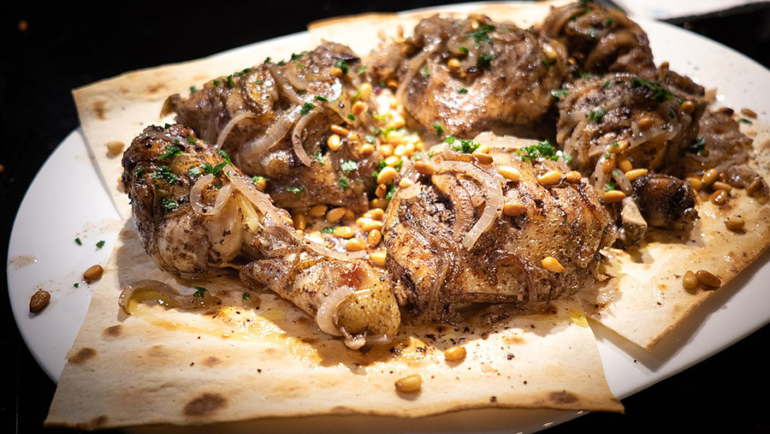
Culinarily, olive oil is foundational. Dishes like musakhan, maftoul, and manakish rely on it not as garnish, but as structure. A household without olive oil is considered incomplete.
Internationally, Palestinian olive oil has become a symbol of cultural survival and fair trade, sold through cooperatives that connect farmers directly to global markets.
Interesting Facts About the Olive
- Some Palestinian olive trees are believed to be over 1,000 years old.
- Olive trees can regenerate even after severe damage.
- The olive harvest season typically runs from October to November.
- Olive oil has been used historically as fuel for lamps and religious rituals.
- The olive branch has ancient associations with peace across the Mediterranean world.
How to Grow Olives
- Climate: Mediterranean. Hot, dry summers. Mild, wet winters.
- Soil: Well-drained, rocky or limestone soils are ideal.
- Sunlight: Full sun. At least 6–8 hours daily.
- Water: Minimal once established. Overwatering harms roots.
- Spacing: Trees need space to grow wide crowns.
- Harvest: Hand-picked or gently shaken when fruit ripens.
In Palestine, olives are rarely grown as ornamental trees. They are planted with intention and expected to last generations.
Other Beautiful Fruits Native to Palestine
- Fig – ancient, sweet, and culturally significant
- Pomegranate – symbol of abundance and fertility
- Grapes – eaten fresh and dried, used in molasses
- Dates – grown especially near the Jordan Valley
- Citrus (especially oranges) – historically important to coastal agriculture
Frequently Asked Questions
Why is the olive considered Palestine’s national fruit?
Because it has shaped Palestinian agriculture, culture, and identity for thousands of years.
Is the olive tree native to Palestine?
Yes. The Levant is one of the olive’s original centres of domestication.
What is special about Palestinian olive oil?
It is typically robust, high in polyphenols, and produced using traditional methods.
When is olive harvest season in Palestine?
Usually October to November.
Does Palestine have an official national fruit by law?
There is no single legal declaration, but the olive is universally recognized as the national fruit in cultural, agricultural, and symbolic terms.
Other National Symbols of Palestine