A weekend off-road adventure is the perfect way to disconnect from daily routines and immerse yourself in nature, whether you’re navigating rugged trails, forest paths, or desert landscapes. Start by choosing a destination suited to your vehicle and skill level, and research trail conditions, weather, and local regulations.
Packing the right gear, from recovery tools and spare tires to first-aid kits and sufficient water, can make the difference between a smooth trip and unexpected setbacks.
Off-roading is as much about preparation as it is about the thrill, so mapping out your route, informing someone of your plans, and checking vehicle readiness are essential steps. By combining careful planning with a spirit of adventure, enjoy breathtaking scenery, and create memorable experiences with friends or family while staying safe and confident on every trail.
Essential Pre-Trip Off-Road Adventure Planning Strategies
The difference between epic stories and cautionary tales? Planning. Recent statistics reveal that vehicles approximately 22 years old hit a sweet spot between cost-effectiveness and off-road capability. Why does this matter? Because time-tested older vehicles frequently outperform newer models lacking dedicated off-road packages when facing beginner terrain. Let’s dig into the fundamental choices that’ll define your entire expedition.
Selecting Your Ideal Off-Road Destination
Weekend trips demand one golden rule: stay realistic about distance. Target destinations sitting 2-4 hours away maximum, which translates to actual dirt-under-tires time rather than endless interstate monotony. When researching trail ratings, be brutally honest with yourself – beginning with manageable routes and progressing upward shows wisdom, not weakness.
Don’t skip checking permit requirements beforehand, and never assume that the trail you bookmarked remains open. Weather destruction, seasonal restrictions, and shifting land regulations create constant changes.
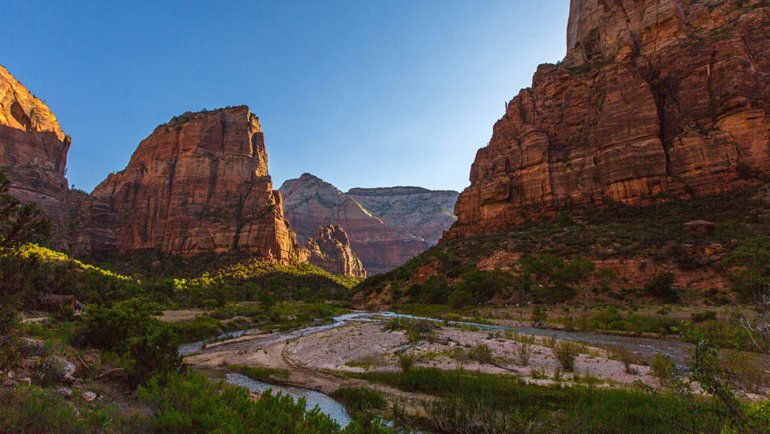
Utah’s wildly diverse landscape delivers some of America’s most breathtaking off-road possibilities. Those dramatic desert vistas and technical rock-crawling sections make Utah a magnet that dedicated off-roaders visit repeatedly.
If you’re weighing equipment upgrades or rental options, specialists in honda powersports utah, deliver quality machines and knowledgeable guidance customized for regional trail characteristics. These locations stock ATVs, side-by-sides, and dirt bikes engineered for conquering varied landscapes, from sandy washes to boulder-strewn mountain paths.
Understanding your vehicle’s boundaries before departure proves essential. Ground clearance measurements, approach plus departure angles, and four-wheel-drive systems dictate which trails you can reasonably tackle. Stock vehicles handle numerous weekend adventures perfectly fine – you don’t need a magazine-cover build to experience genuine fun.
 Source: Canva
The Complete Off-Road Trip Checklist for Weekend Warriors
Proper gear separates minor hiccups from full-blown crisis situations. Here’s what you legitimately need, not merely what appears impressive.
Critical Vehicle Preparation Points
Before backing out of your driveway, confirm tire pressure suits your intended terrain. Rock crawling demands different PSI than high-speed desert runs. Verify all fluid levels – oil, coolant, brakes, differentials. Examine your spare tire, confirming it’s genuinely accessible and holds proper air. Too many people discover their spare sits flat when they’re already immobilized miles from nowhere.
Check every lighting system, including fog lamps and aftermarket lights you’ve added. Malfunctioning headlights transform into serious hazards when navigating mountain hairpins after dark.
Recovery and Emergency Equipment
Bare minimum requirements include tow straps, D-ring shackles, and a functional jack capable of handling off-pavement conditions. Recovery boards become invaluable when you’re mired in sand or mud. Portable air compressors allow airing down for enhanced traction, then reinflating for highway travel homeward.
Include a fundamental tool collection with wrenches, screwdrivers, and duct tape. Mount a fire extinguisher where it’s immediately reachable, not buried beneath camping supplies.
Advanced Off-Road Travel Tips for Route Planning
Mapping routes involves substantially more than sketching lines across screens. Strategic thinking keeps you advancing forward instead of doubling back or wandering lost.
Digital Trail Research Techniques
Study current trail reports from fellow adventurers. Conditions shift rapidly – that bone-dry creek crossing from four weeks ago might be a flooding torrent today. Search for waypoints flagging crucial intersections where trails diverge. Building detailed route cards with backup alternatives provides flexibility when conditions demand adjustments.
Establish realistic timeframes based on terrain difficulty, not merely distance. That 20-mile trail could consume six hours if it involves technical rock navigation.
Fuel Management and Range Calculation
Off-pavement driving devours considerably more fuel than highway cruising. Multiply your typical consumption by 1.5 to 2 times for challenging terrain. Know refueling locations along your path, and transport extra fuel in approved containers when necessary. Emptying your tank 40 miles from civilization isn’t adventure – it’s catastrophe.
Always preserve fuel reserve buffers. Plan turnaround points with at least one-quarter tank remaining, accounting for detours or unexpected barriers.
Group Coordination and Safety Protocols
Traveling with companions enhances safety, though only when everyone shares understanding about procedures and expectations.
Communication Procedures Before Departure
Define radio channels and communication standards before touching dirt. Establish hand signals for situations when radios fail. Schedule regular check-in intervals, particularly when groups spread apart. Maintaining an off-road trip checklist covering communication procedures prevents overlooking details during pre-departure excitement.
Designate lead and sweep vehicles staffed by seasoned drivers who understand appropriate pacing and monitoring stragglers.

Environmental Responsibility and Leave No Trace
Safeguarding trails guarantees they stay accessible for future adventurers. Careless behavior triggers closures affecting entire communities.
Tread Lightly Practices
Remain on marked trails exclusively. Shortcutting switchbacks or forging new paths generates erosion and habitat destruction. When encountering delicate zones or wildlife, keep distance and minimize disturbance. Respecting planning off-road adventures means treating environmental impact as seriously as personal safety.
Waste Management Protocols
Remove everything you brought in, including tiny trash like caps and wrappers. Handle human waste appropriately using wag bags or digging cat holes minimum 200 feet from water sources. Never dump gray water near streams or lakes.
Report trail damage to land administrators and join trail maintenance events when available. We’re all caretakers of these landscapes.
Common Questions About Weekend Off-Road Adventures
How far ahead should I start planning my weekend off-road adventure?
Begin at least two weeks before launch for unfamiliar routes. This provides adequate time for permit processing, vehicle service scheduling, group coordination, and weather monitoring. Known trails might require less advanced work, but always verify recent conditions.
What’s the minimum ground clearance needed for moderate trails?
Most moderate terrain requires 8-10 inches ground clearance for factory vehicles. Technical landscapes might necessitate 10-12 inches or beyond. However, driver competence and intelligent line selection frequently matter more than clearance measurements alone. Understand your vehicle’s specifications before attempting obstacles.
Can beginners go off-roading alone safely?
Absolutely not – solo off-roading as a novice dramatically multiplies danger. Connect with clubs or organized expeditions to develop abilities with experienced mentors present. After accumulating experience and appropriate safety gear, some adventurers pursue solo journeys, but it’s never advisable for learning fundamentals.