A dull knife blade can make even simple kitchen tasks frustrating. It can slow down food preparation and make cutting more difficult.
Over time, regular use without proper care can wear down the edge and your knife will not cut as well as when you first bought it from your favourite online knife store. This is why paying attention to the signs of a dull knife blade is important.
Knowing when it is time to sharpen or replace your knife can save time and effort. Here are the key signs to watch for and what to do about them.
1. Struggling to Slice Through Soft Foods
If a knife cannot cleanly cut through soft foods like tomatoes or bread, the blade is losing its sharpness. The knife may squash or tear instead of slicing smoothly. This is a clear sign that the edge needs attention.
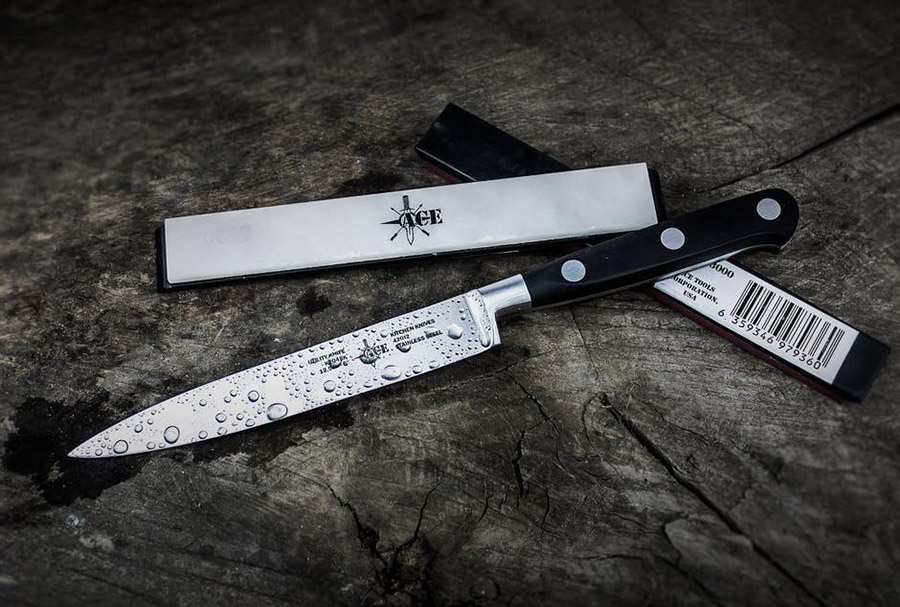
Sharpening the blade can restore performance in many cases. If sharpening does not work, it may be time to look at replacement blade knives for a better cutting experience. Keeping the knife clean and storing it properly can also help maintain sharpness.
2. More Pressure Needed When Cutting
A sharp knife should glide through food with minimal effort. If you notice that you are pushing harder to cut the same items, the blade has likely dulled. This extra force can strain your hands and wrists.
It can also make cutting less precise. Regular honing can delay dullness, but it will not fix a severely worn blade. Knowing when to sharpen or replace the knife will keep your tasks efficient.
3. Uneven Cuts and Ragged Edges
When a blade is sharp, it makes clean, even cuts. A dull knife may leave jagged edges, especially on vegetables or herbs. This can affect both presentation and cooking results.
For example, uneven cuts can lead to inconsistent cooking times. Sharpening tools can help restore the edge if the dullness is not severe. Otherwise, consider upgrading to a better-quality blade.
4. Food Slips While Cutting
If food slips out from under the knife while cutting, the blade might be too dull to grip the surface. This is not only inconvenient but also unsafe. Slippage increases the chance of the knife slipping toward your hand.
Sharp blades hold their line and bite into the food better. A dull knife loses this ability and makes precise cuts harder. Regular sharpening and proper cutting technique can prevent this problem.
5. Blade Feels Rough or Worn
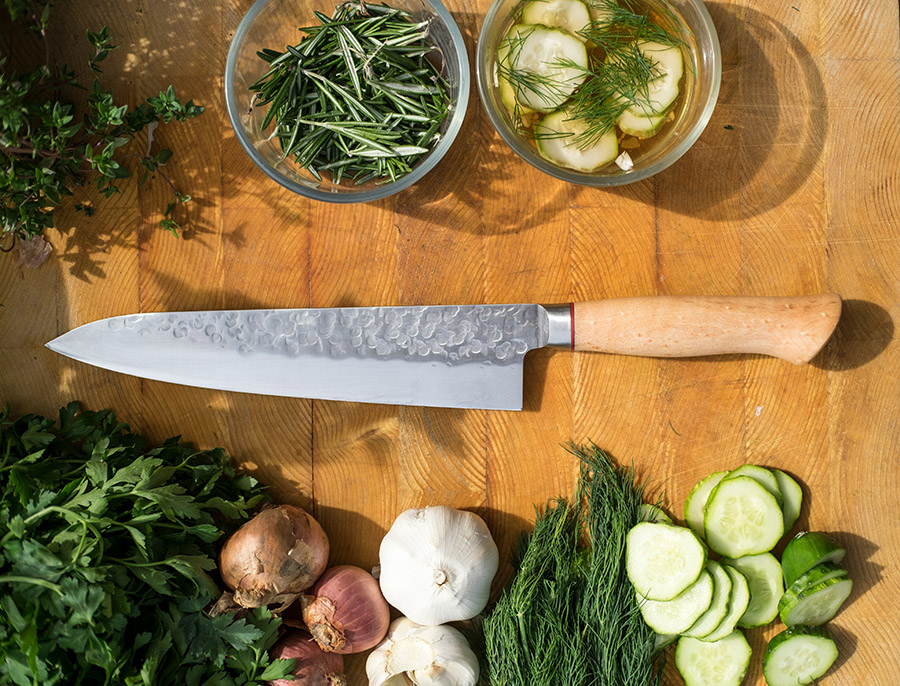
Running a finger carefully along the spine of the knife (not the edge) can sometimes reveal wear. A dull blade may feel uneven, with small nicks along the edge. This is common after frequent use on hard foods or cutting boards.
Small damage can often be fixed with sharpening. Larger chips or warping may require replacing the blade entirely. Inspecting your knife regularly helps catch issues early.
6. Difficulty with Delicate Tasks
Tasks like slicing herbs or trimming meat require precision. A dull knife makes these tasks harder and less accurate. It can crush delicate ingredients rather than slice them. This affects texture and flavor in many recipes.
Sharpening can help restore control for these fine tasks. If dullness continues, it may be time for a new blade.
Know the Signs Your Knife Blade Is Dull and What to Do About It
Recognizing the signs of a dull knife blade helps keep cooking safe and efficient. A sharp knife saves time and improves results. Regular maintenance, including sharpening and proper storage, can extend the life of your blade.
When sharpening is no longer effective, replacing the blade is the best option. A well-maintained knife is an essential tool in any kitchen.
Should you wish to read more, visit our blog!