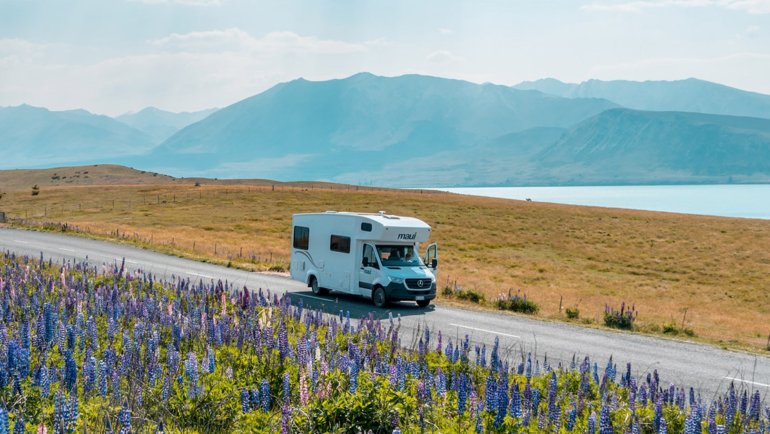
Hitting the trail brings a rush of freedom. You leave behind traffic, screens, and city noise. Still, staying connected out there matters more than people think. Navigation apps guide your path. Messaging keeps family calm. Even quick searches help when you reach an unfamiliar town. The challenge is balancing the call of the wild with the need to stay online.
Plan Before You Leave
A little preparation goes a long way. Many travelers assume they can rely on their standard carrier plans. In reality, roaming charges can eat up your budget. Coverage gaps also cause frustration. A better strategy is to explore digital solutions ahead of time.
For example, when traveling in North America, you can buy eSIM USA packages that match your trip length. These plans often give you flexible data bundles that work immediately. The peace of mind from knowing your phone will connect the moment you land is priceless.

Wi-Fi Stops Along the Way
Public Wi-Fi can be a lifesaver for trail explorers. Many parks, lodges, and cafés near trailheads offer free access. Smart travelers download large files like maps, books, or shows before heading back outside. Wi-Fi also helps with photo backups, saving precious data for when you really need it.
While convenient, it is best to use caution. Always avoid online banking or sensitive accounts when logged into an open network. A good tip is to use a VPN app if you plan to rely on public access points. That small extra step adds a layer of security.
Harness the Power of eSIMs
Carrying physical SIM cards feels outdated. eSIMs have become the modern traveler’s secret weapon. With them, there is no need to search for local shops or worry about losing tiny plastic cards. You simply scan a QR code and activate service within minutes.
For hikers and backpackers, this saves time and energy. No one wants to stand in line at an airport kiosk after a long flight. With eSIM plans, you activate before your boots even hit the trail. That kind of simplicity makes the entire journey smoother. Travelers also appreciate the ability to switch plans easily if coverage shifts between providers.
Manage Your Data Wisely
Even with a good plan, data is not unlimited. Travelers who manage their usage stretch their budgets further. Turning off background updates and disabling auto-play videos helps. Downloading offline maps is another powerful move. Many apps allow you to store directions and points of interest for use without service.
That way, you keep exploring without draining your allowance. Think of your data like water in a bottle. Use it carefully and it lasts the whole trip. Another simple hack is adjusting video quality in streaming apps. Lowering resolution makes a huge difference during long journeys.
Rely on Communication Apps
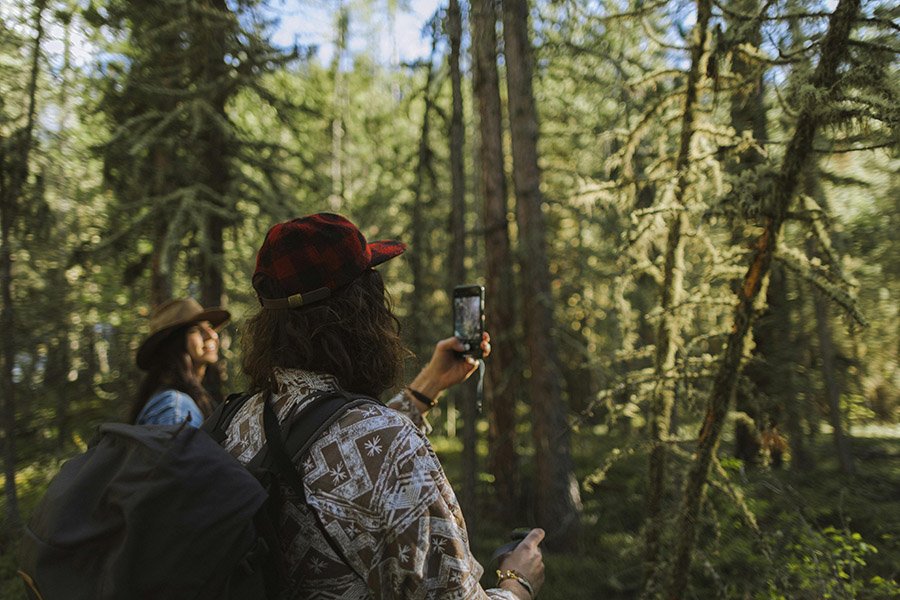
Making calls and sending traditional texts gets expensive quickly. Apps like WhatsApp, Messenger, or Signal keep things affordable. They work well on both Wi-Fi and mobile data. Group chats also make coordination easier if you are hiking with friends. You can share live locations, updates, or even quick photos from the trail.
Communication apps reduce stress while adding a sense of safety. If something unexpected happens, you can still reach help fast. The best part is that most of these apps run smoothly even on weaker connections, which is handy on rural trails.
Portable Gear for Extra Backup
Another trick used by savvy travelers is carrying portable tech. Power banks keep devices charged when outlets are scarce. Compact signal boosters improve weak connections in rural areas. Some even pack lightweight satellite messengers for emergencies.
These tools are not just about convenience. They create a safety net when trails get remote. A fully charged phone with a reliable connection can make the difference in tough situations. For those planning longer hikes, solar chargers provide steady power without adding much weight. Having backup gear may seem like extra effort, but it often brings peace of mind that makes the trip more enjoyable.
Wrapping It All Up
Staying online while traveling the trail does not mean giving up the adventure. It is about using smart tools and habits. Plan your data needs before you go. Use Wi-Fi stops strategically. Embrace eSIM services for simple, flexible connections. Manage your data like a resource, and rely on apps that cut costs. Add portable gear for backup when needed.
With these steps, you keep the freedom of the trail without losing the comfort of connection. That balance makes the journey even more rewarding. The wild stays wild, but you stay safe, informed, and connected every step of the way.