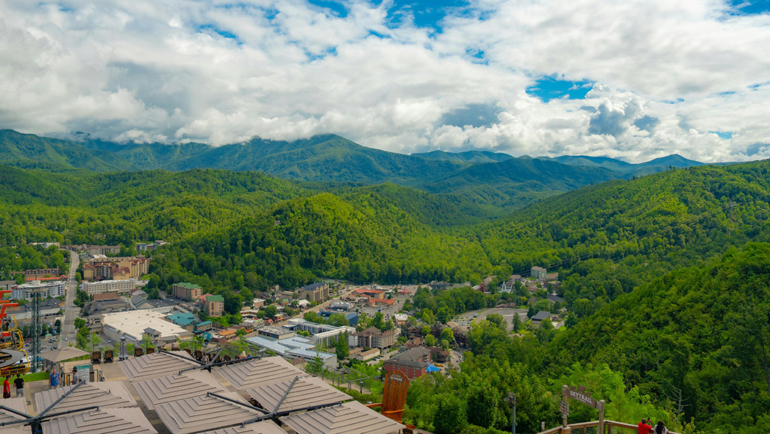
Planning a trip often feels straightforward—until you arrive and realize you missed a few key details. Before you head to Pigeon Forge, it helps to know what actually matters. This guide covers the practical things to keep in mind, so your time there goes to plan and every unexpected moment adds to the experience, not the stress.
Planning Around the Crowd, Not the Calendar
Pigeon Forge runs on tourism. That means the usual rules about “off-season” don’t always apply. With events happening nearly every week and road trips making a serious comeback post-2020, you’re just as likely to find a crowd on a Tuesday in April as you are on a Saturday in July.
Don’t trust assumptions about quiet weeks. Instead, check local calendars for car shows, sports tournaments, or school break overlaps. These small factors can dramatically change what kind of trip you’re about to have. If your idea of a vacation involves shorter lines and easier parking, do your research and aim for weekdays or shoulder seasons.
Also, factor in drive time and road types. Routes into town are scenic but often single-lane and prone to bottlenecks. GPS might tell you it’s a quick trip from your cabin to town, but if you don’t plan for slowdowns, you’ll end up late, hungry, and wondering why the car in front of you keeps pulling over for “just one more” roadside photo.
Once you’re in the right rhythm, though, the experience shifts fast. There’s plenty of space for families, couples, and friend groups to spread out and dive into the mix of shopping, shows, and everything in between. The town is designed for movement and activity, and if you’re open to a bit of flexibility, it’s easy to let go of the schedule and focus on what feels fun in the moment.
And if you’re looking for peak Pigeon Forge fun, few spots pack more excitement into one place than Rowdy Bear’s Smoky Mountain Snowpark. It’s home to the area’s longest and fastest outdoor snow tubing hill—making it a rare blend of adrenaline and laughter that doesn’t depend on age or experience. Whether you’re a planner or a wing-it type, this is one of those activities that adds energy to any itinerary without needing extra explanation. Once you’re at the top of the hill, gravity takes care of the rest.
 Source: Shutterstock
Accommodations: It’s Not Just Where You Stay, It’s What You Get
Before booking a place to stay, ask yourself what kind of trip you’re really taking. A cozy rental with a mountain view sounds ideal—until you realize you’ll be driving 20 minutes just to grab coffee. On the flip side, staying too close to the main strip can mean noise, foot traffic, and neon lights bleeding through your blinds.
Most lodging in the area caters to families, but amenities vary widely. Some offer full kitchens and washers. Others promise those things but leave you with one frying pan and a laundry room that smells like wet carpet. Read recent reviews, not just the star ratings. Look for keywords like “quiet,” “clean,” and “responsive host.” These give you a better picture than the photos, which usually show the one room that got fresh paint.
Also consider parking—especially if you’re hauling gear or traveling in a group. Some smaller places only offer a single space, and overflow parking might be a lot farther than you’d like. It’s not just about comfort; it’s about minimizing stress at the end of a long day of walking, eating, and trying to keep everyone happy.
Dress for Layers, Walk for Miles
Mountain weather changes fast, especially in spring and fall. Mornings can feel like late winter, while afternoons hit summer temps. Pack like you’re preparing for two climates, because you are. Light jackets, breathable layers, and shoes you don’t mind walking in make a big difference.
The town is walkable in sections, but you’ll still be doing more steps than expected. Some areas look flat on a map but hit you with sneaky inclines that wear down even seasoned walkers. Flip-flops and fashion boots may look cute in vacation photos, but your feet will beg for mercy by dinner. Bring shoes that can keep up.
Also, hydration matters. Altitude changes, salty snacks, and sudden temperature swings can add up. Keep water on hand and avoid relying on sweet tea alone to carry you through.

Money Talks, But It Doesn’t Always Warn You First
Costs can sneak up quickly. Between meals, parking, entry fees, and souvenirs that feel like must-haves in the moment, it’s easy to blow through your daily budget by lunchtime. Planning a few splurges is smart. But having a cap for the rest helps keep things from spinning out of control.
Also, while many places accept cards, a few still run on cash or charge extra for digital payments. Bring a bit of both, just in case. And always check for package deals or combo passes when doing more than one activity. These aren’t just sales gimmicks—they can save real money if you’re trying to hit multiple spots in a short time.
Food Planning Makes a Bigger Difference Than You Think
Food lines up with mood. A missed lunch or underwhelming dinner can shift the tone of an entire day. Wait times spike during peak hours, especially for sit-down meals. Make reservations where you can. Or better yet, plan one solid meal at an off-peak time and supplement the rest with grab-and-go or snack stops.
Portion sizes in Pigeon Forge lean heavy, which works great if you’re sharing or saving leftovers. Not so great if you’re trying to fit into hiking gear or squeeze in back-to-back meals. Pacing your appetite helps. So does looking up menus ahead of time to find something that matches your vibe—and doesn’t take an hour to order.
Keep Expectations Loose, Even When Plans Are Tight
Planning helps, but so does knowing when to pivot. Weather, crowds, and your own energy levels all play a role in how a day unfolds. Build your itinerary with space to shift. Leave room for a second wind—or for an early night with no guilt.
Pigeon Forge isn’t about rushing through a checklist. It’s about moments that sneak up on you and stretch out without warning. A lazy breakfast that turns into a mid-morning stroll. A casual plan that turns into a highlight. The more flexible your mindset, the better your trip gets.
Before you pack your bags, just know this: you don’t have to do everything. You just have to do enough to make it feel like a break. And in a place that’s built for comfort and movement, it doesn’t take much to find a rhythm that works. Plan well, stay open, and let the town take care of the rest.