Honduras Travel Guide
Nestled in the heart of Central America, Honduras is a treasure trove of natural beauty and cultural richness waiting to be explored. With its pristine beaches, vast stretches of tropical rainforest, ancient Mayan ruins, and vibrant towns and cities, Honduras promises a myriad of unforgettable experiences.
Whether you’re a history buff, an adventurer, or a wildlife enthusiast, this country has something to captivate your interest. Step off the beaten path and delve into the wonders of Honduras with this comprehensive travel guide.
Quick Info
Capital city: Tegucigalpa
Currency: Honduran Lempira (HNL) – 1 USD = 24.50 HNL
Electricity: Power voltage is 110 Volts. Power sockets type A and B.
Languages: Spanish is the official language.
Fun fact: Honduras (along with Belize) is home to the second-largest coral reef in the world, the Mesoamerican Barrier Reef, which is surpassed only by the Great Barrier Reef in Australia.
10 Handpicked Highlights of Honduras
The dazzling array of attractions in Honduras can make it challenging to decide where to start your journey. That’s why we’ve handpicked these ten highlights that encapsulate the country’s remarkable diversity.
The Ancient City of Copán
Steeped in history and cloaked in mystery, the ancient city of Copán is a must-visit destination for history buffs and culture enthusiasts. Once a thriving Mayan city-state, Copán is today renowned for its remarkably well-preserved ruins.
Wander through the Great Plaza, marvel at the intricately carved Hieroglyphic Stairway, and stand in awe of the towering temples and altars. The city’s rich heritage is encapsulated in its stelae, or stone monuments, which portray the city’s ancient rulers in intricate detail.
Roatán Island
Roatán Island, the largest of the Bay Islands, is a paradise for nature lovers and adventure seekers. Its sparkling turquoise waters are home to the Mesoamerican Barrier Reef, making it a premier spot for snorkeling and diving.
On land, explore the lush tropical rainforest, home to exotic wildlife and breathtaking views. The island is not just about nature; it also offers a variety of activities such as zip-lining, horseback riding, and shopping at local artisan markets.

Lake Yojoa
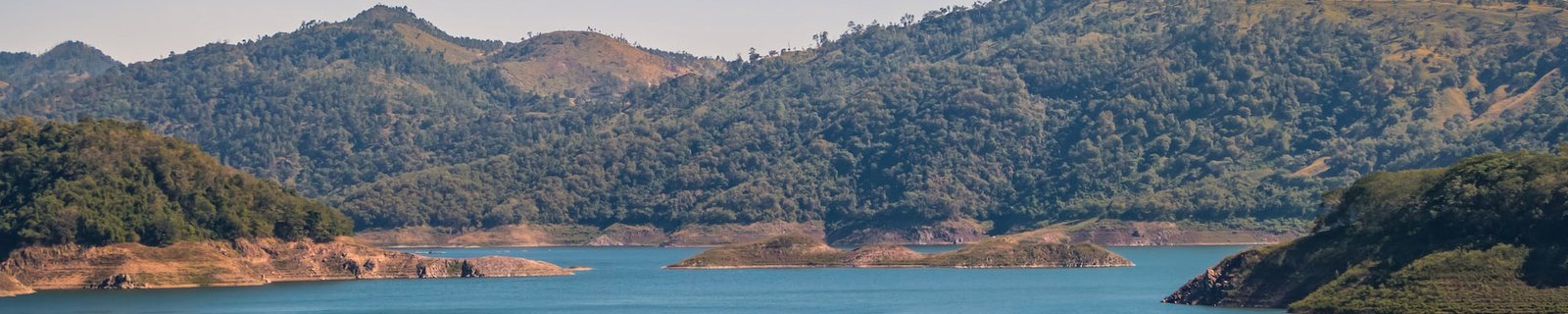
Nestled in a volcanic basin, Lake Yojoa is the largest lake in Honduras and a haven for nature enthusiasts. Surrounded by lush rainforest, coffee plantations, and national parks, it offers a plethora of outdoor activities.
Whether you enjoy birdwatching, hiking, or fishing, Lake Yojoa has something for you. Don’t miss the opportunity to explore the nearby caves and waterfalls for an added touch of adventure.
Pico Bonito National Park
With its rugged terrain, cascading waterfalls, and diverse wildlife, Pico Bonito National Park is an adventurer’s paradise.
The park is home to a variety of ecosystems, from lowland tropical rainforests to cloud forests, each hosting a unique array of flora and fauna. Hiking trails of varying difficulty levels offer stunning views of the lush landscape and the towering peak of Pico Bonito.
Comayagua
Comayagua, a charming colonial city, is a journey back in time. With its cobblestone streets, whitewashed buildings, and magnificent cathedrals, the city exudes a sense of historic grandeur. Its crowning glory is the Cathedral of the Immaculate Conception, home to the oldest functioning clock in the Americas.
Visit during Holy Week to witness one of the most beautiful religious traditions in Honduras – the creation of vibrant, intricate sawdust carpets.
Cusuco National Park
Cusuco National Park, located in the Merendon Mountain range, is a biodiversity hotspot that’s home to an array of endangered species.
The park’s cloud forest habitat is a wonderland for hiking, bird-watching, and wildlife spotting. With several eco-lodges and guided tours available, it’s an excellent destination for those seeking a sustainable and immersive nature experience.
Rio Platano Biosphere Reserve
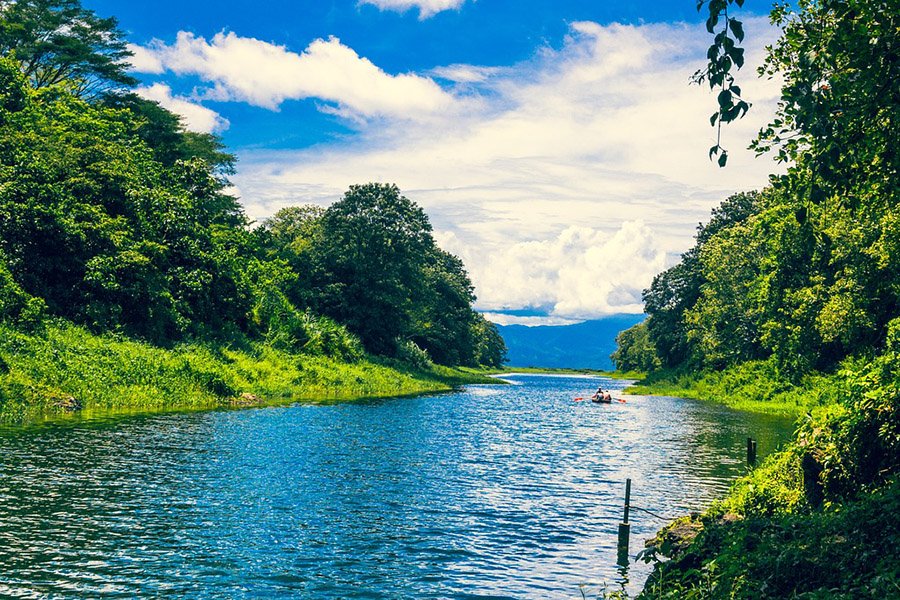
The Rio Platano Biosphere Reserve, a UNESCO World Heritage site, is one of the last tropical rainforests in Central America. This expansive reserve is home to diverse ecosystems, numerous archaeological sites, and several indigenous communities.
Whether by river tours, jungle treks, or visits to native villages, the reserve offers numerous ways to appreciate its natural and cultural wealth.
Utila
The smallest of the Bay Islands, Utila is a hidden gem known for its world-class diving and relaxed Caribbean vibes. Dive or snorkel in the clear waters and explore the stunning coral reefs, abundant marine life, and fascinating underwater caves.
On land, the island’s charming town offers a variety of restaurants, bars, and shops. And don’t miss the chance to spot the majestic whale sharks, which are often seen around the island.
The Garifuna Villages
For an immersive cultural experience, visit the Garifuna Villages along the northern coast of Honduras. Here, you’ll encounter the vibrant Garifuna culture, recognized by UNESCO as an Intangible Cultural Heritage of Humanity.
Enjoy the infectious rhythms of punta music, taste the unique Afro-Caribbean cuisine, and witness traditional ceremonies. This cultural immersion adds a rich layer to your Honduran adventure, making it all the more memorable.

Tegucigalpa
Tegucigalpa, the capital city of Honduras, offers a compelling fusion of colonial charm and contemporary dynamism that engages every visitor. The city’s historic center is a veritable time capsule filled with elegant colonial-era churches, charming plazas, and vibrant markets that brim with local color.
Exploring this area, one can witness the enduring influence of Spanish architecture and appreciate the country’s rich history. As you move towards the more modern neighborhoods, you encounter a contrasting scene of lively bars, cutting-edge galleries, and sophisticated restaurants, reflecting the progressive aspects of Tegucigalpa.
This eclectic mix makes the city an exciting cultural and urban experience, offering something for every traveler’s taste and interest.
These are just a few highlights of what Honduras has to offer. As you journey through this captivating country, you’ll no doubt discover many more. So pack your bags and let the adventure begin!
Honduras’s Geography & Landscapes
Honduras’s geography is varied and beautiful, with landscapes ranging from coastal areas to mountainous regions and lush rainforests:
Caribbean Coast: Stretching for about 700 km, this coastline is lined with beaches, mangroves, and coral reefs. It’s also home to the Bay Islands, known for their vibrant marine life and fantastic diving spots.
Pacific Coast: Much shorter than its Caribbean counterpart, it features the Gulf of Fonseca, which is shared with El Salvador and Nicaragua. This area is known for its striking volcanic landscape.
Central Highlands: This area is characterized by a chain of mountains and valleys, with the highest point being Cerro Las Minas at 2,870m.
Rainforests: Honduras has several national parks and biosphere reserves, such as Rio Platano Biosphere Reserve, which is a UNESCO World Heritage Site, providing shelter to a vast range of flora and fauna.
Plains of Sula: This is the main agricultural region of Honduras, located in the northwest of the country near the Caribbean coast. It’s an area of vast plains and fertile soils.
Best Time To Go To Honduras
While Honduras offers year-round attractions, the country has two primary seasons, which may influence when you choose to visit:
Dry Season (November to April): This is typically the best time to visit as you can explore the country with little chance of rainfall. The temperatures are warm, and the skies are mostly clear, perfect for beach activities and exploring Mayan ruins.
Wet Season (May to October): This period experiences heavier rainfall, particularly in the coastal areas and rainforests. While the rain may disrupt some activities, this is a great time to visit for budget-conscious travelers as accommodation prices tend to drop. Plus, the landscape becomes even more lush and vibrant, and the waterfalls are at their most impressive.

Traveling in Honduras
Staying Safe
While Honduras offers numerous attractions for travelers, it’s also known for its high crime rates, particularly in urban areas. With that said, the tourism industry is well-established, and many visitors have safe and enjoyable trips. Here are 10 tips to stay safe:
- Stick to tourist areas and avoid isolated regions, especially after dark.
- Keep valuables out of sight and don’t carry large sums of cash.
- Use licensed taxis, which can be booked through your hotel.
- Always have a copy of your passport, leaving the original document in a safe place.
- If you’re renting a car, park in a guarded lot whenever possible and never leave valuables in the vehicle.
- Exercise caution when visiting ATMs. Use machines located inside banks or shopping malls.
- Avoid political demonstrations or large gatherings.
- Check travel advisories before your trip and stay informed about the areas you plan to visit.
- Make sure you have travel insurance that covers theft, loss and medical problems.
- Don’t resist in case of a robbery; belongings can be replaced, but your safety is paramount.
Getting to & Around Honduras
Honduras’s main international airport is Ramón Villeda Morales International Airport, also known as San Pedro Sula International Airport. The country also has two other major airports: Toncontín International Airport in Tegucigalpa and Golosón International Airport in La Ceiba.
Inside the country, you can travel between cities via intercity bus services such as Hedman Alas and Cristina.
For local travel, taxis and ‘collectivos’ (shared taxis) are common, but it’s important to negotiate the fare beforehand.
Car rentals are also available, but be aware that road conditions can be challenging, particularly in rural areas.
Accommodation
Honduras provides a variety of accommodation options to suit every budget. In the main cities and tourist areas, you can find international hotel chains, boutique hotels, and all-inclusive resorts, particularly in the Bay Islands.
In more remote or rural areas, expect simpler guesthouses and eco-lodges. Budget travelers can also find a good selection of hostels, particularly in places like Utila.
The cost of accommodation varies, but you can expect to pay around $50-100 USD for a mid-range hotel room. Higher-end accommodations, especially in the Bay Islands, can go over $200 USD per night. It’s always best to book in advance, particularly during peak travel periods.