Bangkok does not politely ask for your attention. It demands it. From the moment you step onto the pavement, the city hits you with a sensory overload of humidity, sizzling street food, and the roar of traffic. For the urban explorer, the Thai capital is not just a destination. It is a puzzle waiting to be solved. While many tourists stick to the riverside temples or the backpacker haven of Khao San Road, the true heart of modern Bangkok beats in Sukhumvit. This is where the city’s energy is most concentrated and where the contrast between tradition and modernity is sharpest.
This sprawling district is often dismissed as merely a commercial hub or a nightlife center. However, if you look past the glitzy malls and gridlocked traffic, you find an intricate network of neighborhoods that offer some of the most diverse urban hiking in Southeast Asia. For those arriving as part of a longer Southeast Asia expedition, Sukhumvit offers a jarring but exciting contrast to the quieter southern provinces or the rail journey up from Singapore. It represents the chaotic climax of a journey through the region.
Establishing Your Base Camp
Exploration in Bangkok is an endurance sport. The heat is relentless, and the walking distances are deceptive. Therefore, your choice of accommodation serves as your strategic base camp. You need a location that offers immediate access to the Skytrain for mobility but remains tucked away enough to provide a quiet respite from the relentless energy of the main road. Finding this balance is key to maintaining your stamina for a multi-day urban trek.
When selecting a hotel in Sukhumvit, look for properties that embrace the “urban oasis” concept. The ideal base is one situated in the lower-numbered Sois (odd numbers Soi 1 through 23), which places you in the center of the action without forcing you to sleep inside a nightclub. Properties like Nysa Hotel Bangkok differ from the standard high-rise chains by offering a resort-like atmosphere within the city limits. Having a pool and a quiet courtyard is not just a luxury here. It is a necessary recovery tool after a day of dodging motorbikes and bargaining in markets.
The Pulse of the Concrete Capital
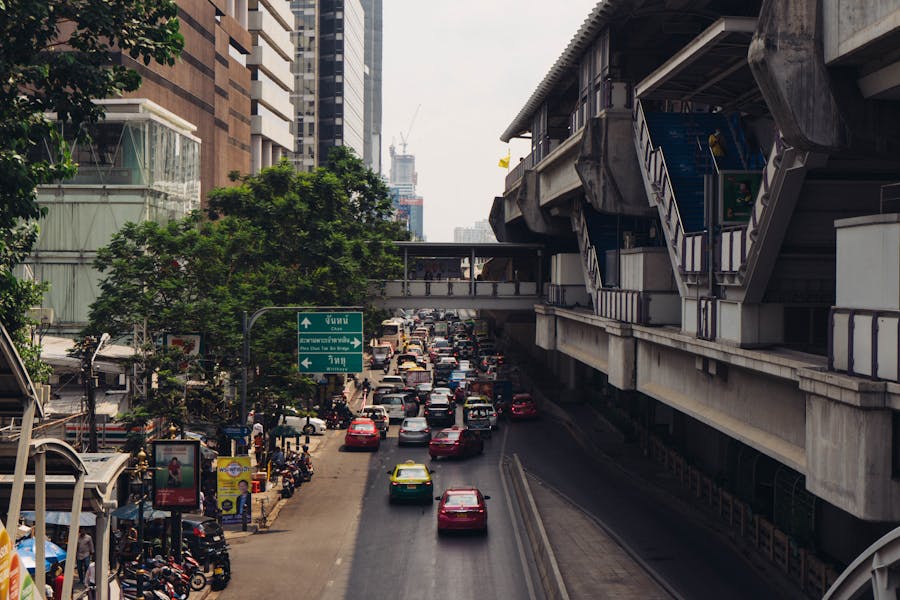
To understand Sukhumvit, you have to understand its scale. It is not just a neighborhood. It is a lifeline that stretches all the way to the Cambodian border. While officially known as Highway 3, one of the country’s major arterial roads, to locals and travelers alike, Sukhumvit is the pulsing vein of the capital. It serves as the primary axis around which the modern city revolves.
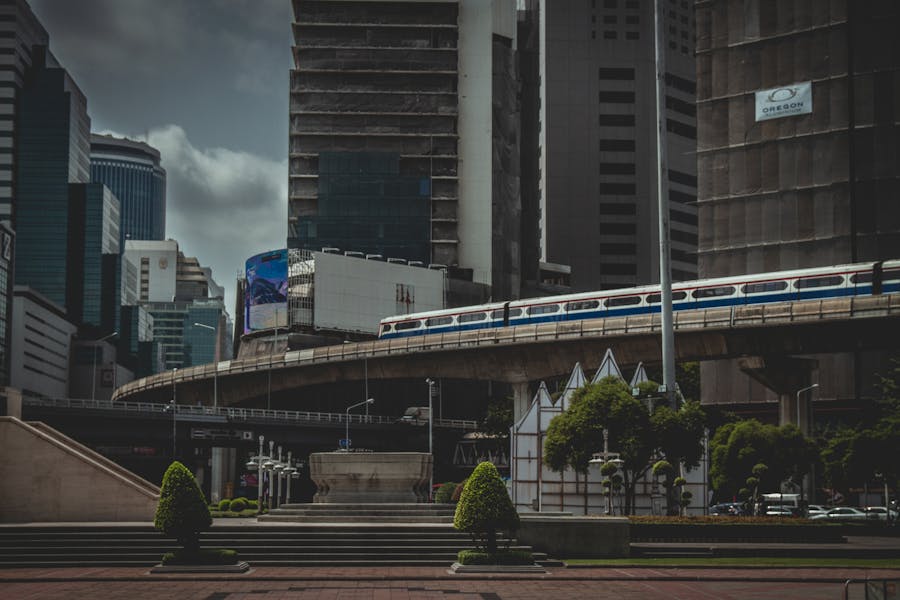
The road itself is a timeline of Thailand’s modernization. What started as a critical infrastructure project named after a chief of the Department of Highways has evolved into a dense corridor where luxury and grit exist side by side. The main road is dominated by the BTS Skytrain track overhead, casting a shadow that offers welcome relief from the blistering sun. But the real adventure does not happen on the main road. It happens in the “Sois,” the numbered side streets that branch off like capillaries, each holding its own secrets and surprises.
Getting Lost in the Sois
The magic of this district lies in its side streets, known as Sois. Each number represents a different micro-culture, and walking between them feels like crossing international borders.
- Soi 11: This is the party street, but if you visit in the morning, you will find incredible street coffee vendors and quiet corners where the city wakes up slowly.
- Soi 3 (Nana): A sensory explosion of Middle Eastern culture. You can find the best kebabs and naan in the city here, surrounded by perfume shops and bustling trade.
- Soi 55 (Thong Lo): Further down the line, this area shifts into a hipster paradise of Japanese izakayas, hidden speakeasies, and vintage clothing stores.
The best way to explore is to simply pick a Soi and walk until you hit a dead end or a canal. You will likely stumble upon ancient teak houses standing defiantly next to glass condominiums, or a vendor selling “Moo Ping” (grilled pork skewers) that tastes better than any Michelin-starred meal.
Survival Tips for the Urban Jungle
Navigating this concrete labyrinth requires street smarts. Traffic in Sukhumvit is legendary for being immobile, so relying on taxis during daylight hours is a rookie mistake. To explore like a local, you need to master the alternative transport network.
- Master the BTS Skytrain: This is your primary mode of travel. It is air-conditioned, fast, and offers a bird’s-eye view of the city layout. Buy a stored-value card to skip the ticket lines.
- Brave the Canal Boats: The Khlong Saen Saep canal runs parallel to Sukhumvit Road. The express boats here are loud, splashed with canal water, and incredibly fast. They offer a glimpse into the “backyard” of Bangkok that few tourists see.
- Utilize Motorcycle Taxis: At the entrance of every Soi, you will see drivers in orange vests. They are the masters of the shortcuts. If you need to get deep into a side street, hop on the back. Just remember to hold on tight and keep your knees in.
- Hydrate Aggressively: The humidity in the concrete canyons of Sukhumvit is higher than in open areas. Convenience stores are on every corner for a reason.
Bangkok rewards the curious. It is a city that hides its best secrets in plain sight, usually down a narrow alleyway or behind a nondescript shopfront. By basing yourself in the heart of Sukhumvit and venturing off the main path, you stop being a tourist and start becoming a part of the city’s chaotic, beautiful rhythm.