Remote work has transformed how we connect with our teams, but keeping everyone motivated and engaged is no longer as simple as it once was. A striking statistic shows that 76% of remote employees report feeling isolated, which can significantly impact not just their productivity but also their overall satisfaction. There are proven ways to bridge that gap and create meaningful connections that truly lift team spirits.
While building a thriving remote culture requires strategic thinking, the most impactful virtual employee engagement often begins with activities that naturally spark collaboration and friendly competition.
Virtual Escape Rooms and Interactive Gaming Tournaments
Digital gaming experiences can transform how distributed teams connect and collaborate. These activities go beyond simple entertainment; they create shared challenges that require teamwork and communication.
Setting Up Cross-Departmental Gaming Challenges
Cross-departmental competitions break down silos and help employees discover colleagues they might never interact with otherwise. You can organize monthly tournaments using platforms like Jackbox Games or custom trivia sessions about your company culture. The key is rotating team compositions so everyone gets to work with different personalities and skill sets.
Leveraging VR Technology for Immersive Team Experiences
Virtual reality platforms like Spatial or Mozilla Hubs allow teams to meet in completely immersive environments. Studies suggest that virtual reality can enhance team bonding and productivity by as much as 30%, offering a unique way for teams to interact and innovate together. These spaces feel remarkably natural for problem-solving sessions or creative brainstorming.
Measuring Engagement Through Gamification Metrics
Track participation rates, completion times, and team feedback scores to understand which gaming formats resonate most. Simple surveys after each session can reveal what’s working and what needs adjustment. Don’t forget to celebrate the winners—recognition drives future participation.

AI-Powered Personalized Recognition Programs
Modern recognition systems can automatically celebrate achievements while maintaining that personal touch employees crave. These platforms work behind the scenes to ensure no milestone goes unnoticed.
Automated Milestone Celebrations and Custom Birthday Cards Online
Platforms that offer birthday cards online and integrate seamlessly with team workflows help ensure thoughtful acknowledgments for work anniversaries, project completions, and special occasions like birthdays. Employees receive personalized digital celebrations with no manual oversight required, ensuring recognition consistency and freeing managers to focus on more strategic initiatives.
Real-Time Peer-to-Peer Appreciation Platforms
Enable colleagues to recognize each other instantly through integrated tools in Slack or Teams. These quick “kudos” moments build a culture of appreciation that doesn’t depend on formal review cycles. The immediacy makes the recognition feel more authentic and meaningful.
Data-Driven Recognition Based on Individual Preferences
AI can analyze how different team members prefer to receive recognition; some love public shout-outs while others appreciate private messages. This data helps managers tailor their approach, making each person feel truly seen and valued.
Personalized recognition addresses individual motivation, yet creating lasting team bonds demands shared virtual environments where organic interactions and spontaneous collaboration can flourish.
Virtual Reality Office Spaces and Digital Twin Environments
Creating persistent virtual workspaces helps remote teams maintain the spontaneous interactions that fuel creativity and camaraderie. These aren’t just meeting rooms—they’re digital extensions of your company culture.
Platforms like Gather or Arthur enable teams to create customized office environments where employees can move around freely and naturally interact with colleagues. These spaces support both focused work and casual conversations, mimicking the natural flow of a physical office.
Hosting Immersive Company Events in VR Environments
Virtual events in VR feel dramatically different from standard video calls. Teams can attend presentations, participate in hands-on workshops, or simply socialize in ways that feel surprisingly natural. The technology removes many barriers that make traditional virtual events feel stilted.
Building Virtual Collaboration Zones for Spontaneous Interactions
Dedicated spaces for brainstorming, casual chats, or quick check-ins help recreate the “water cooler moments” that often spark innovation and creativity. These zones should always be available, allowing team members to connect whenever inspiration strikes.
Virtual collaboration spaces lay the foundation for connection, but teams that thrive remotely also prioritize continuous learning opportunities that keep minds engaged and skills sharp.
Micro-Learning Challenges and Skill-Sharing Sessions
Short, focused learning experiences fit naturally into busy schedules while building team connections through shared growth. These team morale ideas work because they combine professional development with social interaction.
Daily 5-Minute Learning Sprints
Quick daily sessions on topics like industry trends, new tools, or even fun facts create consistent touchpoints for your team. Rotate who leads these mini-sessions to give everyone a chance to teach something they’re passionate about.
Employee-Led Virtual Masterclasses
Your team members have incredible expertise—give them a platform to share it. Monthly masterclasses led by different employees build respect, showcase hidden talents, and create valuable learning opportunities for everyone.
Cross-Cultural Knowledge Exchange Programs
If your team spans different regions or backgrounds, organize sessions where team members share insights about their local cultures, business practices, or unique perspectives. This builds empathy and understanding across your distributed workforce.
While intellectual growth energizes teams, the most resilient remote workforces also prioritize holistic well-being through structured wellness initiatives that address both mental and physical health.
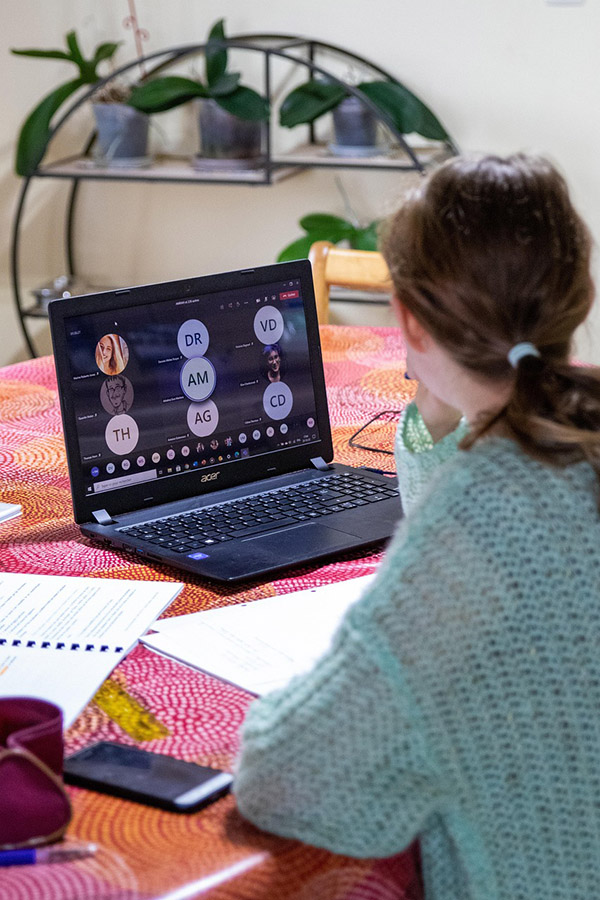
Wellness-Focused Virtual Team Activities
Physical and mental health have a direct impact on morale and productivity. Virtual team activities focused on wellness show employees that you care about their whole person, not just their work output.
Guided Meditation and Mindfulness Sessions
Short guided sessions at the start of particularly stressful weeks can help everyone reset and refocus. Apps like Headspace for Work or Calm for Business offer group sessions that teams can do together.
Virtual Fitness Challenges with Wearable Integration
Step competitions, workout challenges, or yoga sessions create healthy competition while promoting physical wellness. Integration with fitness trackers makes participation easy and results transparent.
Mental Health Check-ins Through Anonymous Polling
Regular pulse surveys help you gauge team stress levels and identify when additional support might be needed. The anonymity encourages honest responses, providing leadership with actionable insights.
Supporting employee wellness creates the foundation for peak performance, but unlocking true innovation requires channels for creative expression and collaborative storytelling that tap into diverse perspectives.
Interactive Storytelling and Creative Collaboration Projects
Creative projects tap into different parts of people’s minds and personalities, often revealing hidden talents and strengthening relationships through shared artistic expression.
Collaborative Digital Art and Design Projects
Tools like Miro, Figma, or even simple shared documents can become canvases for team creativity. Whether it’s designing a company mascot or creating visual representations of team goals, these projects build connections through shared creation.
Team-Based Creative Writing and Storytelling
Collaborative storytelling exercises, where each person adds to an ongoing narrative, can be surprisingly engaging. These activities work well as ice-breakers or ongoing projects that unfold over time.
Virtual Innovation Labs and Idea Incubators
Dedicated sessions for blue-sky thinking and creative problem-solving permit teams to explore wild ideas without immediate pressure for practical implementation. These sessions often generate genuine innovations while building team cohesion.
Creative projects build professional bonds through shared problem-solving, yet the strongest remote team bonding also comes from celebratory events that blend digital innovation with human tradition.
Hybrid Reality Social Events and Celebrations
Combining digital tools with real-world experiences creates memorable moments that feel both innovative and deeply human. These events acknowledge that we’re whole people with lives beyond work.
Synchronized Global Coffee Hours Across Time Zones
Coordinate coffee breaks so team members in different locations can share a drink, even if it’s morning coffee for some and afternoon tea for others. These casual moments build relationships in low-pressure environments.
Virtual Holiday Parties with Augmented Reality Elements
AR filters, virtual backgrounds, and interactive games can make online celebrations feel special and memorable. Send care packages ahead of time so everyone has physical treats to enjoy during digital gatherings.
Digital Scavenger Hunts Connecting Home and Work Environments
Create hunts that blend personal and professional elements, encouraging team members to share aspects of their home life while completing work-related challenges. These activities humanize remote colleagues in delightful ways.
Memorable virtual celebrations create lasting team memories, but strategic leaders need concrete data to understand which employee engagement strategies deliver measurable improvements in morale and productivity.

Measuring Success: Key Metrics for Virtual Employee Engagement
Without proper measurement, even the best engagement activities become guesswork. Smart tracking helps you understand what’s working and where to focus your efforts next.
Real-Time Engagement Analytics and Dashboard Tracking
Modern platforms provide immediate feedback on participation rates, session duration, and interaction quality. These metrics help you adjust activities in real-time rather than waiting for quarterly reviews.
Employee Sentiment Analysis Through AI Tools
Automated sentiment analysis of team communications can reveal mood trends and engagement patterns that surveys might miss. This data helps you spot potential issues before they become serious problems.
ROI Calculation for Remote Team Bonding Initiatives
Track correlation between engagement activities and metrics like productivity, retention, and employee satisfaction scores. This quantitative approach helps justify investment in engagement programs and guides future decisions.
Armed with clear metrics and proven engagement strategies, the next critical step involves creating a structured rollout plan that ensures sustainable adoption across your entire organization.
| Engagement Activity Type | Setup Time | Cost Level | Team Size | Engagement Impact |
| Virtual Escape Rooms | 1-2 hours | Medium | 4-8 people | High |
| AI Recognition Programs | 3-5 days | Low-Medium | Unlimited | Very High |
| VR Collaboration Spaces | 1-2 weeks | High | 6-20 people | Very High |
| Micro-Learning Sessions | 30 minutes | Low | 5-50 people | Medium-High |
| Wellness Activities | 1 hour | Low | 3-30 people | High |
| Creative Projects | 2-4 hours | Low | 4-12 people | Medium-High |
| Hybrid Social Events | 2-3 hours | Medium | 10-100 people | High |
Even the most comprehensive implementation strategy raises practical questions about timing, budget, and execution. Here are answers to the most common challenges teams encounter when launching virtual engagement initiatives.
Building Stronger Remote Teams Through Strategic Engagement
Remote work doesn’t have to mean disconnected teams. The seven strategies we’ve explored, from VR collaboration spaces to personalized recognition systems, prove that distance can’t diminish team spirit when you’re intentional about connection.
The key lies in combining high-tech solutions with high-touch human moments, creating experiences that feel both innovative and authentically caring. Start with one or two approaches that fit your team’s personality, then expand as you see what resonates. Your remote team’s morale and productivity depend on these connections more than you might realize.
FAQs
How often should virtual team activities be scheduled to maintain engagement without causing Zoom fatigue?
Aim for 2-3 structured activities per month, with daily micro-interactions through recognition platforms. Quality trumps quantity. It’s better to have fewer memorable experiences than constant mediocre ones.
What are the most cost-effective virtual employee engagement tools for small businesses?
Start with free tiers of recognition platforms, use existing video tools creatively, and focus on peer-to-peer activities. Many effective engagement strategies cost time rather than money.
How can virtual engagement activities accommodate the diverse time zones of global teams?
Record sessions for later viewing, rotate meeting times fairly, and create asynchronous activities, such as digital art projects or ongoing challenges, that don’t require simultaneous participation.