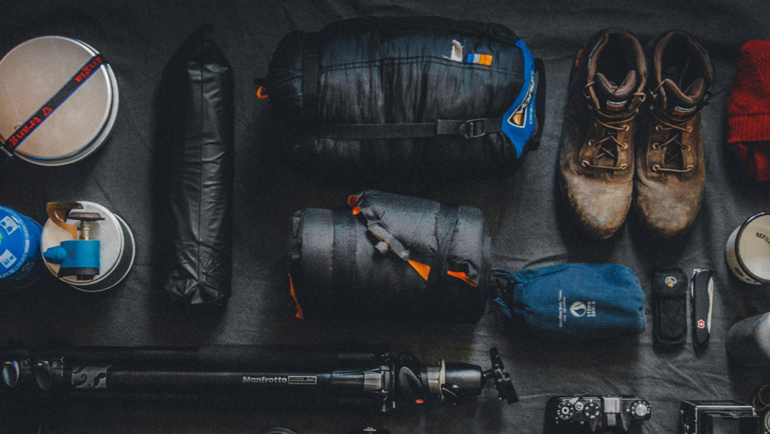
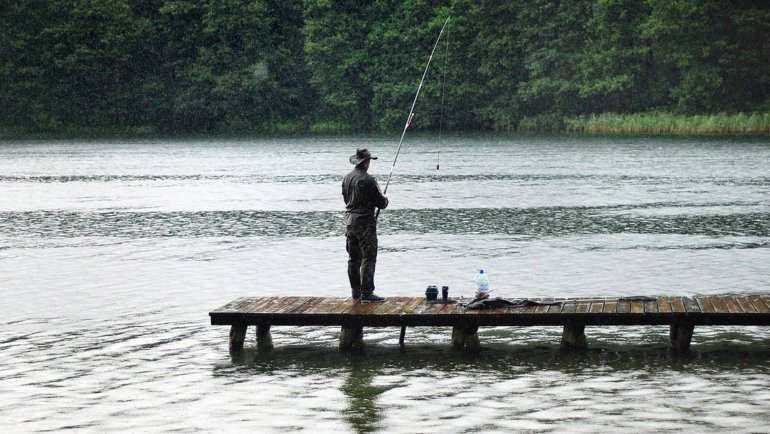
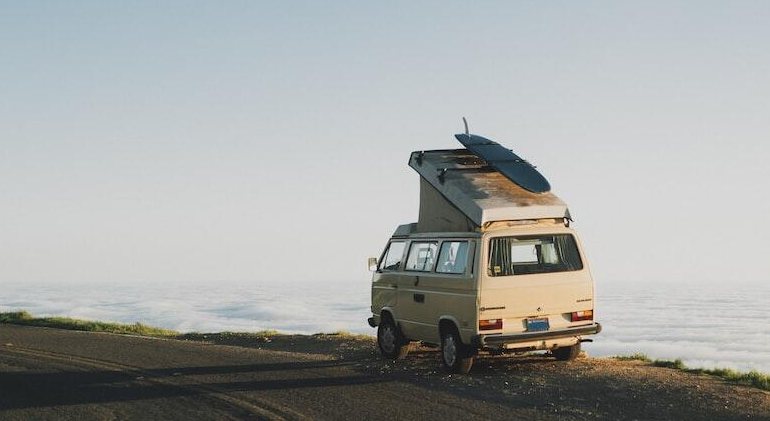
A Saturday summit you squeezed between flights. A misty boardwalk in a cloud forest. A cobblestone climb to a medieval lookout after a sudden downpour. Travel has a way of throwing every surface and forecast at your feet. That’s where waterproof hiking boots earn their ticket: they keep you moving when the map says “trail,” the weather says “try me,” and your itinerary says “no time to wait it out.”
The modern traveler’s life is a constant series of transitions. You might step off a long-haul flight and immediately find yourself navigating a slick city street en route to a rental car, then hours later be scrambling over a rocky, dew-soaked path. The right footwear provides the confidence to tackle this diversity of terrain without a second thought.
A well-chosen pair of waterproof hiking boots is an investment in freedom, ensuring that your plans—whether a two-day weekend escape or a two-week multi-country tour—are never at the mercy of the elements.
Why Waterproof Matters: The First Rule of Travel-Ready Footwear
The decision to choose a waterproof boot hinges on a simple truth: if there’s any chance of encountering moisture—be it rain, snow, puddles, or even heavy morning dew—the added protection is a non-negotiable. This is particularly true for shoulder seasons (spring and fall), rainforest routes, glacier viewpoints, and any mixed-weather itinerary where rain is a “when,” not an “if.”
For these conditions, a waterproof membrane (like Gore-Tex, eVent, or a brand-specific alternative) is a game-changer. These are highly engineered barriers, essentially a thin layer of material with microscopic pores. These pores are too small for water droplets to get in but large enough for water vapor (sweat) to escape. The membrane is then integrated into the boot’s construction and—critically—all seams are sealed to prevent any water from seeping through.
However, it’s essential to understand the trade-offs. Waterproofing, by its very nature, reduces breathability. For hot, arid trips where rain is highly unlikely, a water-resistant or unlined mesh hiking boot can be a better choice. These boots are lighter, cooler, and faster-drying should they get wet from a stream crossing or an unexpected sprinkle.
Travel tip: If your trip spans vastly different climates, consider a strategic packing solution. Rely on your waterproof pair for wet, cold, or unpredictable conditions, and pack a thin, ultra-light pair of trail runners for dry days and town use. This allows you to tackle any condition while keeping your overall luggage weight in check.
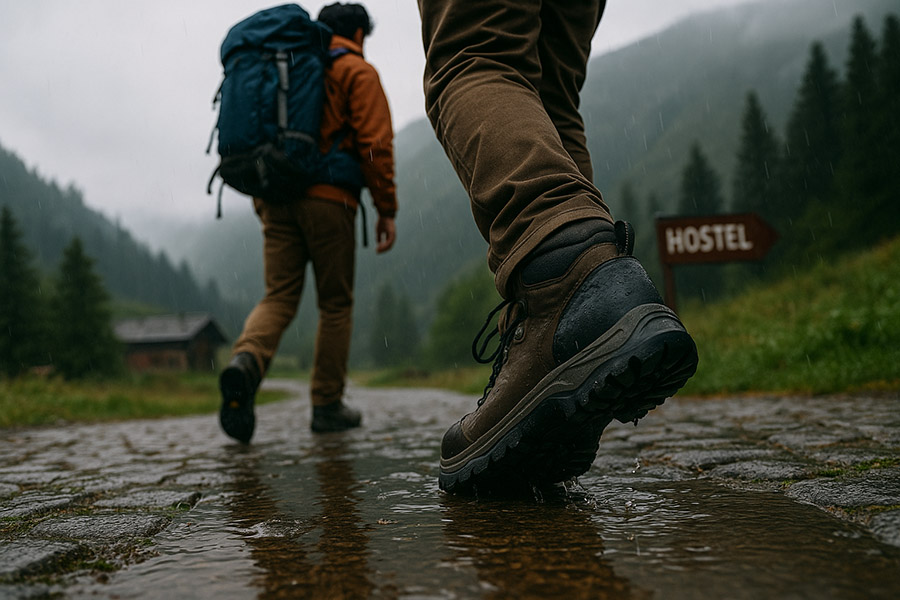
What Makes a Boot Travel-Ready?
- Membrane + seam sealing keep rain out while letting sweat escape on long sightseeing-to-summit days.
- Leather/synthetic hybrids balance durability and pack weight (full-grain ages well; synthetics dry faster overnight in hostels).
- Toe caps & rands guard against bus steps, scree, and curb scuffs that can eat away at boots before the trek even starts.
Packability note: mid-cut boots with softer cuffs sit more neatly in a duffel; stuff socks inside to save space.
Traction for Real Travel Surfaces (Not Just Trails)
- 4–5 mm lugs bite mud and forest duff without feeling clunky in town.
- Softer rubber blends cling better to rain-darkened stone and ferry ramps; firmer compounds last longer on city pavements.
- Multi-directional patterns add braking control for steep descents and damp stairways to castles (yes, really).
When reading hiking boot reviews, look for notes about wet-rock grip, which is crucial for navigating waterfalls, coastal paths, and misty viewpoints.
Fit and All-Day Comfort (Miles Start with Minutes)
Try it in the late afternoon with the socks you’ll be wearing for hiking. You want a locked-in heel, secure midfoot, and wiggle room up front. For the best hiking boots for men and the best hiking boots for women, the molds used to create them are often different to account for anatomical differences, such as the narrower heels found in many women’s feet. Zoned lacing helps fine-tune pressure before big stair climbs or summit pushes. The most comfortable hiking boots are the ones that disappear on your feet.
Weight vs. Support: Match Your Itinerary
The best boot for your trip depends on the demands of the terrain and the weight of your pack.
- Lightweight hiking boots / top hiking shoes: These are perfect for weekend city-to-trail escapes, hut-to-hut routes with small daypacks, or fastpacking on well-maintained trails. They offer great comfort and are easy to pack, but they lack the support for heavy loads or technical terrain.
- Midweight all-rounders (your “best waterproof hiking boots” sweet spot): This is the ideal choice for most travelers. These boots provide enhanced underfoot protection thanks to a stiffer midsole and rock plate, making them suitable for scree slopes, lava rock, and via ferrata approaches. They can handle a moderate-sized backpack and are durable enough for extended travel.
- Backpacking boots: These are the heavy-duty workhorses of the trail. Featuring very stiff midsoles and superior torsional control, they are designed for multi-day loads, often with a tent and gear. They are essential for ambitious routes, such as Patagonia circuits or Scottish Munros, but may be overkill for a casual traveler.
Pro Tip: Ask yourself, ‘What will you carry most days?’ Choose support for that, not for the one outlier hike. A boot that is comfortable for 95% of your trip is better than one that is only comfortable for a single, difficult day.
Warm-Weather Reality: Waterproof vs. Breathable
Even the best waterproof hiking boots run warmer than unlined mesh. Beat the heat with wicking socks, ventilated insoles, and breathable leather/textile uppers. For tropical trips, consider water-resistant hiking boots that shed brief showers but breathe better between storms.
Care on the Road (Hostels, Huts, and Buses)
- Rinse mud in a sink/shower; brush grit from seams (clogged pores = damp boots).
- Air-dry with the insoles removed; use a boot dryer, if available, rather than radiators or direct heat.
- Reapply water-repellent spray when water stops beading.
- In some countries, biosecurity checks require clean soles and scrubbing of lugs before flights and crossings.
Pro move: stash a pair of ultra-light camp shoes; your feet and hostel floors will thank you.
Buyer’s Checklist for Travelers (2025)
- Waterproofing: Seam sealing + membrane verified
- Traction: Wet-surface grip credentials (reviews help)
- Fit: Snug heel, secure midfoot, toes free on descents
- Weight/Support: Align with pack and terrain
- Upper: Leather for longevity, synthetics for fast drying
- Care Kit: Brush, mini waterproofing spray, spare insoles/socks
Start Your Search
Start your search for the best waterproof hiking boots by considering what your average trip looks like, not your most extreme. Ready to gear up for everything from rainy weekends to ambitious routes abroad? A well-chosen boot is your first step toward an unforgettable adventure.