Every year as the winter holidays approach, a specific kind of fever takes over Spain. It isn’t just about the lights or the turrón. It’s about “The Fat One”—Sorteo Extraordinario de Navidad. While other lotteries brag about astronomical, winner-take-all jackpots that turn one person into a billionaire, El Gordo is different. It’s huge, yes—boasting a prize pool that often exceeds 2.7 billion euros—but it isn’t designed to create a single, lonely tycoon. It’s designed to be shared.
A Tradition of Togetherness
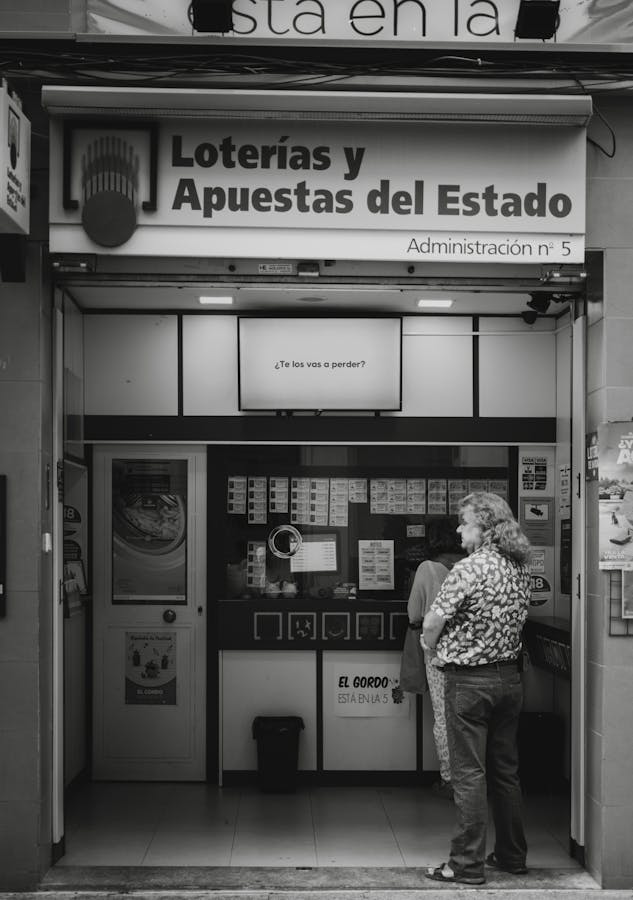
This sense of community is visible everywhere. Walk into any tapas bar in Madrid or a small bakery in Seville during the weeks leading up to the draw, and you’ll see the same thing: groups of people huddling over small paper tickets. You might wonder why someone would buy a ticket with ten coworkers or their entire extended family rather than playing alone.
The answer lies in the very DNA of the game. Because El Gordo is built on the spirit of sharing, the game is structured around “décimos”—fractions of a full ticket that make participation accessible to everyone. This is what transforms a simple gamble into a uniquely social phenomenon. Since a full ticket (a billete) is quite expensive, the vast majority of people buy a décimo, which is one-tenth of a ticket.
If that number wins, everyone holding a slice of it wins together. It’s common for entire villages, sports clubs, or neighborhood associations to buy up all the décimos of a single number. When that number hits, the celebration belongs to the whole town. It’s less about “I won” and more about “We won.”
The Mechanics of the “Fat One”
The draw itself is a captivating marathon spectacle, broadcast live and spanning several hours. Children from the San Ildefonso School sing out the numbers and the corresponding prizes in a rhythmic, haunting chant that has become the definitive soundtrack to the Spanish holiday season.
- The Odds: Your chances of winning the top prize are actually much higher than in games like Powerball or Mega Millions—roughly 1 in 100,000.
- The Prizes: While the top prize per décimo is around 400,000 euros, there are thousands of smaller prizes, ensuring that a huge chunk of the population gets a little “Christmas bonus.”
- The Distribution: Because the same number is sold in multiple series, the wealth is spread geographically and socially rather than pooling in one person’s bank account.
The Psychology of the Play
There is a certain madness to it, I suppose. People will wait in lines for hours outside famous lottery shops like Doña Manolita, believing some places are “luckier” than others. Is it logical? Probably not.
But then again, dealing with money and luck isn’t just arithmetic; it’s often psychology dressed up in numbers. We don’t play just for the payout; we play for the shared hope. There is a deep-seated fear in Spain of being the only person in your office or friend group who didn’t buy a share of the winning number. That “social FOMO” is a powerful engine.
It’s a beautiful, chaotic, and deeply human tradition. Even if you aren’t in Spain, the story of El Gordo reminds us that some things are just better when they’re split with friends.
What do you think—would you rather win a massive jackpot alone, or a smaller share alongside your entire neighbourhood? Let us know in the comments!