Riding through open country with your horse brings a sense of freedom that few experiences match. The sound of hooves on dirt, the scent of pine, and the changing light across the landscape make every mile unforgettable. Each climb and river crossing shows how much trust and preparation matter.
Traveling side by side creates quiet moments that stay with you long after the trek ends. You learn to read your horse’s pace, to rest together, and to meet challenges as a team. Every journey becomes a lesson in patience, awareness, and shared discovery.
Pre-Trail Conditioning and Fitness Preparation
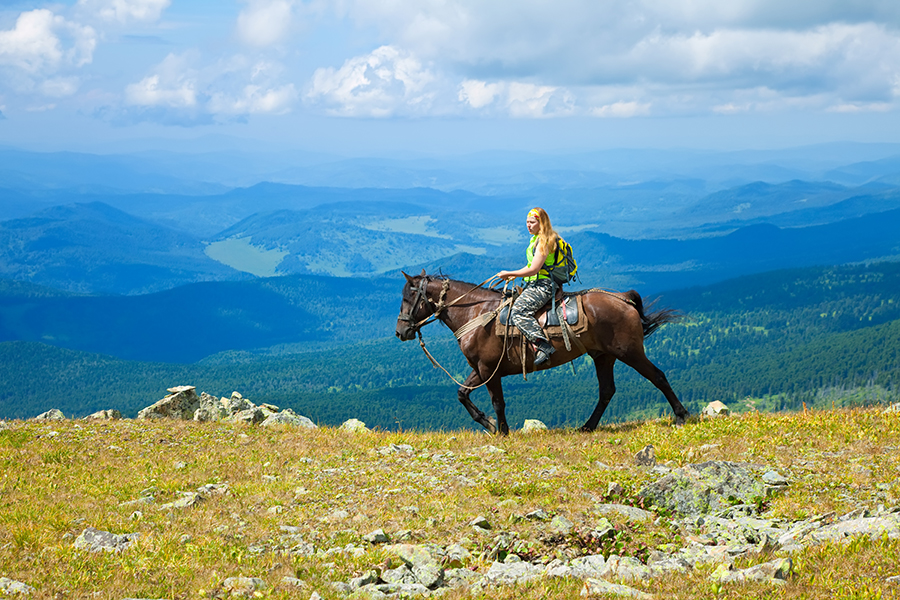
A long trek demands a horse that’s fit, balanced, and mentally ready. Begin training several weeks ahead by extending rides and mixing terrains. Include hills and varied footing to build strength and stamina. Gradually add distance so muscles, tendons, and lungs adapt without strain.
Schedule a full veterinary check before departure. Confirm vaccinations, dental health, and parasite control are current. Inspect hooves for cracks or tenderness and ensure shoeing or trimming suits the terrain ahead. Check saddle fit and padding carefully, as pressure points can cause soreness miles from help.
Preparation builds trust and endurance. A horse trained for long hours on uneven ground stays calmer, steadier, and easier to manage when the trail grows demanding. Proper conditioning transforms an outdoor adventure into a safe, confident experience where both rider and horse perform at their best.
 Source: Freepik
Nutrition, Hydration and Rest-Stop Strategy
Your horse needs steady fuel to handle long days on the trail. Pack high-quality forage and grains that match their energy output. Avoid sudden diet changes before departure, as they can upset digestion. Offer small, frequent feedings instead of heavy meals to keep energy consistent throughout the day.
Access to clean water is vital. Plan routes around natural water sources or carry collapsible buckets for refills. A horse that drinks regularly avoids dehydration and fatigue. On hot or humid days, add oral electrolytes to replace minerals lost through sweat and keep hydration levels stable.
Joint health plays a big role in endurance. A balanced diet rich in trace minerals and proper supplements can help maintain healthy cartilage and ease stiffness, especially during extended rides. Combine that with steady pacing and frequent rest stops to support long-term mobility. During overnight breaks, remove gear and allow your horse to stretch and graze freely before continuing the journey.
Monitoring Health and Comfort on the Trail
Long-distance riding puts constant pressure on your horse’s muscles, joints, and hooves. Take a few minutes each morning and evening to run your hands along their legs, back, and girth area. Look for swelling, heat, or rubbed spots that can turn into sores if ignored. Check gait as they move off. Any uneven step may signal fatigue or pain.
Pay attention to behavior changes. A normally eager horse that slows down or pins its ears might be sore or tired. Adjust your pace or lighten the load when needed. Clean hooves daily to remove stones or packed mud that could cause bruising. Keep an eye on shoe wear, especially on rocky or uneven paths.
Trail conditions shift fast. Sun, wind, and insects all affect your horse’s comfort. Use fly spray, shade breaks, and lightweight blankets to protect skin and coat. Regular checks and small adjustments prevent minor issues from turning into major setbacks on the trail.
Tack, Load Management and Terrain Considerations
Balanced packing keeps your horse comfortable through changing terrain. Distribute weight evenly on both sides and secure every strap to prevent shifting. Test the load before setting off, then walk a short distance to see how it rides. Uneven or loose gear can rub, strain muscles, or throw off balance during climbs or descents.
Match your tack to the landscape. Choose padding and cinches that prevent chafing in heat or moisture. When crossing steep or slippery ground, lighten the load and shorten daily travel time to reduce stress on joints and hooves. Adjusting gear for each condition protects both endurance and safety.
Watch how your horse moves as the terrain changes. Deep sand, rocky paths, or river crossings each challenge stability differently. Pause to tighten, loosen, or rebalance gear when needed. Consistent attention to comfort ensures a smoother ride and a stronger partnership throughout the journey.
Choosing Safe Campsites for Overnight Stays
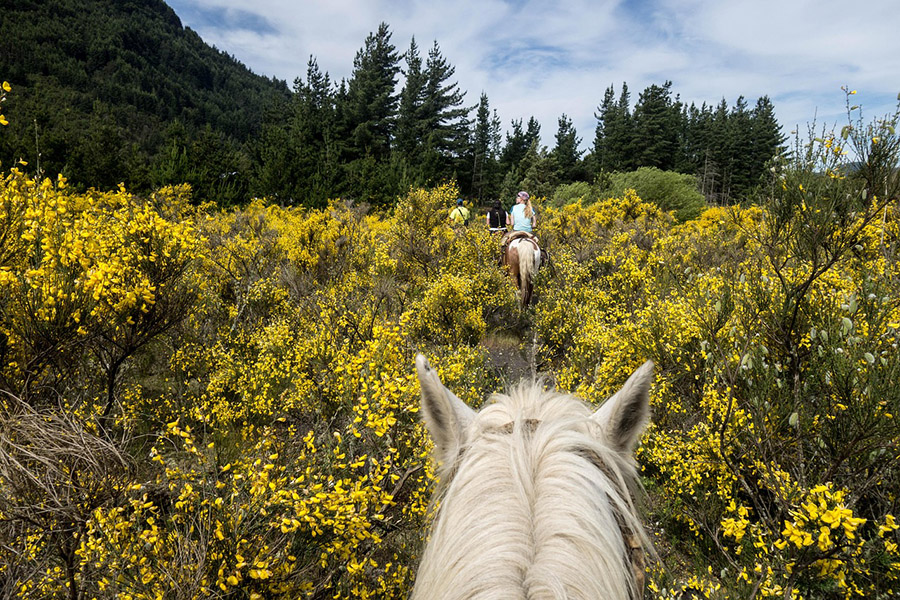
Where you stop for the night can shape your horse’s recovery and the next day’s ride. Look for flat, dry ground that drains well after rain. Avoid rocky areas or thick brush that could cause injuries while your horse moves or lies down. A spot near clean water is ideal, but make sure the area isn’t too close to a fast stream or muddy bank that could collapse.
Check the surroundings before you unpack. Clear away sticks, sharp rocks, or tangled roots that could trip or bruise your horse. If you’re camping in an unfamiliar area, scout for signs of wildlife activity or unstable footing. When planning for wild camping, ensure you understand local regulations and choose areas where horses are permitted. Set up portable fencing or tie lines at a safe distance from your sleeping area so your horse can graze and rest without risk of entanglement.
At night, ensure your horse stays calm and secure. Keep hay and water close, check knots and ties before dark, and maintain a soft light source if they spook easily. A well-chosen campsite supports relaxation and helps your horse begin the next morning refreshed and ready for the trail ahead.
Emergency Preparedness and Recovery After the Trek
Even with careful planning, things can go wrong on the trail. Keep a first-aid kit with bandages, antiseptic, a hoof boot, and cooling liniment. Know how to use every item before you need it. Learn basic wound care and recognize early signs of strain or dehydration so you can respond fast. Quick action can prevent minor issues from becoming serious problems.
If an injury happens far from help, find a safe spot for rest and call a vet as soon as possible. Keep your horse calm, hydrated, and shaded until professional care is available. Staying composed helps your horse stay relaxed too.
When the expedition ends, let your horse recover gradually. Offer light exercise, plenty of water, and good feed. A slow return to regular work allows muscles and joints to heal. Reviewing what worked and what didn’t prepares both of you for smoother rides ahead.
Wrapping Up
Every long ride tells its own story. The early mornings, the quiet breaks by the stream, and the long climbs that test your bond all become part of the adventure. You start to see how much your horse gives with each mile and how much your preparation matters once you’re far from home.
When you travel with awareness and patience, the journey becomes more than distance. You learn to read the land, trust your partner, and move together through each change in terrain. Those shared moments of dust, wind, and open sky stay with you long after the trek ends.