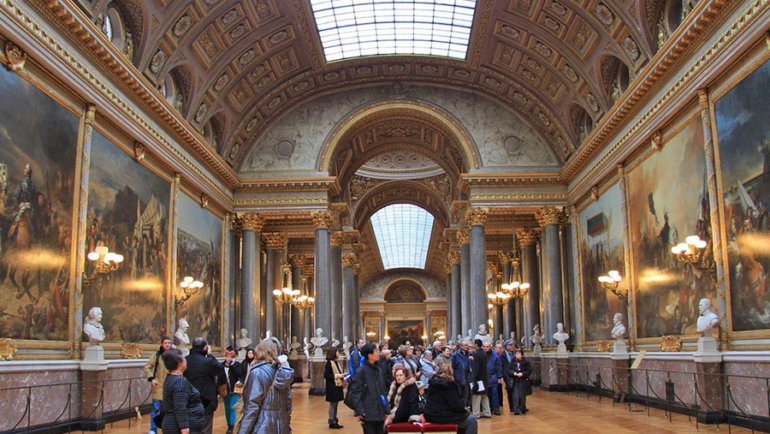
Dining rooms have long been a reflection of cultural values, and today they serve as a canvas for creating an exceptional experience. Guests want more than a meal; they want to remember where they sat, what they saw, and how it felt. Nearly seventy percent of diners consider design as essential as the menu, demonstrating the powerful impact of interiors on shaping a reputation.
The Edwardian era, spanning from 1901 to 1910, set a high standard for interiors characterized by warmth and refinement. Ornate details, jewel-toned fabrics, and polished woodwork defined the era of hospitality during this period.
Modern designers are reviving these qualities, with restaurant booths serving as a central element. These seats are more than practical; they increase capacity by as much as thirty percent, improve comfort, and drive loyalty. A five percent increase in retention can nearly double profits, showing why design investment pays off.
Edwardian Style at a Glance
What distinguished Edwardian style was not just the materials but the harmony in how they were arranged. Deep-stained woods like oak and walnut became common, grounding dining spaces with richness and depth. Velvet and leather were chosen not only for durability but also for the tactile luxury they brought.
Balance mattered deeply to this aesthetic. Symmetry in seating layouts, paired with carved trim and brass accents, mirrored the discipline of gentlemen’s clubs and manor houses. Interiors glowed under the soft wash of sconces and wall lamps, evoking the ambiance of candlelight and making rooms appear both welcoming and refined.
Patterns inspired by tapestries, along with warm palettes of ruby and forest green, tied the look together. These choices created a sense of exclusivity that remains timeless.
Booth Design Materials That Evoke Edwardian Splendor
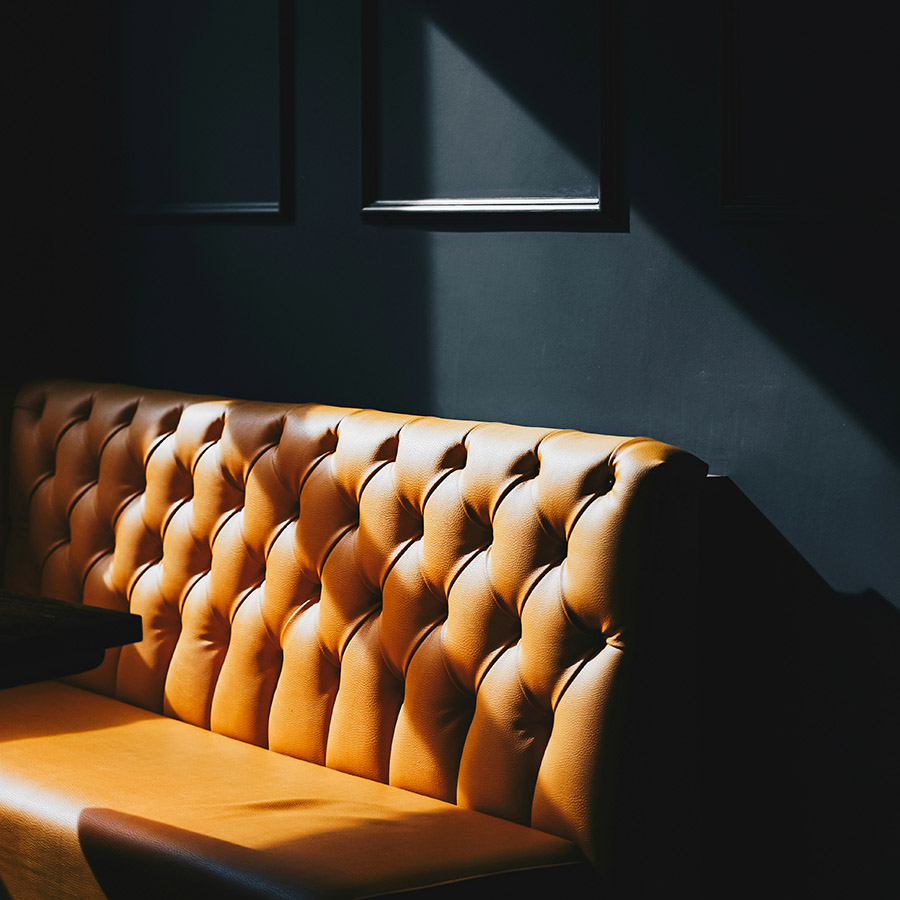
Materials define the story a booth tells. Hardwood stained to rich tones immediately recalls the paneling of Edwardian dining rooms. Upholstery in colors like sapphire or emerald can transform a corner into a jewel box, while brass accents provide the gleam of authenticity.
The layering of textures also plays a role. Marble inserts, polished stone edges, or inlaid motifs echo the handcrafting of a bygone age. Leather that ages with patina carries its own narrative, deepening character over time. For all their beauty, hardwood booths also offer practicality, often lasting fifteen to twenty years if properly cared for.
Fabrics such as brocade and damask, updated with stain-resistant technology, add flair without losing resilience. The result is a booth that communicates history while standing firm in modern service.
Craftsmanship and Detailing: Bringing History to Life
Edwardian elegance comes alive in the details. Button tufting creates both visual depth and physical comfort, while carved motifs bring artistry into everyday seating. Booths with curved silhouettes recall banquettes, softening lines and adding intimacy.
The method of construction also matters. Combining hand-finished touches with modern production ensures that historical detail is not compromised by efficiency. Nailhead trim, subtle yet commanding, adds credibility to the design. Perceived value rises when craftsmanship is evident, and studies show it can increase by over forty percent.
Additional touches such as piping, welt cords, and bespoke carving add to this impression. High backs and winged sides, drawn from historic styles, contribute privacy and a sense of grandeur that still feels right in today’s dining rooms.
Modern Comfort Meets Edwardian Inspiration
While historic design sets the tone, comfort ensures return visits. Ergonomic support can be discreetly incorporated into traditional silhouettes, providing booths with both elegance and usability. Modular panels enable cleaning or replacement without dismantling the entire seat, a practical feature for busy restaurants.
Modern fabrics and finishes protect against spills while maintaining the look of brocade, velvet, or damask. Lighting too has evolved; Edwardian-style sconces can now hold soft LED bulbs, lowering costs while maintaining warmth. Storage compartments tucked away inside booths offer clever solutions, and flexible sizing adapts to different layouts.
Diners value comfort highly, with eighty percent saying it determines whether they return. Subtle details such as hidden USB ports, discreet outlets, and adjustable cushioning provide convenience without disturbing the period look. This blend of old and new proves that luxury and function can co-exist seamlessly.
Designing Spaces That Balance Nostalgia and Innovation
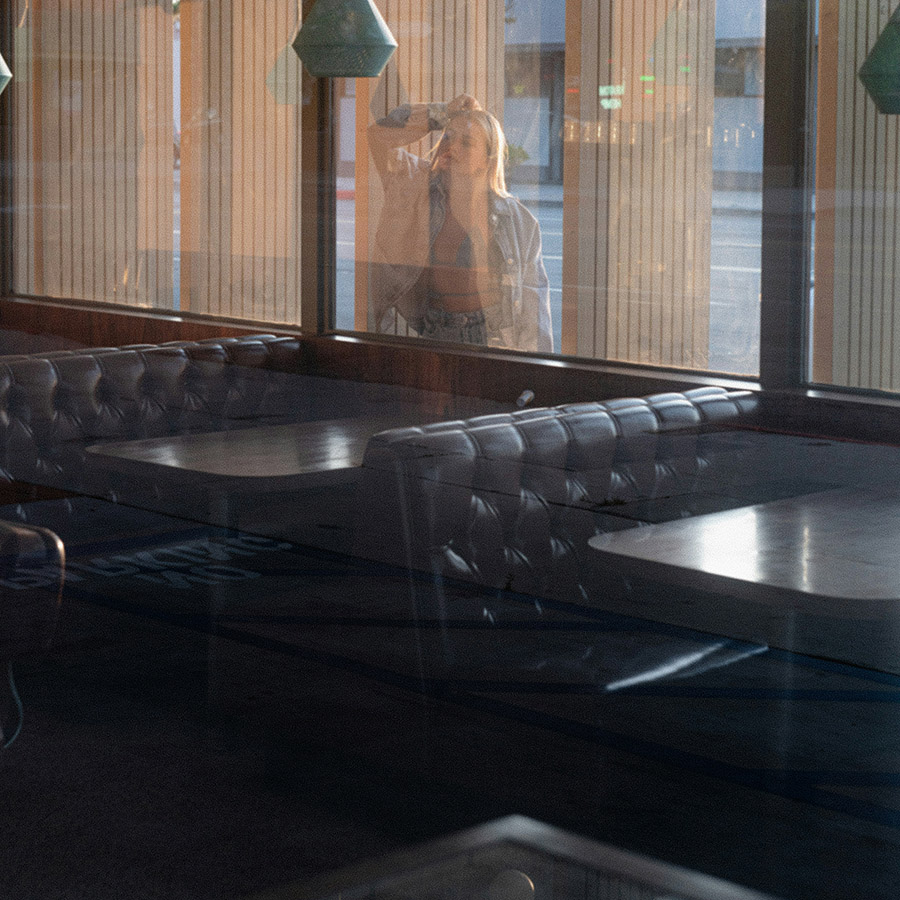
A booth’s placement shapes the way guests experience a room. Positioning them against paneled walls enhances intimacy, while alcoves evoke the exclusivity of manor dining halls. Designers can evoke the Edwardian era through symmetrical layouts or create drama by mixing ornate booths with minimalist tables.
The atmosphere is completed through the details of lighting, artwork, and flooring. Unique design elements foster loyalty, with some studies showing increases of up to thirty percent when a restaurant establishes a clear identity. Privacy screens and curtains add a theatrical layer, while classical music softly playing reinforces a sense of nostalgia.
Offering variety helps too, with open booths designed for sociability and closed ones delivering seclusion. These touches create balance, making the space both nostalgic and innovative.
Heralding Timeless Elegance: Booths That Bridge Eras
Edwardian-inspired booths are not simply pieces of furniture; they are invitations to step into history while enjoying the comforts of the present. Hardwood frames, jewel-toned fabrics, brass accents, and meticulous craftsmanship blend a century-old style with modern hospitality. Combined with ergonomic seating and contemporary features, they create spaces that resonate deeply with today’s diners.
These booths become icons within a restaurant, embodying character and permanence. They elevate interiors by offering more than a seat, creating experiences guests will remember long after their meal ends. Restaurateurs who invest in such designs build not just revenue but loyalty, as diners return for the comfort and elegance woven into every detail. Blending the richness of the past with the needs of the present, Edwardian booths prove that true hospitality can bridge eras with grace and timeless appeal.