France is a beautiful old city with multiple architectural marvels. For years, it has been a top destination for honeymooners and other travelers. However, did you know that France is increasingly becoming an excellent destination for remote workers and digital nomads?
It offers a rich blend of culture and flexible visas for those who want to move in. But before you pack all your belongings and move to France, there are some considerations you should make.
Before relocating to France
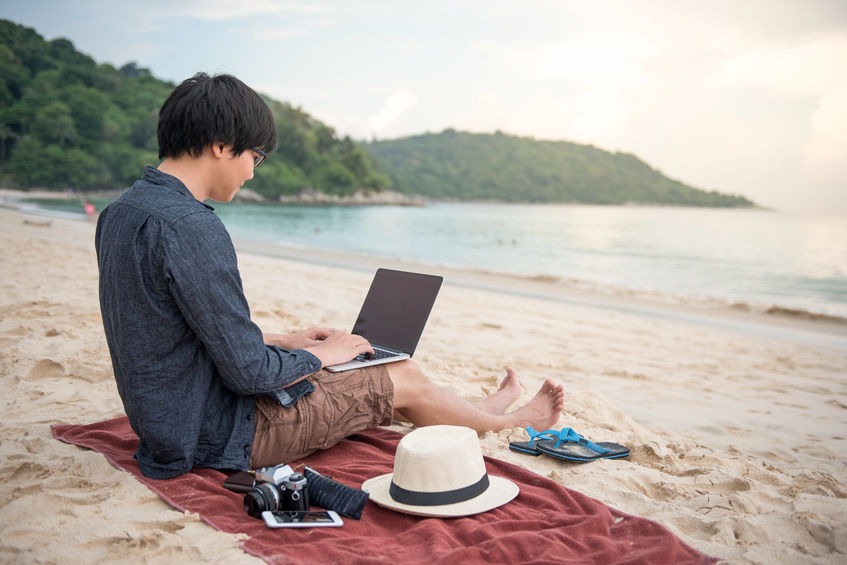
Let’s dive into the considerations before relocating to France. But first, we need to consider the difference between remote workers and digital nomads. While often used interchangeably, they don’t mean the same thing. A digital nomad is a freelancer who works for different companies or clients while moving from one country to another. On the other hand, a remote worker is an employee at a single company that is outside France but doesn’t require physical presence.
While France has a well-structured visa plan for remote workers, digital nomads must rely on other residency options when they want to come to France. To understand in details which French Visa to choose as a digital nomade, you will find on the website EasyStart all the help you need for your visa applications and relocation services before you make the move.
Why France is an ideal destination for remote professionals ?
France is beautiful and luxurious, no doubt, but that’s not the only reason why it should be a top destination for remote or long-term living. Below are some other reasons:
Access to the European Union
This is the most apparent benefit of relocating to France. It is strategically located in the heart of the European Union. With residency in France, you can freely access every other E.U country by air, rail, or even bus. You can explore Europe for business or vacation whenever you want.
Another key benefit of France’s location in Europe is its time zone. The difference between time zones in Europe and some parts of Africa is negligible. Remote workers and digital nomads can take advantage of the timezone for their international network.
Diverse and dynamic cities
Another thing that makes France a great location is its rich blend of culture and diversity. Each city has something unique to offer. For example, Paris is a global business hub and also one of the most romantic locations on earth. As a remote worker, you’ll find multiple co-working spaces where you can set up and work during the day.
If Paris is too busy for you, consider other cities like Toulouse, Lyon, or even Bordeaux. These vibrant cities are ideal for those who want a slower lifestyle where they can enjoy natural, serene environments while still working online.
Taxes and financial planning
You shouldn’t be relocating anywhere without financial planning. What is the tax implication of living as a digital nomad or remote worker in France? You are considered a tax resident in France when you stay there for more than 182 days in a year. The province may also tax you if your primary economic interest is in the country.
Ask your accountant about the tax policies before you travel to avoid surprises. Also, keep in mind that France has tax treaties with various countries, so check whether the country your earnings are coming from is covered by one. In this case, you’ll not need to pay any tax because it would be double taxation.
Residency and registration
Usually, remote workers and digital nomads get into France on a short-term visa. However, as soon as you get there, you’ll need to take some administrative steps to ensure your stay is long-term. This includes things like registering your address, validating your visa, and creating a French bank account.
Getting all this right will help you navigate the country properly and get access to things like property and healthcare. Take care during this administrative phase so you don’t make any mistakes that may lead to penalties or paperwork.
When it comes to healthcare, not many countries compare to France. As long as you have your residency, you can enjoy access to the free public healthcare in the country. You’ll need to provide proof of stability and legal residency at the hospital to get access to the healthcare system.
Before you get access to the private healthcare system, you’ll need private health insurance. This is especially important during the visa application process. If you intend to stay in the country for a long time, learn the differences between private and public healthcare and know when to transition.
Housing and cost of living
With residency, co-working space, and health insurance sorted, the next thing you should focus on is housing and cost of living. There is a wide range of housing options in the country. Whether you’re looking for a countryside manor or an apartment complex, you’ll find it in different cities.
However, keep in mind that rental processes in France are notoriously formal. The documentation alone takes a lot of time and effort. You’ll also need to provide proof of income and residency. Some landlords may also request a guarantor before letting you rent an apartment.
Getting started
Now you have the information you need to determine if France is ideal for you as a digital nomad or remote worker.