Most drivers notice it too late, seats start to fade, surfaces wear down, and the cabin slowly loses its appeal. It feels like wasted effort, missed chances to protect your investment, and the frustration of watching your interior age before it should. The cause is simple: factory materials aren’t built for everyday stress.
Custom car seat covers solve that. They give you control, elevate protection, and support clean, purposeful interior customization. The issue is fixable, the upgrade is easy, and the result is a vehicle that feels refreshed every time you open the door.
The Custom Car Seat Cover Revolution In 2025
Interior upgrades have quietly become the main way drivers refresh their vehicles without trading them in. New scanning and cutting tech now lets factories produce tight, model‑specific patterns at up to 40 percent lower cost than just a couple of years ago. That means you get OEM‑level fit without dealer‑level pricing.
Instead of fighting saggy, one‑size covers, you can pick solutions that match your exact seats, your climate, and your daily routine. This is where car seat covers stop being cheap accessories and start feeling like a serious upgrade for comfort, style, and long‑term value. With that in mind, it helps to look at the five big benefits side by side.
 Source: Canva
5 Game-Changing Benefits of Custom Car Seat Covers
Custom covers in 2025 are more than fabric wrapped around foam. They mix precise fit, advanced materials, and smart features in a way that can completely change how your cabin feels. Here is what stands out when you compare them to generic options.
1. Perfect Fit Technology Eliminates Every Installation Headache
Modern custom covers are built from 3D laser scans of specific seat shapes, so patterns are accurate down to a couple of millimeters for hundreds of models. That tight pattern is why precision‑cut covers will not bunch or slip, even after months of tough use.
To get that result, start by using the manufacturer’s VIN lookup to pull the exact seat layout, including airbags and split benches. Many brands now send low‑cost or even free test panels so you can check how the material wraps around bolsters before you order a full set.
When your covers arrive, an app with augmented‑reality steps can walk you through each strap and anchor point. Tesla Model Y owners regularly report full DIY installs in around fifteen minutes, compared to well over two hours wrestling with universal covers. Once you have done it once, the process feels surprisingly simple.
Transitioning from fit to feel, the next big change is what these covers are actually made of.
2. Advanced Materials Deliver Unmatched Durability and Comfort
Material science has quietly transformed seat covers into genuine protective gear. Advanced blends like graphene-infused neoprene now handle daily wear from kids, pets, tools, and constant movement without breaking down. Many drivers, especially those in demanding work environments, say upgraded covers help reduce lower-back strain, support better posture, and add cushioning to seats that have already seen years of use.
You can also choose phase-change layers that help regulate temperature, keeping seats closer to a comfortable range in both summer and winter. Antimicrobial treatments keep surfaces fresher for families, while UV-stable coatings and hydrophobic finishes protect against fading and spills. Buyers have become more selective, too, often requesting sample kits, comparing durability ratings, and reviewing warranties with the same attention they’d give to outdoor gear.
Once materials are sorted, the next step is choosing a setup that fits your daily life.
3. Customization Options That Actually Matter For Your Lifestyle
Custom covers used to mean only colors and stitching. In 2025, modular designs will let you mix different panels and features for specific seats, trips, or seasons. That flexibility is what makes them feel like an upgrade instead of just a cover.
A good starting point is to map your normal week. Long commute, weekend sports runs, or muddy trail days will each push you toward different fabrics and options. Daily drivers might add heated zones and subtle lumbar support around the lower back.
Contractors like wide storage pockets and reinforced side panels for tape measures and small tools, while parents often choose stain‑proof surfaces with fun licensed prints that their kids actually enjoy. Some systems even allow clip‑on add‑ons such as phone pouches or compact cup holders, so you can adjust as your needs change.
Once the physical layout fits your habits, smart tech is the next area where covers are making a surprising impact.
4. Smart Technology Integration Transforms Your Driving Experience
Seat covers are starting to pull real data from your body instead of just covering the foam underneath. Some newer models hide thin sensors inside the padding that track posture, pressure points, and temperature while you drive. Over time, that data can nudge you toward better seating habits so you feel less wiped out at the end of the day.
Setup is usually straightforward. You pair the covers to a phone app that logs trips and flags awkward posture or uneven weight. The same system can feed basic instructions to your car’s climate controls, so high‑end vehicles adjust fan speed and seat heating automatically as your body temperature changes.
A few European brands already have covers that talk to built‑in driving assistance, and BMW has tested versions that cross‑check fatigue signals against steering input. Smart or not, all this tech still has to protect your investment, which brings us to the money side.
5. Investment Protection That Actually Pays Off
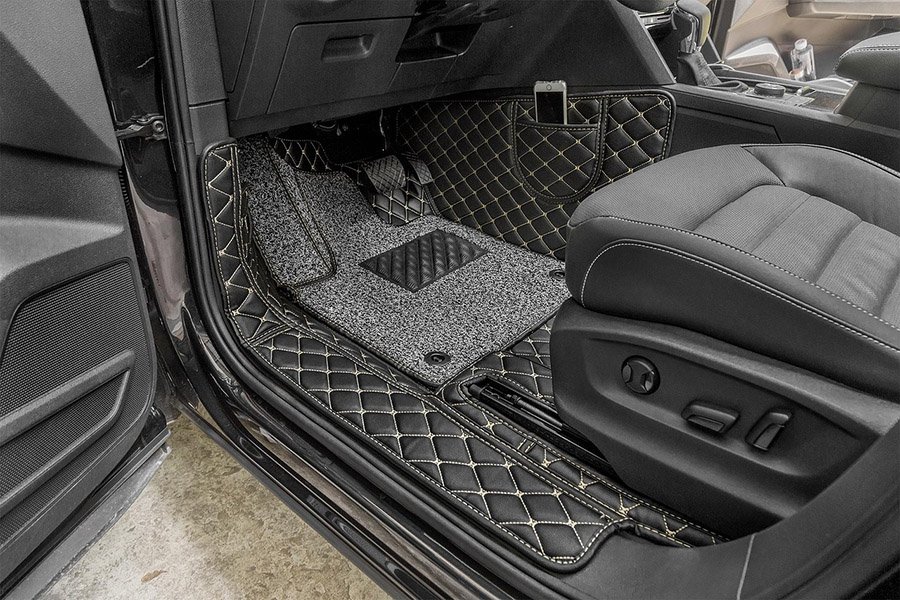
Custom covers do more than hide stains. They preserve the original upholstery so it stays closer to “like new,” and that condition shows up clearly when it’s time to sell. Buyers instantly notice clean seats and the overall impression that the vehicle has been cared for, which makes your listing stand out and strengthens your asking price.
Protection is only half of the payoff. Many high-use drivers, contractors, commuters, and families trust brands like Coverland because their covers hold up in environments where interiors would normally wear out fast. To get the same long-term benefit, document the condition of your seats before installation, keep your receipts, and choose designs that can be removed cleanly when you’re ready to sell. A thoughtful upfront investment often preserves far more value than most people expect.
When you compare quality covers to cheaper slip-on sets, the differences in durability, fit, and resale impact become obvious.
| Feature | Custom Fit Covers | Generic Universal Covers |
| Fit and appearance | Tight, model-specific, factory look | Loose wrinkles often expose fabric |
| Install time after first try | About 15 to 30 minutes per vehicle | Can drag to 2+ hours of trial and error |
| Comfort and support | Added cushioning, better posture support | Thin foam, little ergonomic benefit |
| Lifespan | 5 to 8 years or more with care | 1 to 2 years before tearing or fading |
| Resale value impact | Up to thousands in preserved value | Usually, little to no effect |
Once you understand the value difference, the last big piece is how to install and care for your setup without turning weekends into a chore.
Advanced Installation And Maintenance Secrets
If you do not want to wrench on straps in your driveway, many brands now partner with mobile installers who come to your home in more than two hundred cities. They are used to dealing with tricky airbag seams and heated seats, so everything stays within warranty guidelines.
Maintenance is also easier than most people expect. Self‑cleaning coatings shed a lot of dirt on their own, cutting normal upkeep by as much as 80 percent. Swapping lighter fabrics for summer and thicker, warmer panels for winter keeps you comfortable while stretching the life of each set. With a simple routine like that, covers stay fresh without constant scrubbing.
All this is strong right now, but the tech curve says the next model year will bring even more changes.
Future Proofing Your Investment: What Is Coming In 2026
If current prototypes are any sign, smart covers will soon learn your comfort settings and quietly adjust support based on trip length and driving style. Material makers are racing to roll out fully recyclable fabrics so you can upgrade without sending old covers straight to the landfill.
Autonomous driving adds another twist, since reclined seating and rotating chairs need new airbag paths and attachment points. Buying from brands that talk openly about 2026 compatibility gives you a better shot at easy upgrades later.
With all these moving parts, a few common questions come up again and again.
Final Thoughts On Custom Seat Covers
Custom car seat covers might look like simple fabric at first glance, but in practice, they protect your interior, improve daily comfort, and add real dollars to your future resale price. With better fit, smarter materials, and early smart tech, they punch far above their cost. The only real question now is which benefit matters most to you: comfort, style, or long‑term value. Whichever you pick, your next set of covers can quietly change how your whole vehicle feels.
FAQs on Custom Car Seat Covers
1. Do custom covers block airbag deployment?
Quality covers are cut with breakaway seams right over the side airbags, and crash‑test software helps brands confirm that deployment paths stay clear. As long as you buy covers listed for your exact trim, safety systems should still work as intended.
2. Will seat heaters and coolers still work?
Most modern covers are thin enough in the right spots to let factory heat and cooling pass through while still adding protection. Look for labels that mention thermal conduction channels if you live in an area with real winters or hot summers.
3. Are these worth it on an older car?
If your seats already look tired, custom covers can feel like a full interior refresh for a fraction of upholstery prices. They also make it easier to sell an older car because buyers see a cleaner cabin and assume better care overall.