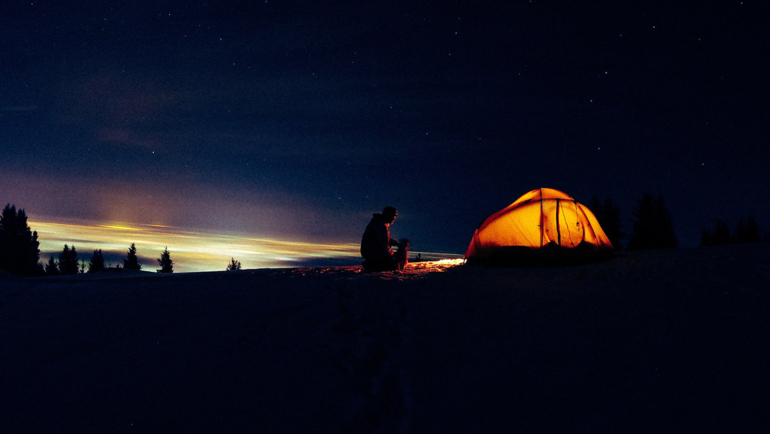
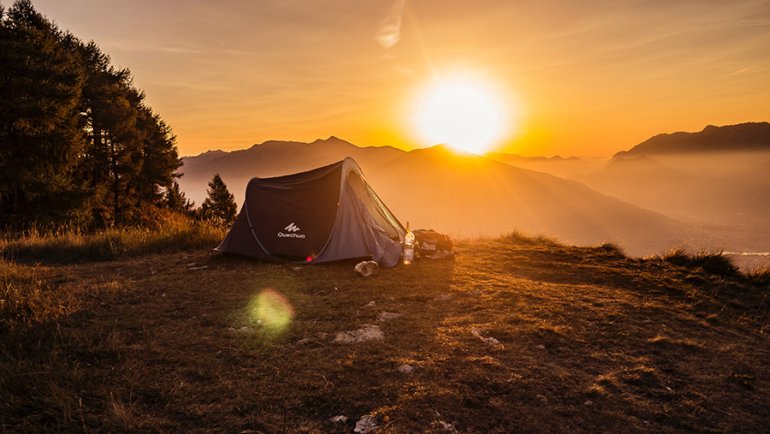
There is something that’s both thrilling and humbling about multi-day hiking and camping trips high in alpine country.
This will be no ordinary outdoor adventure. That’s because once you step above the treeline, it’s no longer just a hike. It’s survival mixed with beauty…literally.
The air gets thinner, storms can gather without warning, and even in the middle of summertime the nights can feel like you’re in the middle of winter.
Out there, gear isn’t about being trendy or lightweight just for bragging rights. It’s much more about utilizing tools that really pull their weight and that will keep you upright when the elements start to test your patience (and sometimes to the extreme).
The alpine environment has its own rules, and anyone heading into it for days at a time needs to pack accordingly. This is not a place to gamble with cheap equipment or cut corners, because every ounce in your pack should serve a purpose!
So with that in mind, here’s what you’ll want to remember to bring before you hit the trails and/or go camping in alpine country:
A Reliable Cutting Tool for Camp and Trail
There is simply no overstating the value of a good knife in the backcountry, and that applies to literally anywhere in the world (not just alpine areas).
But in alpine environments (where wood is usually sparse and conditions can be extremely unpredictable), a strong blade can become the multi-tool of survival. You can use it for things like splitting or batoning small pieces of wood for a stove, trimming cord for guy lines, or slicing through frozen food. A sturdy knife is simply indispensable.
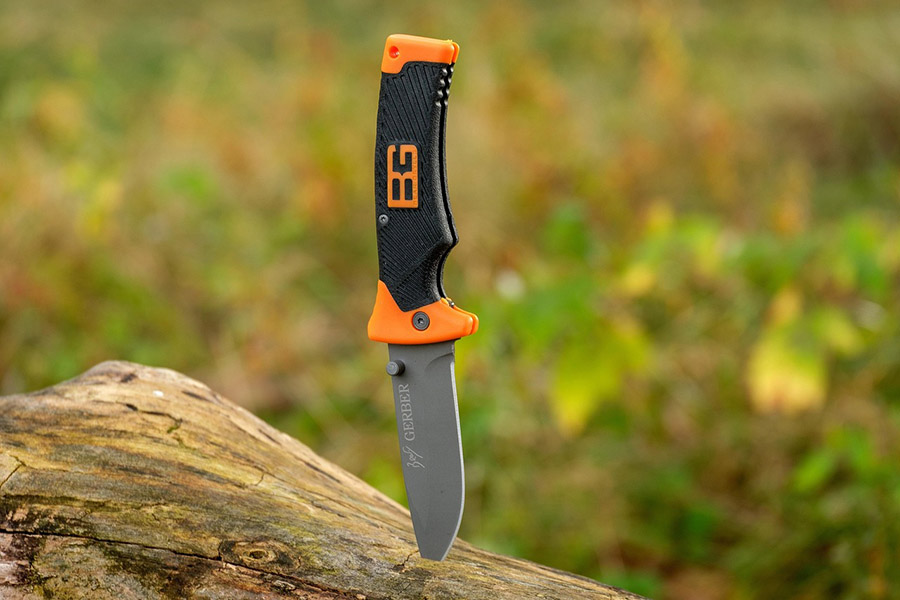
A proper alpine-ready knife should be full-tang and made out of a highly durable steel that holds an edge in wet and cold conditions. For a dependable workhorse, premium outdoor knives crafted to handle extreme conditions provide that rugged reliability.
Pair that with a secondary option such as small and yet precision-engineered knives that are built for rugged terrain, which can handle the smaller and more delicate kinds of camp tasks.
Carrying two knives might sound excessive…but honestly, that’s only to the uninitiated. Anyone who has watched a blade snap on a cold morning knows redundancy in this department is simply like having the wilderness version of a smart insurance policy!
Shelter That Withstands Alpine Weather
Shelter at altitude is not about comfort. It’s about protection. And in alpine zones, the wind can rip regular tents to shreds, and snow squalls can arrive in the middle of August literally.
A good alpine tent needs a strong pole system that will not buckle, along with reinforced seams and guy-out points that are designed for rocky pitches.
Durable tents that are built for high-altitude adventure offer double-wall construction that manages both condensation and insulation, plus vestibules that are large enough to stash boots and packs during storms.
The best alpine shelters will strike a balance between strength and packability, which is just another way of saying that they should be tough enough to handle high winds, and yet not so heavy that hauling them up a scree field feels like punishment.
Packs Built for Heavy Hauls
When you’re carrying four days’ worth of food, fuel, layers, and climbing gear, your backpack will become like the beating heart of the trip. Bad packs dig into shoulders, and they also sag when loaded and shift (rather dangerously) when you’re walking on narrow ridgelines.
Multi-day alpine packs need a rigid internal frame and wide padded hip belts that take the burden off your shoulders (and fabrics that laugh at granite scrapes while you’re at it!).
Expedition packs that are designed for mountain conditions are engineered with clever features like expandable compartments, load lifters that can stabilize heavy gear, and durable zippers that will not quit mid-climb.
A well-designed pack should turn a punishing load into something that’s manageable, and which directly affects stamina and morale after hours of you ascending some steep terrain.
Sleeping System for Cold Nights
At elevation, the nights don’t play nice! The temperature drop in alpine areas can be brutal, and if your sleeping system can’t handle it, rest will literally be impossible.
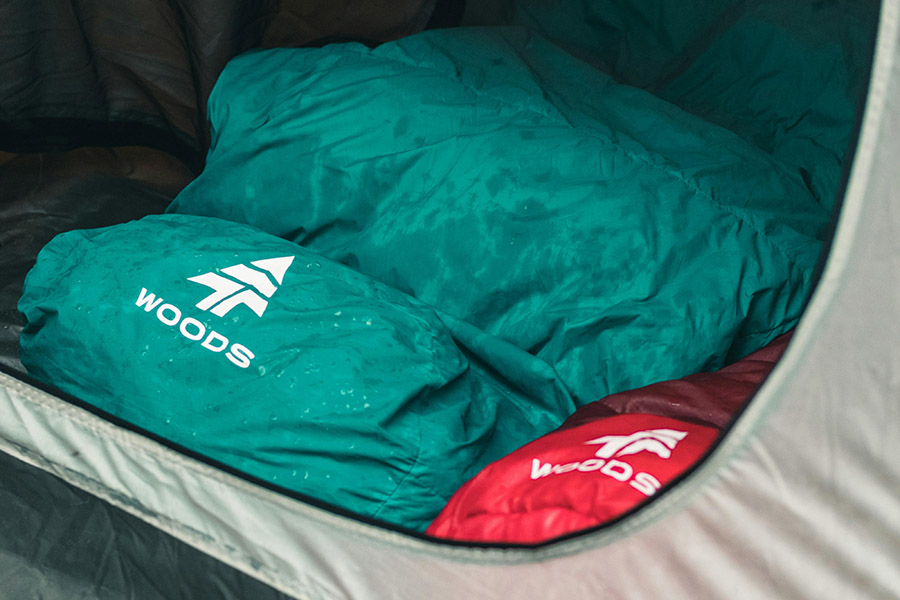
That’s exactly why a quality sleeping bag rated well below the lowest expected temperature is an absolute must. Down bags can provide an unbeatable warmth-to-weight ratio, but only if they’re kept dry! With that in mind, synthetic bags can handle moisture a lot better, though at the cost of some added weight and bulk (so be prepared).
The pad underneath is just as important as the sleeping bag itself.. Closed-cell foam pads are nearly indestructible and they also provide excellent insulation, while inflatable pads add a bit more comfort.
Combine the two? Just like that you’ll have a fail-safe system.
Cooking Setup That Works in Thin Air
Cooking up high will take more thought than in the lowlands. That’s because water boils slower in higher elevations, and wind eats fuel too. Canister stoves that have pressure regulators shine for efficiency, while liquid-fuel stoves can handle the real cold (and without sputtering out!).
A titanium pot and windscreen will cut fuel usage when used together, and a reliable lighter or ferro rod will make sure that you can get a fire going when matches fail. Furthermore, your meals should be calorie-dense and lightweight, and also easy to prepare (think of freeze-dried meals).
And while you’re at it. don’t underestimate the morale boost of a steaming mug of coffee or cocoa after pushing up a ridge all day.
Hydration Solutions in Harsh Conditions
Alpine streams look pristine, yes, but parasites do not care how clear the water looks! Filtration plus chemical backup is the gold standard here. Collapsible water reservoirs are great for hauling several liters at once, and for especially when your campsite is far away from a water source.
In certain alpine zones where lakes and glacial streams often dominate the terrain, inflatable boards that double as a water transport system for glacial lakes and crossings can serve a surprising dual role here. While unconventional, sure, they technically can open up access to otherwise unreachable terrain. At the very least, it’s something to think about.
The mountains love to play tricks on even the most seasoned hiker. And no, they’re not going to make an exception for you!
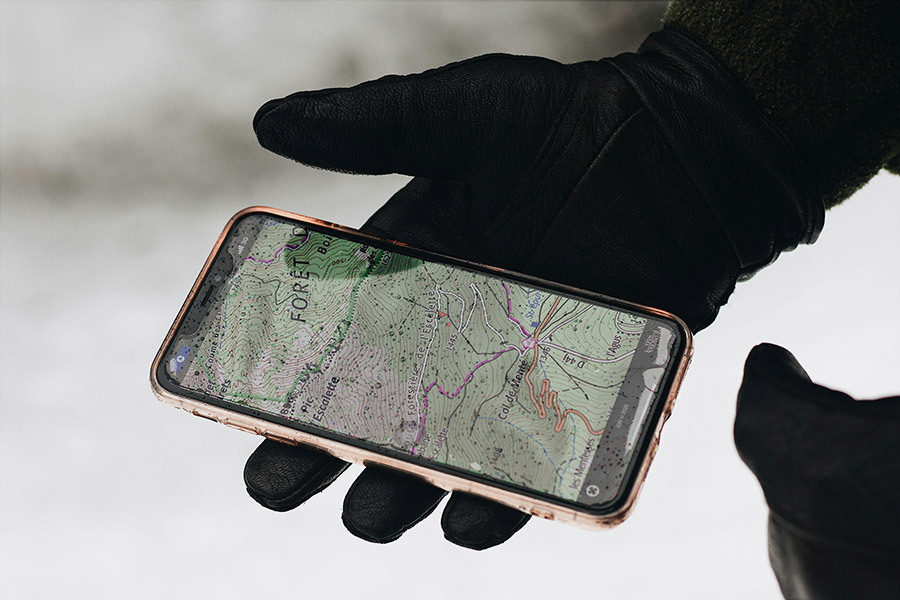
Trails vanish under snowfields and ridges split into multiple false summits and storms can erase visibility in minutes, just to name a few things. And as surprising as it may sound in a world of technology, compass and a detailed topo map remain the backbone of navigation.
A GPS unit or satellite communicator adds a vital safety net when conditions go sideways to be sure, but they can also become damaged or become useless when the batteries run out. A compass and map are old school and they’re always good to have as a backup.
Remember, batteries can die quickly in cold weather, but paper maps never do!
Clothing for Layered Protection
The alpine dress code is all about layers:
- A good base layer wicks sweat and as a result is good at preventing chill.
- A mid-layer such as fleece or lightweight synthetic insulation traps heat.
- Over that, a waterproof and breathable shell protects from rain and wind.
- A down puffy (which is carried compressed in the pack until you need it), will deliver instant warmth during stops or when the temperatures plummet at night.
One more thing that’s worth noting here is that extremities really matter the most. Cold feet or hands can end a trip faster than a torn tent. That’s exactly why wool socks, liner gloves under insulated gloves, and a windproof beanie should be treated by you as core items, and not as extras.
Here’s a key tip to remember in that regard: the difference between comfort and hypothermia is often just one forgotten pair of gloves!
Additional Items
Alpine environments come with their own hazards. Trekking poles make long descents easier on the knees and they also provide you with extra balance on narrow traverses.
Lightweight crampons and an ice axe will move from the optional to mandatory category on routes that cross steep snow or glaciers. A compact first-aid kit is also extremely necessary to have (and so is the knowledge of how to use it, which honestly, a lot of people unfortunately skip).
For those of you who really appreciate the wild’s quieter side, naturally shed antlers that you source responsibly from high country wildlife habitats can serve as both memorable keepsakes, and if needed, could serve as a defensive tool against dangerous animals (though hopefully it never comes to that!).
Conclusion
Alpine expeditions are a study in preparation, and the difference between a rewarding adventure and a miserable struggle often comes down to the gear that you choose before ever stepping foot on the trail.
The mountains will always test you, yes, but they also reward those of you who come prepared.
Hopefully that will include you.