Yellowstone National Park is a land of astonishing beauty and raw power. It’s a place where active geysers erupt, bison roam vast meadows, and geological wonders like the Grand Canyon of the Yellowstone take your breath away. Yet, this immense popularity means that iconic spots often feel more like bustling city plazas than pristine wilderness.
This strategic guide is designed to help you reclaim the sense of discovery felt by early explorers, offering a path to a deeper, more peaceful connection with America’s first national park.
Key Takeaways:
- Visit during shoulder seasons like spring or fall to dramatically reduce crowds and witness unique seasonal transformations.
- Enter through less popular gates like the Northeast or South entrances and stay in gateway communities for a calmer base.
- Explore at dawn and late afternoon to avoid peak visitor hours and enjoy iconic sites in peaceful solitude.
- Seek immersive activities like long hikes, paddling, or guided educational tours to connect deeply with the park’s wilderness.
Rethink Your Season
The single most effective strategy to avoid crowds and traffic delays is to visit outside the peak summer window. Yellowstone transforms dramatically with the seasons, each offering unique rewards.
Spring (April-May)
Witness the park reawaken. This is prime time for wildlife watching in the Lamar Valley, often called America’s Serengeti, as animals descend to lower elevations with their newborns. Roads begin opening in April, but many remain closed until May, creating a sense of having the Yellowstone Wilderness to yourself. Be prepared for variable weather and check current conditions.
Fall (September-October)
Crisp air, golden aspens, and the dramatic elk rut define autumn. Crowds thin dramatically after Labor Day, offering serene views of the Upper Falls draped in fall color. It’s an ideal time for guided hikes.
Winter (December-March)
The park becomes a serene snowy wonderland. Access is primarily via guided snowmobile or snow coach tours, leading to incredibly quiet, frost-covered landscapes. Mammoth Hot Springs steams dramatically against the snow, and wildlife is easier to spot. Look into snowmobile rentals and tours for an unforgettable adventure.
Strategize Your Entry Points and Lodging
Where you stay shapes your experience. Avoiding crowded West Yellowstone (in summer) sets the tone for a calmer trip. The north entrance (Gardiner, MT) leads to Lamar Valley and Mammoth Hot Springs. Gardiner offers reliable access and connects to cowboy heritage, plus convenient lodging.
The northeast entrance (Cooke City/Silver Gate, MT) is the least-used entrance via the scenic Beartooth Highway offers minimal traffic and direct wildlife access. Prioritize early lodging reservations.
The south entrance (Grand Teton National Park) pairs Yellowstone with Grand Teton for an epic journey. Entering from the south gives access to Yellowstone Lake, West Thumb Geyser Basin, and often lighter traffic, making it ideal for two-park trips avoiding northern crowds.
For families or groups, vacation rentals near Yellowstone in Tetonia, Driggs, Victor, or Island Park, ID, offer more space, flexibility, and kitchen facilities in a secluded setting. Consider a guest ranch or working ranch in Western Montana, such as those in the Bitterroot River Valley near Trapper Peak, which offer a taste of ranch life combined with park access.
Master the Art of Timing Within the Day
Your watch is key to avoiding summer crowds. Visitor numbers peak from 9:00 AM to 3:00 PM. Structure your day around this predictable rhythm to experience Yellowstone with more space and peace.
1. Start at Sunrise
Your first stop should be a major site like Grand Prismatic Spring or the Grand Canyon of the Yellowstone at dawn. Enter the park gate by 6:30 AM. You will find empty parking spots, experience perfect morning light for photography, observe active wildlife, and walk quiet trails. This window of solitude closes by 9:00 AM.
2. Retreat During Midday Peak
Avoid popular thermal areas and canyon overlooks from 11:00 AM to 3:00 PM. This is your time for activities where crowds don’t matter. Take a drive on the Beartooth Highway, enjoy a long picnic, or return to your guest ranch to recharge. Fighting the crowds during these hours leads to frustration and wasted time.
3. Return for the Evening Session
Head back into the park after 4:00 PM. As day-trippers leave, the atmosphere becomes tranquil again. This is the ideal time to visit iconic spots like Old Faithful or the Lower Falls. The lighting turns golden, animals re-emerge, and you can secure a dinner reservation or find a bench to simply watch the day end in peace.
Best Activities Without the Crowds
While timing and location are foundational, the activities you choose are where solitude truly takes shape. Move beyond passive viewing and engage with the park through these immersive, low-density experiences.
1. Become a Dawn Patrol Wildlife Spotter
Arrive at dawn, coffee and spotting scope in hand, for quiet wildlife viewing from a valley pull-off. Share the morning with a few enthusiasts, observing quiet wildlife behavior missed at midday.
2. Embark on a Long-Distance Hike
Choose a half- or full-day hike like Hellroaring Creek, Bunsen Peak, or Fern Lake Loop for solitude and scenery beyond the popular boardwalks. For peaceful thermal features, choose the Lone Star Geyser Trail, a five-mile round trip by adventurous hike or bike, away from crowds.
3. Paddle the Silent Shorelines
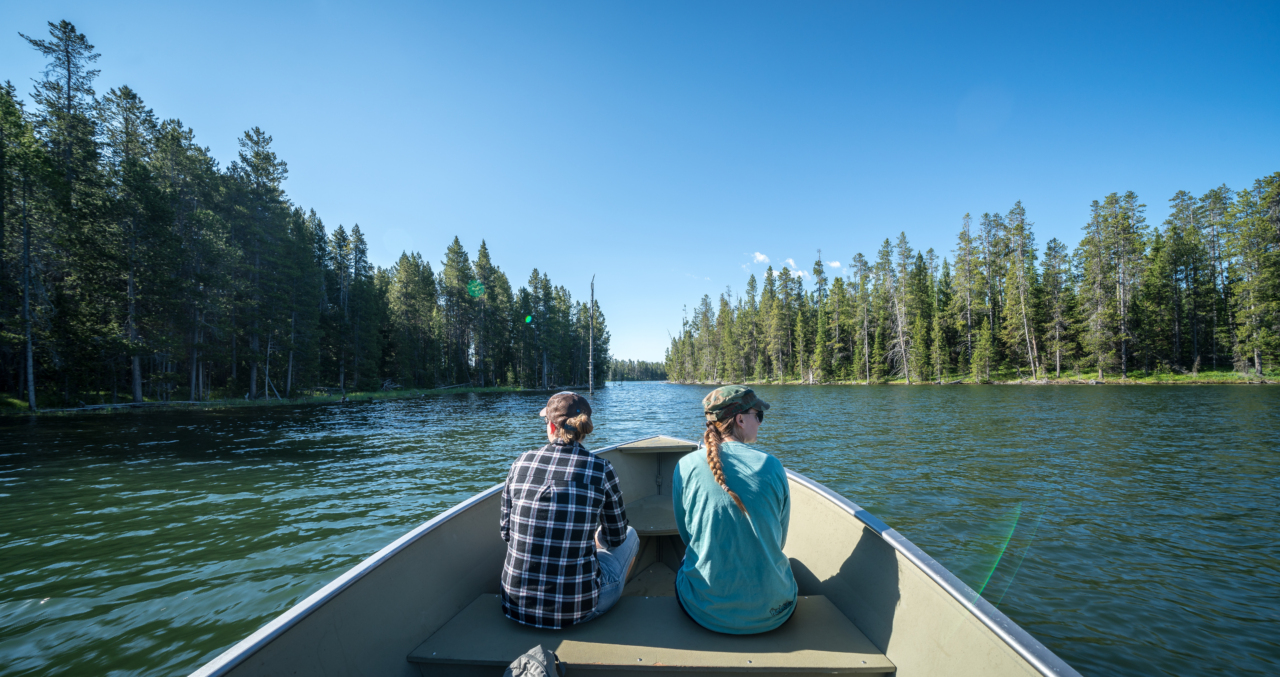
Rent a kayak or canoe at Lewis Lake or Bridge Bay Marina to enjoy quiet waters and rare solitude, often hearing only your paddle.
4. Stargaze in Certified Darkness
After day visitors leave, enjoy International Dark Sky Park stargazing or attend a night program. Fountain Flat Drive or Yellowstone Lake offer spectacular, uncrowded views of the Milky Way over geothermal features.
5. Explore the Yellowstone River Corridor
This stretch of river winds through quiet meadows and forests, offering sanctuary from crowds. At LeHardy’s Rapids, spot wildlife or hike Pelican Creek Trail for a quiet, secluded afternoon.
6. Join a “Shoulder Season” Photography Workshop
Book a workshop in late September or early May for small groups, great light, and expert guidance away from crowds.
Go Deep: Prioritize Lesser-Known Wonders
Venture beyond the boardwalks of the most famous basins to find tranquility.
1. Seek Out the Quiet Basins
Instead of fighting the crowds at Midway Geyser Basin, explore the equally fascinating but quieter Biscuit Basin just to the south. Or visit the stunning but less-visited West Thumb Geyser Basin on Yellowstone Lake’s shore.
2. Explore the Water
Yellowstone Lake is vast. Book a guided boat excursion or a fishing trip from Bridge Bay Marina to experience the park from a water-based perspective. For adrenaline, look into Whitewater Rafting on the Yellowstone River outside the park boundaries.
3. Commit to a Hike
Even a half-mile walk beyond a main overlook disperses 95% of visitors. Trails in the Grand Canyon, like the Uncle Tom’s Trail or the hike to Artist Point, offer breathtaking perspectives away from the main parking lot bustle.
Invest in Specialized Access and Education
Sometimes, the best way to bypass the ordinary is through specialized access or deep learning.
1. Book a Private Tour
Private Tours offer a customized experience. A knowledgeable guide can navigate park rhythms, provide spotting scopes for distant wolves in Lamar Valley, and share stories that bring the landscape to life. Companies offering land adventures or wild West Adventures often have permits for park access.
2. Enroll with Yellowstone Forever
The official nonprofit partner, Yellowstone Forever, runs the Yellowstone Forever Institute. Their field seminars and guided hikes, led by Yellowstone Forever educators, provide educational, small-group access that feels far from the tourist track.
3. Utilize Your Access Pass
If you are a U.S. citizen or permanent resident with a permanent disability, make sure to obtain your Access Pass (America the Beautiful Pass). This free, lifetime Park Pass provides access to all national parks and can streamline your entry.
How to Plan Like a Pro
A peaceful trip is built on solid, boring logistics handled in advance. This planning is what turns a stressful scramble into a seamless experience where you can focus on the landscape, not the line. Here are the non-negotiable steps to lock down.
1. Secure Accommodations Immediately
Whether you want a spot in park campgrounds, a room in a historic lodge, or a cabin at a working ranch, bookings for the peak season open 6 to 12 months ahead and disappear fast.
For Yellowstone vacations, this is the first domino to fall. If park lodgings are full, expand your search to vacation rentals near Yellowstone in gateway communities, but book those early, too.
2. Handle Your Pass and Permits Before You Go
Don’t wait for the entrance station. Purchase your digital Park Pass online from the National Park Service in advance. If you have an Access Pass, ensure it’s current.
For activities such as horseback riding or a guided boat excursion from Bridge Bay Marina, book these permits and tours well in advance of your arrival date. This eliminates lines and guarantees your spot.
3. Download Essential Digital Tools
Cell service is unreliable in the park. Before you arrive, download the National Park Service app for offline maps and official alerts on current conditions and traffic delays.
An audio tour app is also highly recommended. Choose one with offline, GPS-triggered narration will point out hidden pull-offs and fascinating history you’d otherwise drive right past.
4. Pack a Day Kit for Self-Sufficiency
Your car should be a supply hub. Each day, pack a cooler with lunches, snacks, and at least two gallons of water per person. Include layers of clothing for sudden weather changes.
This kit allows you to enjoy a picnic with a view of the Yellowstone River instead of wasting an hour in a crowded cafeteria, and ensures you’re prepared for unexpected road closures or long waits for wildlife sightings.
5. Create a Flexible, Informed Itinerary
Use the park’s website to check for road closures and current conditions right before you leave. Build a daily plan using the timing strategies outlined earlier, but keep it flexible.
Have a “Plan B” for each day. I the parking lot for Grand Prismatic Spring is full, your backup might be a hike in Biscuit Basin. Knowing your options prevents frustration and keeps your day on track.
Respect the Absolute Power of the Landscape
Yellowstone is not a curated park; it is a wild, geothermal wilderness where conditions can be fatal in an instant. Your safety depends on respecting fundamental, non-negotiable rules.
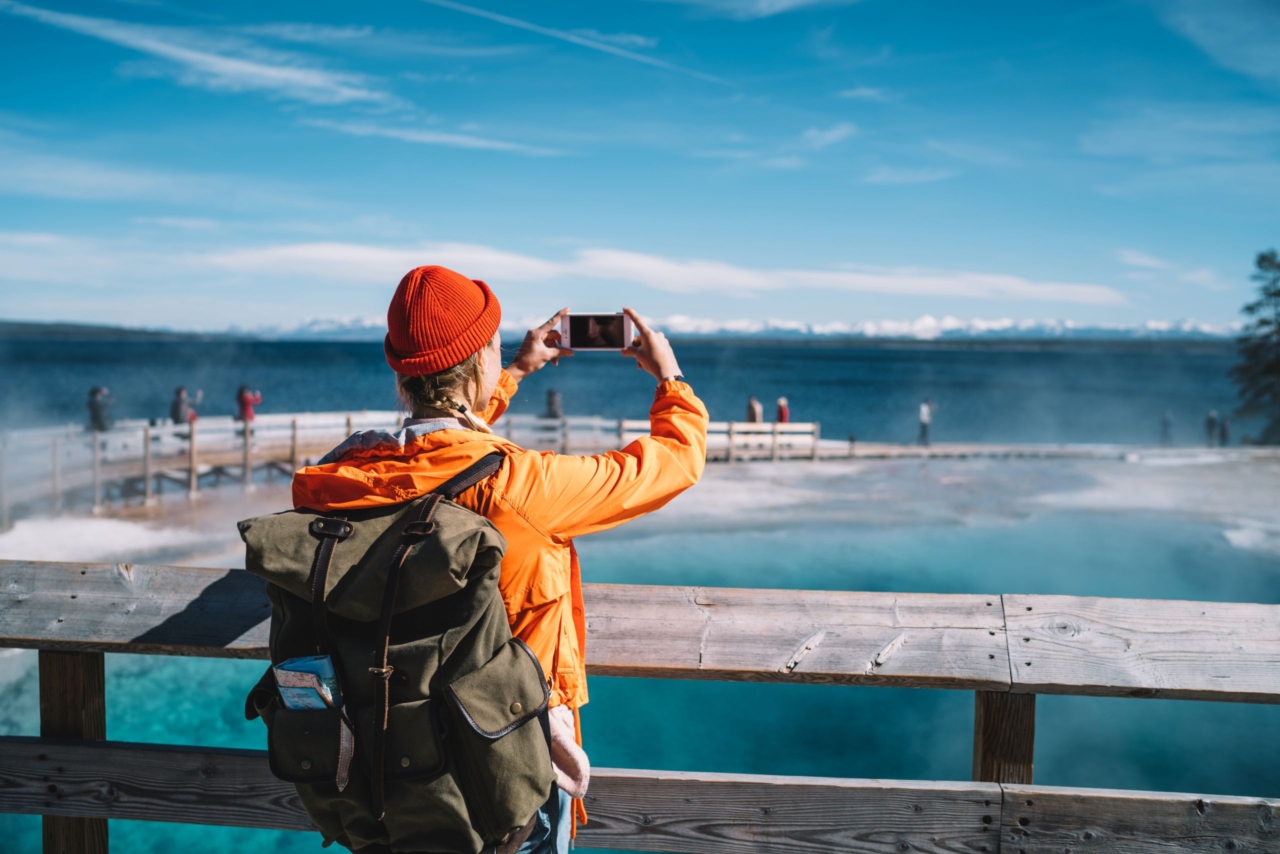
1. Stay on Designated Boardwalks and Trails
The ground in thermal areas is thin, fragile, and scalding hot. Breaking through a seemingly solid crust can lead to severe or fatal burns. Every year, visitors are injured by ignoring this rule. The same applies near canyon edges, where loose rock can give way.
2. Maintain a Safe Distance from Wildlife
Use binoculars or a telephoto lens. Stay at least 23 meters (25 yards) from all large animals (bison, moose, elk) and at least 91 meters (100 yards) from wolves and bears. Bison, especially, are deceptively fast and can gore or toss a person. If an animal changes its behavior because of you, you are too close.
3. Never Approach or Feed Any Animal
Feeding wildlife is illegal and teaches dangerous behavior that often leads to the animal’s death. Store all food, trash, and scented items (including toiletries) in bear-proof containers or hard-sided vehicles.
Prepare for Wilderness Self-Reliance
Help is often far away. Your preparedness is your primary safety net. Carry bear spray and know how to use it—unclip the safety tab and practice the motion before you need it. Hike in groups (three or more), make noise on the trail, and be extra vigilant at dawn and dusk. Know the difference between a defensive (play dead) and predatory (fight back) bear encounter.
Furthermore, hypothermia can occur even in summer during sudden storms with cold rain. Dress in layers and always have a waterproof shell. High-elevation sun is intense; use sun protection. Sturdy, ankle-supporting footwear is essential on rocky, uneven trails.
Wildlife on roadways is a constant hazard, especially at night. Obey speed limits. Road conditions can change rapidly with snow, ice, or freezing rain, even in June and September. Never stop in the middle of the road; use pullouts to view wildlife or scenery.
The Bottom Line
Experiencing Yellowstone without crowds is a deliberate strategy. It requires trading the convenience of a July weekend for the crisp solitude of October, sacrificing a late sleep for a dawn at Grand Prismatic Spring, and valuing a customized experience on a private tour over a checklist of roadside stops. The real Yellowstone vacations are those where you hear the rush of the Yellowstone River over the din of traffic and where you find your own quiet connection to this extraordinary, wild heart of the continent.