Winter trekking offers a unique and exhilarating experience. Hiking in the winter can be just as rewarding as in warmer months, but it requires more preparation due to the colder temperatures, snow, and ice.
Having the right gear, being aware of safety measures, and understanding how to manage the elements will ensure you enjoy your winter treks safely and comfortably. Below is a comprehensive guide on the essential winter trekking gear and tips that will help you tackle the trails during colder months.
Layered Clothing: The Key to Winter Comfort
One of the most important things to remember when trekking in winter is layering. Unlike summer hikes where one lightweight jacket may suffice, winter trekking requires careful layering to keep you warm, dry, and comfortable. Here’s how to properly layer your clothing for maximum warmth:
- Base Layer: The base layer is the first line of defense against the cold. It should be made from moisture-wicking materials such as merino wool or synthetic fabrics. This layer will help manage sweat by pulling moisture away from your skin, preventing you from getting chilled during activity. Avoid cotton, as it retains moisture and takes longer to dry, making you more susceptible to the cold.
- Mid Layer: The mid layer is where insulation comes into play. Fleece, down, or synthetic insulated jackets work well for keeping warmth. If you’re heading out in extremely cold conditions, a thicker down jacket or fleece jacket can help retain body heat. Be sure to pick one that allows for a range of movement, so you’re comfortable during long treks.
- Outer Layer: The outer layer is the last line of defense. It should be windproof, waterproof, and breathable. This layer will protect you from rain, snow, and harsh winds. Look for jackets with Gore-Tex or similar waterproofing technology, but also make sure they have ventilation zips to let moisture escape from the inside.
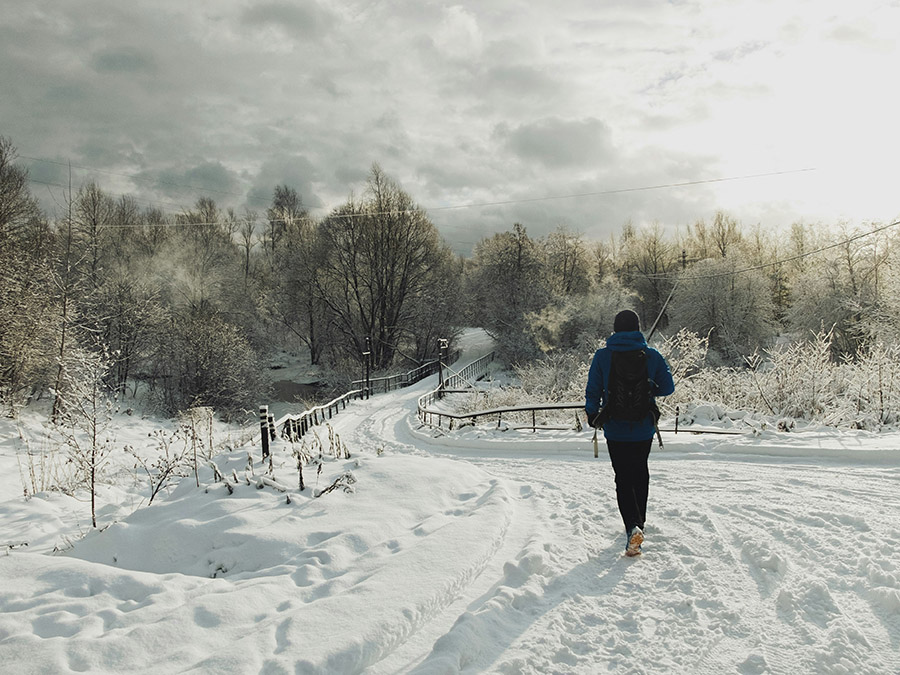
Winter Boots for Trekking
When it comes to winter trekking, your feet need to be well protected. Cold, wet feet can lead to blisters, frostbite, and general discomfort, so having a pair of sturdy, waterproof boots is a must.
- Insulated Waterproof Boots: Winter trekking boots should be insulated to keep your feet warm in low temperatures. A good pair of boots will also be waterproof to keep moisture from seeping in when you’re walking through snow or puddles.
- Traction: Since icy and snowy terrain can be slippery, your boots need to have solid traction. Look for boots with deep lugs or tread patterns specifically designed for winter conditions.
- Fit and Comfort: Make sure your boots are well-fitted and offer ankle support. Hiking in boots that don’t fit well will cause discomfort and make your trek more difficult. Be sure to try your boots on with the socks you plan to wear on the trail to ensure the best fit.
Traction Devices: Microspikes vs. Crampons
During winter treks, icy and slippery trails pose serious hazards, which is why traction devices are essential. Here’s a breakdown of your options:
- Microspikes: Microspikes are lightweight traction devices that you can attach to your hiking boots. They consist of spikes that grip ice and snow, preventing slippage. Microspikes are perfect for most winter hikes where icy patches are present, but not necessarily the entire trail.
- Crampons: Crampons are more heavy-duty and are designed for mountaineering or steep, icy terrain. They have larger spikes and provide more aggressive traction than microspikes. If you’re hiking in areas with more challenging ice or mountaineering routes, crampons are your best bet.
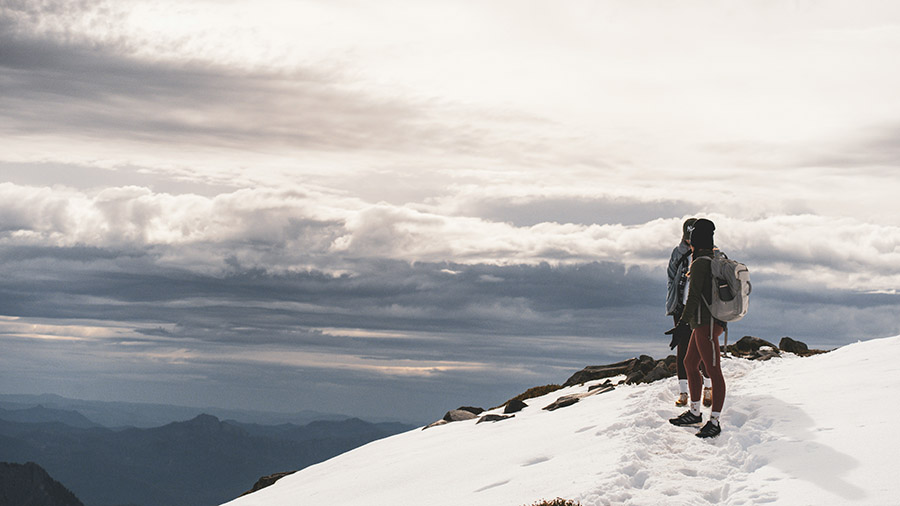
Winter Trekking Safety Tips
While having the right gear is essential, safety is paramount when trekking in the winter. The colder temperatures and unpredictable weather conditions can lead to serious hazards if you’re not prepared.
- Know the Weather Conditions: Always check the forecast before heading out. Winter weather can change quickly, and it’s important to be aware of potential storms or blizzards. Carrying an emergency weather radio can help you stay updated while out on the trail.
- Carry a First Aid Kit and Emergency Supplies: A well-stocked first aid kit should always be in your backpack, but you should also carry extra food, water, and a multi-tool. Make sure you have a way to start a fire and keep warm in case of an emergency. An emergency shelter or bivy sack can also come in handy if you need to wait out a storm.
- Stay Hydrated: While it’s cold, you still need to hydrate. Sometimes, in winter conditions, hikers forget to drink enough water, which can lead to dehydration. A hydration pack with a hose that’s insulated will prevent the water from freezing.
Winter trails can often be harder to navigate due to snow coverage, making landmarks less visible. A map and compass should always be in your pack, even if you plan to use a GPS device. In winter, things can change quickly, and knowing how to navigate manually is a valuable skill.
Conclusion
Winter trekking can be an amazing experience, offering a serene and beautiful landscape that’s only available during the colder months. However, it’s essential to be well-prepared with the right gear and to understand the risks associated with hiking in winter conditions.
By layering your clothing, investing in the right boots and traction devices, and ensuring you have the proper safety tools, you’ll be ready to enjoy the winter wilderness safely and comfortably. Make sure to check our winter trekking gear collection to get the best equipment for your upcoming winter adventures!