Few sights rival the dazzling spectacle of spring flowers in full glory, and nowhere is this more evident than at the Skagit Valley Tulip Festival. Each year, the rolling fields of Washington State transform into a living canvas, where millions of tulips burst into a symphony of color. This annual springtime festival isn’t just a visual feast—it’s a photographer’s paradise, offering endless photo opportunities for both amateurs and professionals.
From the fiery red petals to the serene white blooms, every hue tells a story framed by the misty peaks of the Pacific Northwest. The aromatic flowers and vibrant street festivities add layers of charm, making it more than just a typical tulip destination. Whether you’re chasing the perfect single tulip close-up or the sweeping grandeur of acres of tulips, mastering these shots requires both artistry and strategy.
Read on to learn how you can immortalize your tulip festival memories through awe-inspiring photography.
1. Plan Your Visit for the Perfect Shot
Timing is everything when photographing tulips in a tulip field. The bloom times vary each year, but mid-April is typically the peak season for the Skagit Valley Tulip Field. Arrive early to avoid crowds, and make sure to secure your tulip farm tickets in advance—popular spots like Tulip Town and Tulip Valley Farms can get busy.
Consider visiting during the golden hour (sunrise or sunset) when the soft light enhances the spring colors. If you’re lucky, you may catch the annual tulip parade or the street fair in Mount Vernon – Washington State, adding lively backdrops to your visual storytelling.
2. Master Composition for Stunning Images Tulips
Great flower photography goes beyond simple snapshots—it’s about creating visual harmony. To make your photos stand out, experiment with these composition techniques:
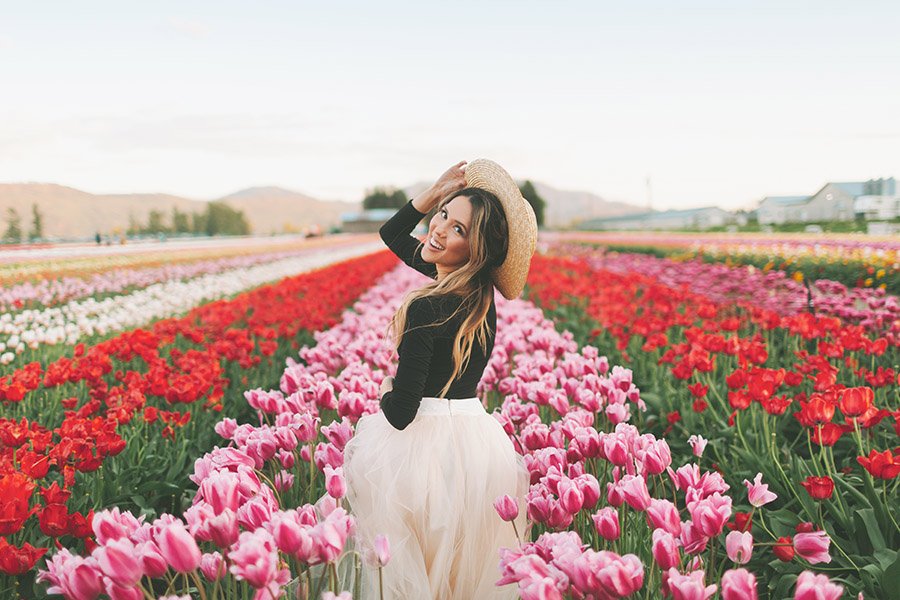
- Wide bottom-up view: With the sky as your backdrop, capture the sweeping views of acres of tulips. Try kneeling low to emphasize the flowers’ scale against the horizon.
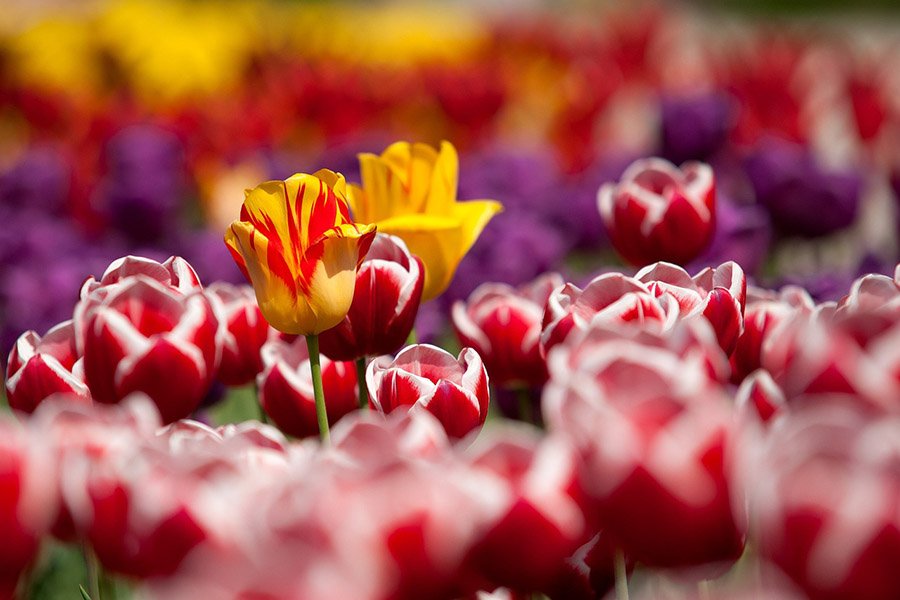
- Single tulip close-up: Highlight the delicate curves or intricate details of colorful tulips. Use a macro lens or portrait mode to isolate your subject with creamy bokeh.
- Horizontal photo: Perfect for showcasing colorful tulip flower beds or the field of tulips blooming in the distance. Keep the horizon straight for balanced landscapes.
- Leading lines: Use the natural rows of tulips or garden pathways to draw the eye through your frame.
- Rule of thirds: Position key elements like a striking red tulip or farm windmill at intersection points for dynamic balance.
- Color blocking: Group complementary hues together, like yellow tulips against purple hyacinths, for bold contrast.
Play with depth of field—sharp, vibrant tulips against blurred tulips in the background create a dreamy effect that elevates ordinary shots to gallery-worthy art.
3. Leverage Natural Elements for Dynamic Shots
The true magic of tulip photography lies in how you incorporate the surrounding environment. These simple yet powerful techniques will add depth and context to your images:
- Frame with blossoms: Use overhanging cherry blossoms or clusters of aromatic blooms from nearby gardens to create natural vignettes around your tulip subjects.
- Pathway perspectives: The recreational path at the official tulip gardens isn’t just for walking—let it guide viewers’ eyes through your composition toward colorful focal points.
- Aerial advantage: Elevate your perspective with aerial photos to reveal mesmerizing patterns in the bright tulip fields that aren’t visible from ground level.
- Weather elements: Misty mornings can add an ethereal atmosphere, while dramatic clouds create striking backdrops for the vivid blossoms.
- The human element: Include visitors admiring the flowers (with permission) to add scale and storytelling to your visual storytelling.
By thoughtfully combining these natural elements, you’ll transform straightforward tulip photos into captivating scenes that capture the festival’s whole experience.
4. Enhance Your Photos with Creative Techniques
Great tulip photography isn’t just about what you capture – it’s how you capture it. These professional techniques will take your images from ordinary to extraordinary:
- High-res mastery: Shoot in RAW format to preserve every detail of the vivid blossoms, giving you maximum flexibility in post-processing.
- Color play: Create striking compositions by contrasting yellow tulips with white tulips or cluster multi-color tulips for vibrant rainbows of petals.
- Storytelling context: Include visitors enjoying the annual springtime festival in your spring travel background shots to add human interest and scale.
- Motion magic: Try panning shots of the annual tulip parade or slow shutter speeds to make dancing tulips create artistic blurs.
- Reflection hunting: Seek out puddles or garden mirrors to capture upside-down images of tulips for surreal effects.
- Selective focus: Use manual focus to highlight one perfect bloom while letting the surrounding bed of tulips melt into soft colors.
These creative approaches will help you see beyond the obvious shots and develop a unique photographic style that does justice to the beauty of tulips. With practice, you’ll start noticing artistic opportunities everywhere in the Skagit Valley Tulip Field.
5. Edit Like a Pro for a Lasting Impact
Post-processing is where good tulip photos become extraordinary works of art. These essential editing techniques will make your images pop while maintaining natural beauty:
- Color enhancement: Boost saturation selectively to make the vivid blossoms shine while keeping greens natural for authentic garden in spring scenes.
- Precision cropping: Reframe your shots to emphasize the beautiful tulip as your focal point, using golden ratio overlays for the perfect composition.
- Light balancing: Adjust shadows and highlights to reveal hidden details in both the bright tulip fields and delicate white tulips.
- Texture magic: Carefully sharpen petal details while softening backgrounds to maintain that dreamy, blurred tulips effect.
- Inspiration gallery: Study royalty-free photos and archive visuals from professional photographers to learn advanced color grading techniques.
- Selective edits: Use masking tools to apply different adjustments to yellow tulips versus the surrounding greenery for perfect tonal balance.
Remember – the goal isn’t to create unrealistic images but to reveal the valid, captivating beauty spring offers. With these pro editing approaches, your high-quality photos will stand out in any portfolio or social feed, capturing the essence of the Skagit Valley Tulip Festival in every pixel.
6. Create Engaging Digital Content
Beyond photos, consider producing original audio content—record the sounds of the festival or add sound effects for immersive custom content. You can also pair your high-quality stock photos with music options to enhance your class’s digital presentations or social media posts.
Conclusion
Make the most of the Skagit Valley Tulip Festival, one of the most coveted tulip destinations in the world—and celebrate spring and the captivating beauty it brings, through artful photography. With these tips, you’ll be ready to photograph the arrival of spring in all its aromatic blossoms and biggest blooms.
So grab your camera, explore the iconic tulip farm, and memorialize the beauty of spring in every shot. Happy shooting!