Although steel gates provide security, style, and long-term value to a property, they are usually exposed to the weather, moisture, dust, and daily usage. With time, minor problems such as color wear, rusting in some areas, or stiff hinges begin to emerge.
These issues are not that big, but they can develop fast. In addition, most homeowners have a hard time keeping their gates clean at all times since they think that it is a complex or lengthy process.
But it is much easier to maintain than it appears. With the proper routine, any gate can maintain its strength, appearance, and functionality. The following article outlines practical maintenance activities that keep steel gates performing well and looking new.
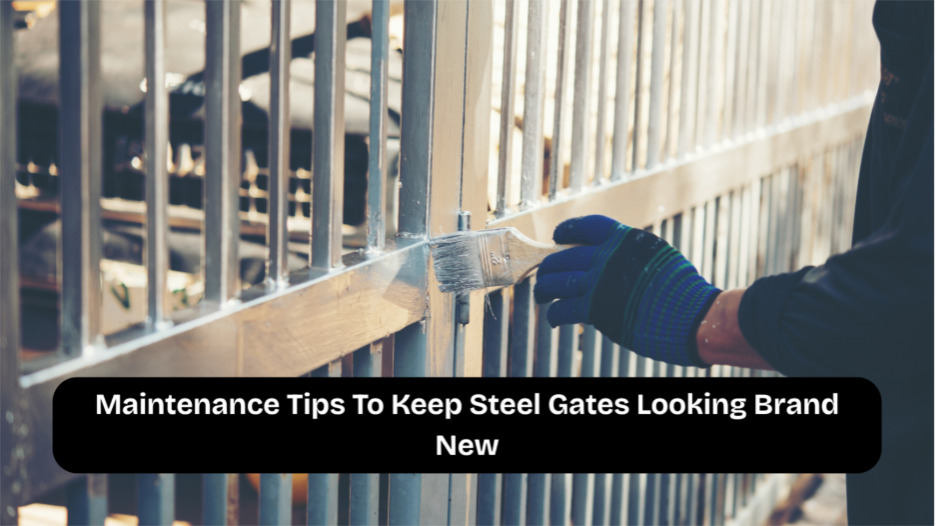
1. Regular Wash to Avoid Dirt Accumulation
Cleaning is essential for ensuring the long lifespan of steel gates. Over time, dirt, pollen, and environmental pollutants accumulate on the surface, gradually wearing down the finish, making the gate look prematurely old.
Regular cleaning also maintains the gate’s appearance and helps detect early signs of damage before they become an expensive repair. Wipe with a soft sponge or cloth to avoid scratching the surface, then rinse with clean water to remove any debris or abrasive particles.
Always make sure to wash the front and back of the gate, as some areas are hard to notice and may accumulate moisture and dirt. After washing, ensure the gate is completely dry.
Water left behind creates optimal conditions for corrosion. Regular maintenance, therefore, is a preventive technique that can be used to avoid deterioration rather than a remedy used when the damage is already done.
2. Inspect For Rust and Address It Immediately
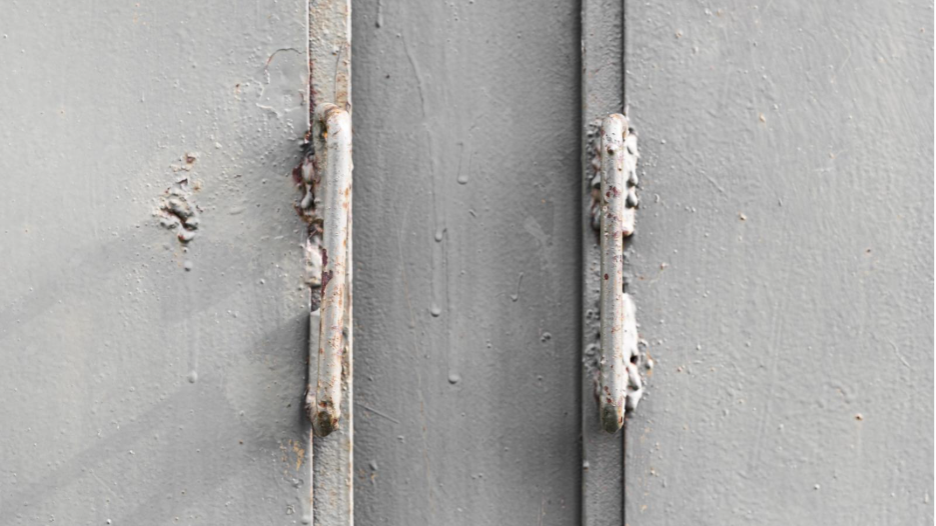
Rust is the most common threat to metal surfaces, and steel gates are no exception. Even with high-quality finishes, minor scratches or chips in metal can expose the underlying metal.
Once exposed, oxidation rapidly occurs and starts impacting the metal surface. For this reason, routine inspections are necessary to identify and address issues before they escalate.
Examine every part of the gate, including the lower section where rainwater is likely to collect. Closely examine corners, joints, and hardware as they are the first to rust. If rust spots are spotted, treat them immediately.
The first step is to clean the affected area with soft-grit sandpaper. Once the surface is prepared correctly, paint it with a rust-inhibiting primer as quickly as possible, then follow up with a protective paint for a touch-up to restore the finish and prevent further corrosion.
Besides, it is easier to prevent rust when the protective coating remains intact. This is why the regularly inspected gate not only remains attractive but also maintains its structure over decades.
3. Lubricate Hinges and Moving Parts
Hinges, rollers, and latches experience friction during daily operation. When these parts are not adequately lubricated, they become hard, rough, and overworked. Over time, they can curve or crack, exerting tension on the gate’s frame.
A silicone-based or lithium-based lubricant should be applied to all the moving parts. These are moisture-resistant formulas best suited to metal hardware. Wipe the parts with a dry cloth before application to remove dust and old grease.
After lubrication, open the gate and close it a few times to evenly distribute the product. This minimal practice provides hassle-free working. In addition, it minimizes wear, eliminates squeaking, and prevents metal corrosion caused by friction.
Regular lubrication also eliminates unnecessary force on automated systems, thereby making the entire system more dependable.
4. Protect The Finish with Paints or Sealants
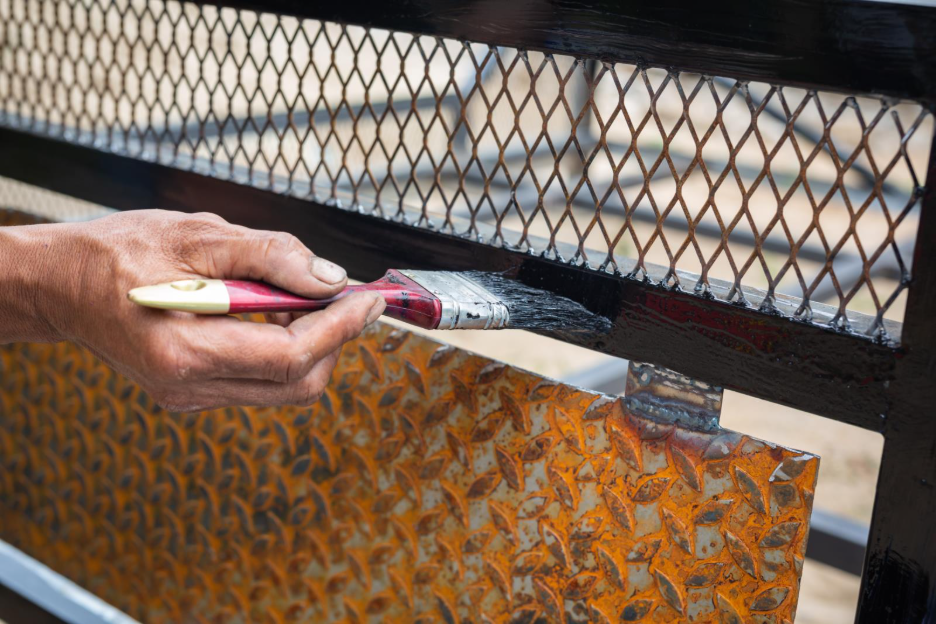
Once the gate starts peeling, fading, or cracking, it becomes vulnerable. Hence, it is very crucial to keep the coating. The starting point would be to examine the gate’s surface in natural daylight. This assists in detecting dullness, discoloration, or varnish disintegration.
To keep the painting clear, a new brush should be used, or a clear protective coating applied. Good-quality exterior paint is resistant to UV rays, resists oxidation, and enhances the gate’s appearance.
If the gate has decorative work or elaborate designs, one should use a fine brush. This gives adequate coverage to every crevice. The clean finish not only enhances the metal’s beauty but also extends its lifespan by providing extra protection against harsh weather.
5. Maintain Gate Alignment and Structural Integrity
A typical problem is misalignment of the gate due to ground movement, excessive use, or loose hardware. When a gate is out of alignment, it slides over the frame or the ground, causing unnecessary strain.
Over time, this strain causes cracks in welds, defective joints, and defective locks. Check the gate alignment by opening it slightly and repeatedly. When it is sagging, or shifting, or not moving, it needs to be changed.
Hinges entrap bolts and screws. The hinges should be clean and straight; if they are bent or worn out, they must be replaced right away. For sliding gates, ensure the track is clear of stones, dirt, and other obstructions.
6. Defined Routine Maintenance Schedule
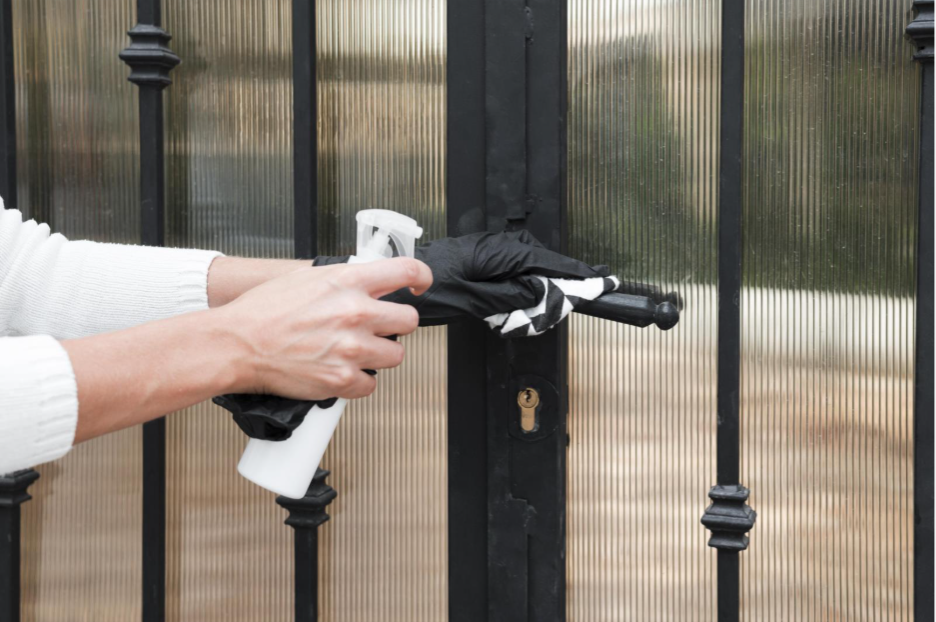
The secret to maintaining any structure is consistency, particularly one that is exposed to the elements of the outdoor environment. With a scheduled maintenance routine in place, cleaning, lubrication, inspection, and repairs are done before problems occur.
Divide tasks by frequency. For example, wipe down the gate monthly to prevent accumulation. Oil the moving components every two or three months. Check the rust and structural issues at the very beginning of the season. Wipe paint off the finish once a year or when it is spotted as wearing out.
Final Thoughts
Appropriate maintenance is not complex. A steel gate, with diligence, a definite course, and regular maintenance, may remain strong and attractive for years. The practices are a solution to prevent unnecessary harm and safeguard your investment while keeping your property looking presentable and safe.
Periodic maintenance also helps detect minor wear that, in most cases, may be overlooked until it becomes a significant problem. Remaining active and treating maintenance as a daily task, not a seasonal exercise, helps property owners keep the gate’s performance and appearance in good condition.
Eventually, such small, regular efforts ensure long-term stability and help maintain the polished appearance that adds value to the whole building.