Every business has a story, and every building holds the heartbeat of that story. From offices to hotels to retail spaces, energy use powers it all. But what if your building could do more than just consume power? What if it could think, learn, and adjust to your needs?
That’s where smart energy solutions step in-not just to save money, but to reshape the way your space lives and breathes. In a world that demands sustainability, efficiency, and comfort, these solutions are not a luxury-they’re a path forward. Read on and discover how technology can turn your commercial space into a smart, cost-saving powerhouse.
Understand the Building’s Energy Behavior
Every building has its own energy habits. Some run heating and cooling at full blast, even when rooms are empty. Others leave lights on all night. Many rely on outdated systems that waste electricity and rack up bills.
The first step to optimization is not changing the hardware-it’s understanding how your building behaves. Smart meters and sensors track usage throughout the day, showing when and where power is being used most. This data opens your eyes to patterns you never saw before. With it, you can make decisions that cut down waste and improve comfort without guesswork.
Bring All Systems into One Smart Network
Heating, lighting, air conditioning, elevators, and even water use-they all run on energy, but they rarely talk to each other. When systems work independently, they miss the opportunity to support one another. Smart energy solutions connect these systems through a central platform, where they can learn from shared data.
Your lighting system can dim when daylight pours in through the windows. Your air system can adjust based on how many people are in the building. When all parts of the building work together instead of alone, energy savings increase and efficiency becomes part of everyday operation.
Control from Anywhere, Anytime
Gone are the days when managing building energy meant checking control panels in dusty corners. With modern technology, building managers can monitor systems from a phone, tablet, or computer. Real-time dashboards let you see temperature, lighting, and usage across every room or floor.
You can make changes instantly-turning off lights in unused rooms, lowering heating in empty zones, or spotting maintenance issues before they grow. This kind of control means fewer surprises and quicker fixes. It empowers managers to stay proactive rather than reactive and supports a more responsive building that adapts with ease.
Use Smart Lighting to Cut Costs Without Losing Comfort
Lighting makes up a large part of energy use, but it’s also one of the easiest areas to improve. Smart lighting systems can sense when rooms are empty and turn off automatically. They adjust brightness depending on the time of day or the amount of natural light coming through windows.
You don’t need to sacrifice brightness or comfort to save. Instead, your building learns when and how to light each space effectively. Over time, this leads to lower electric bills and longer-lasting bulbs, all while keeping your tenants, staff, or customers comfortable.
Upgrade Heating and Cooling for Smarter Efficiency
Heating and cooling are often the biggest energy expenses in commercial spaces. Traditional HVAC systems run on set timers or manual adjustments, which may not match the actual needs of the space. Smart HVAC systems use real-time data, weather updates, and room occupancy sensors to decide how much heating or cooling is needed-and when.
This reduces wasted energy from overuse or poor timing. When indoor conditions match actual use and outside weather, the building becomes more comfortable without constant adjustments. The result is a balanced climate that supports both comfort and cost savings.
Tap into Renewable Energy That Supports Your Goals
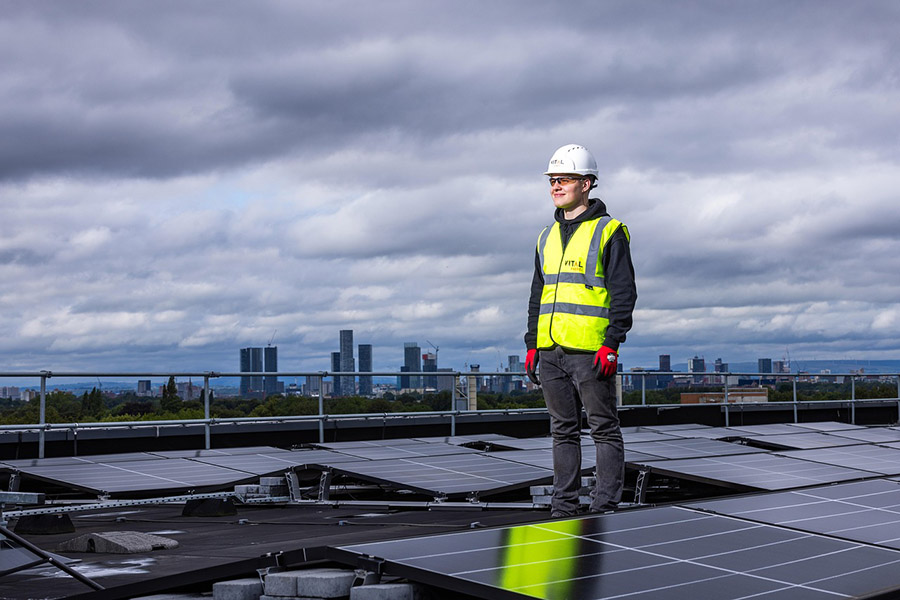
Many commercial buildings are now turning to clean energy to meet modern standards and reduce long-term costs. One growing option is commercial solar, which allows buildings to generate their own power directly from the sun. With rooftop panels or nearby solar installations, energy bills drop while your building reduces its carbon footprint.
Solar systems today are more affordable and efficient than ever. They can be combined with battery storage and monitoring tools to manage peak demand and prepare for outages. Investing in renewable energy is no longer just about being green-it’s also about staying competitive.
Predict Maintenance Before It Becomes a Problem
When something breaks, it costs more than just money. It interrupts daily work, causes discomfort, and sometimes even drives customers away. Smart building systems help reduce these risks by using predictive maintenance. Sensors watch for signs of wear-like vibrations, pressure changes, or unusual energy use-and alert you before a failure happens.
This means fewer emergencies and less time spent reacting. Maintenance teams can fix problems early, schedule downtime more wisely, and keep systems running longer. In the long run, fewer breakdowns mean lower repair costs and a building that stays reliable every day.
Involve the People Who Use the Space Every Day
Even the smartest systems need human cooperation to work at their best. Employees, tenants, and guests shape energy use with their habits-like leaving lights on, adjusting thermostats, or using equipment during peak hours. Education and awareness can lead to smarter choices. Displaying real-time energy use in lobbies or common areas helps people see the impact of their actions.
Rewards or simple reminders can encourage behaviors that save power. When the people inside the building understand the goals and see their role in the solution, they become part of the energy-saving strategy.
Track Progress and Adjust as You Grow
Smart energy optimization is not a one-time fix. It’s an ongoing process that adapts as your building changes. As you grow, add new equipment, or adjust floor plans, your systems should grow with you. The data collected each day shows you what’s working and where improvements can be made.
Reports help you measure energy savings, spot patterns, and plan upgrades. With the right tools, you can make decisions that are backed by evidence-not guesswork. This kind of tracking turns energy from a hidden cost into a managed resource, and puts you in charge of long-term sustainability.
Make Every Decision Count with Support from Experts
Technology alone cannot replace experience. Working with smart energy consultants or systems providers ensures you get the best tools for your specific space. Experts help you evaluate your building, plan upgrades, and choose solutions that match your goals and budget.
They also train your team and offer support during setup and beyond. This guidance helps you avoid costly mistakes and get the most from your investment. When you pair smart systems with smart advice, your building becomes a model of both innovation and care.
Smart Energy Is the Smart Way Forward
The future of building management is already here, and it’s smarter than ever. With connected systems, clear data, and responsive tools, commercial spaces can run cleaner, leaner, and more comfortably. From lighting to HVAC to solar power, every part of the building becomes an opportunity to save, to improve, and to grow.
Your next energy decision could be the one that transforms your building for good. Expand your knowledge and check out more posts on our blog!