Few places on earth have as much character and intrigue as Egypt. From the golden dunes of the Sahara Desert to the eternal Nile, every region has its own tale that is interwoven through time.
Most people come as visitors, marveling at historic sites and leaving enthralled by the living traditions—music, culinary delights, and hospitality —that revive the ancient landscapes. Visiting Egypt is more than just experiencing a pyramid or a temple, as one gets an opportunity to walk through a living and breathing museum of history and culture.
In addition to its pharaonic grandeur, Egypt is a land of bustling market streets and aromatic delights, as well as a people who take pride in their illustrious culture.
Whether it is the magic of archaeology, the adventure of cuisine, or the links to human souls, one thing is certain—the spirit of Egypt will envelop you in something timeless and personal.
Here is everything you need to know when planning your next trip to Egypt.
1. Discover Historical Center of Egypt
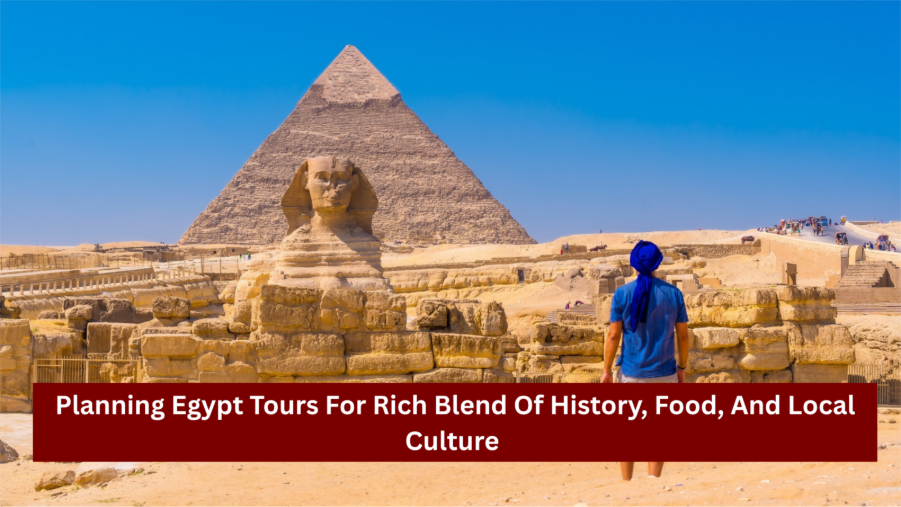
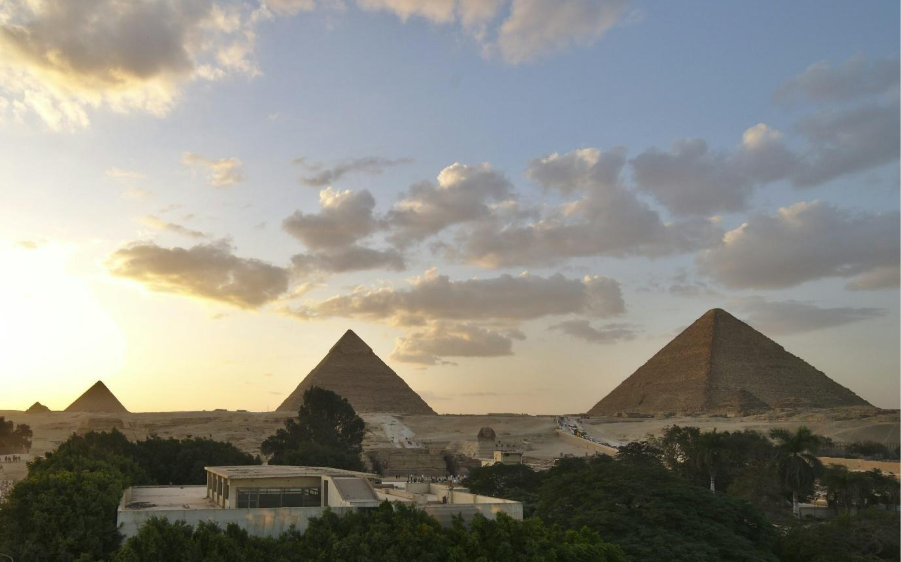
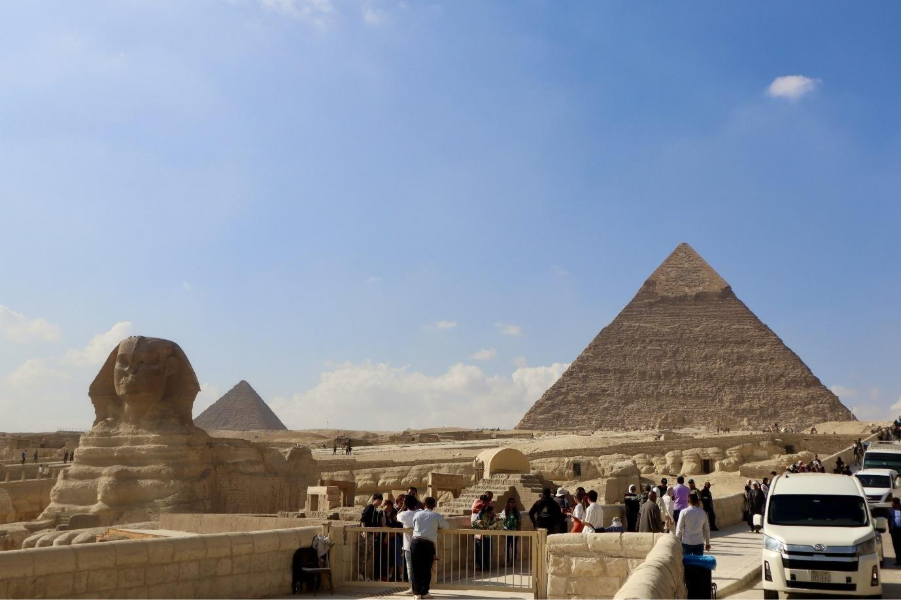
Most Egypt tours begin with some of the most historic sites that represent civilization itself, such as the Great Pyramids of Giza, the Sphinx, and the Valley of the Kings.
Actually, professional travel organizers ensure that visitors see these wonders and they understand the stories behind them. This includes the architecture, belief systems, and social frameworks that made these marvels possible.
Moreover, expert guides help explain every ancient material, allowing visitors to understand the role that Ancient Egypt has played in shaping modern history.
Beyond these iconic figures, Egypt’s history is a quieter presence in small temples, Nubian villages, and lesser-known burial sites, which embody as much the experiences of ordinary people as those of kings.
A well-planned Egypt tours incorporates these small and large experiences into a big picture of Egypt’s development.
2. Flavors of Egyptian Cuisine
Food in Egypt is a cultural language in itself, born from the land and flavored by centuries of trade.
Traditional dishes like koshari, a hearty combination of lentils, rice, and pasta; ful medames, or slow-cooked fava beans; and molokhia, a green soup with garlic and coriander, speak of resourcefulness and family tradition.
Crispy falafel, sweet pastry, and glasses of sugarcane juice are being served by street vendors to locals and tourists alike.
Food tours add an intimate dimension to travel, allowing visitors to experience community life through shared meals and cultural experiences.
It could be in homes or in local cafes, and the hospitality can be of warm bread and warmer smiles. Gastronomic discovery binds you to Egypt, not because of monuments but through tastes and conversations.
3. Immerse in Local Markets and Handicrafts
To understand Egyptian culture, walk into one of its many markets. Every city—Cairo, Aswan, Luxor—is a town unto itself in its rhythm and artisanship.
The markets here are profuse with spices, textiles, perfumes, alabaster carvings, and hand-woven rugs.
Shopping herein is not about souvenirs but rather the craftsmen one meets who preserve traditions passed down through generations.
An increasing number of professional tour operators offer visits to cooperatives or village workshops where visitors can see artisans working, carving, weaving, or painting by hand.
These experiences provide an appreciation of Egyptian craftsmanship while helping to reach the objective of gainful employment for local people in their communities.
The energy of these markets-negotiating, telling stories, and laughing-is the living heartbeat of this country.
4. Spiritual Pulse of Egypt
The history of Egypt’s faith and philosophy runs even deeper than the Nile: ancient temples at places like Karnak and Philae whisper of devotion to gods that once ruled human imagination.
Additionally, mosques in Islamic Cairo glow, and their call to prayer echoes across the centuries, while desert Coptic monasteries preserve early Christian heritage.
Visiting these spiritual landmarks helps put into perspective the diverse faiths of Egypt and their coexistence.
Travelers often find moments of peace in candle-lit chapels or under temple columns at sunrise.
These sites remind you that the story of Egypt is one not only of power and architecture but also of humanity’s search for meaning.
5. Desert Beyond Monuments
In Egypt, endless dunes hide treasures: oases, salt lakes, and the prehistoric rock art. A surreal creation of limestone, the White Desert features an almost lunar-like landscape at sunset.
Guided safaris and camping trips offer the opportunity to experience serenity firsthand for the more adventurous traveler.
These views give solitude and quiet contemplation away from the energy of urban Egypt. They remind travelers that nature plays a quiet role in shaping the spirit of this country.
Professional tour experts ensure that this type of excursion is not only safe but also environmentally responsible, focusing on striking a balance between adventure and respect for fragile ecosystems.
6. Food Festivals and Cultural Festivals
The festivals of Egypt seamlessly blend ancient traditions with modern joy, celebrating the rich cultural heritage that the country possesses.
Starting with events like the Abu Simbel Sun Festival, where the sun’s rays illuminate the statues of the gods inside a temple twice a year, to the Cairo International Film Festival, all eyes are drawn to the country’s creative input.
Local events add color to each season, whether through harvest gatherings, music festivals, or street parades.
Joining a festival allows tourists to participate rather than just sightseeing. The music, the dance, and the local foods all combine to allow the visitor to feel included within Egyptian society, rather than just being an outsider looking in.
If you schedule a visit to coincide with these events, even the most no-frills tour becomes a truly unforgettable cultural experience.
7. Find Nile’s Consistent Beat
The Nile River serves as the lifeblood of Egypt, the vital lifeline through the desert, which has supported agriculture and commerce for thousands of years.
For many travelers, it comes via river cruises between Luxor and Aswan, with temples rising from the banks while sunsets paint reflections of palm groves on the water.
The sail along the Nile surpasses the moment of relaxation into a connection with the pace of Egyptian life: farmers working in their fertile fields, fishers casting their nets, and children playing on the shore reflect the unbroken relationship between people and river.
A tour to Egypt should be planned around the experiences of the Nile: a felucca ride, a cruise, or stays along the riverbanks that expose this natural rhythm, continually rejuvenating Egypt.
Closing Remarks
Time, taste, and tradition are all interwoven into the planning of tours in Egypt. From the grandeur of ancient tombs to the scent of spices in Cairo’s souks, Egypt’s appeal lies in its rich diversity.
When your journey is a balance of history and modern life, adventure and comfort, sightseeing and connection, Egypt stops being just a destination; it’s a living story you’re part of.