Keeping your home pest-free isn’t a one-time task; it’s a year-round strategy. Each season brings its own complex pest challenges, from spring ants and summer mosquitoes to fall rodents and winter invaders seeking warmth.
The key is understanding how these patterns shift and knowing what to do before small issues turn into costly problems. With the right seasonal approach, you can stay ahead of pests, protect your home’s structure, and maintain a healthier living environment without constant guesswork or emergency treatments.
Why Seasonal Pest Control Looks Different in 2025
Smart homeowners are ditching the old “spray and pray” approach for data-driven prevention strategies that actually work. In places like Utah, climate change has completely rewritten the pest playbook, extending active seasons and forcing us to rethink traditional calendar-based timing.
The game-changer isn’t just warmer temperatures; it’s the integration of smart home sensors with pest monitoring technology. AI-powered apps now predict pest activity weeks in advance, while soil temperature monitoring tools give you precise windows for pre-emergence treatments. What used to be guesswork is now precision timing.
Utah’s unique climate conditions make professional guidance especially valuable during these shifting seasons. When homeowners partner with experienced pest control utah services, they gain access to location-specific knowledge about how warming trends affect local pest populations and migration patterns.
This shift toward predictive technology means you can finally stay ahead of infestations instead of constantly reacting to them. The old approach of waiting until you see pests is like locking your car doors after it’s been stolen.
Spring Awakening (March–May): Block the Great Pest Emergence
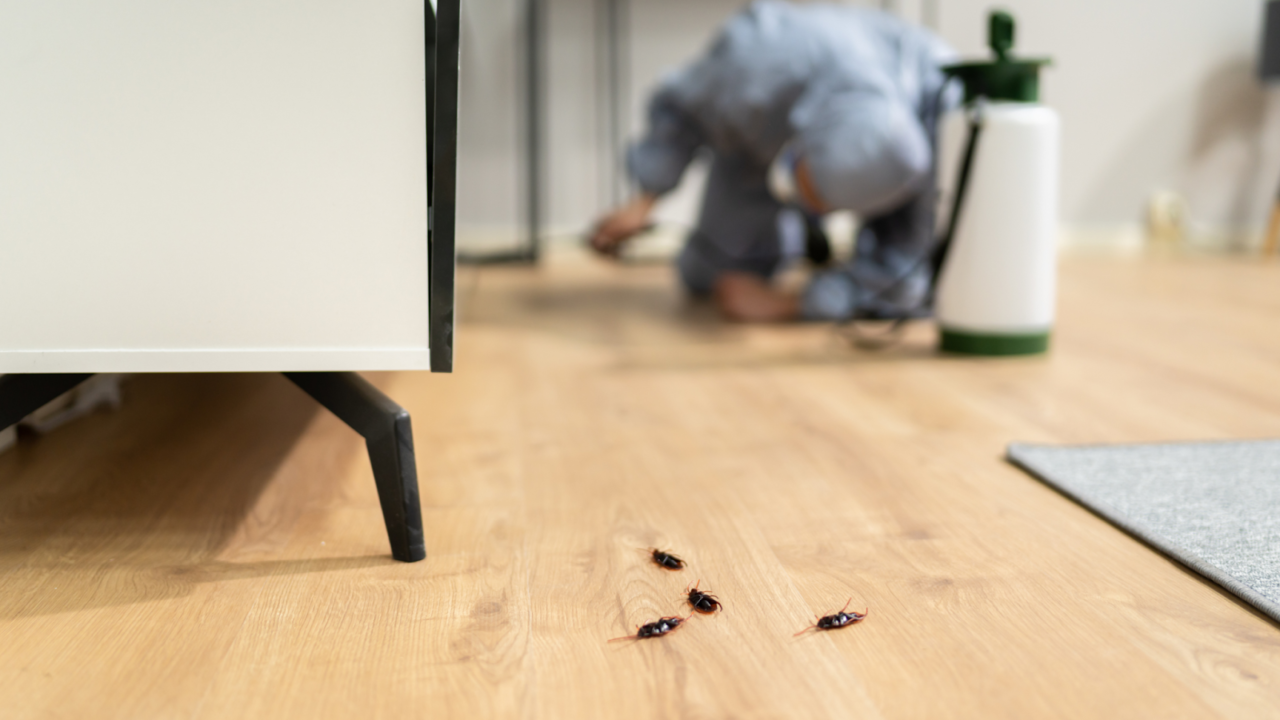
Spring 2025 brings earlier pest activity than anyone expected. Warmer soil temperatures are triggering termite swarms in early March instead of the traditional mid-April timeframe, catching unprepared homeowners off guard.
Key 2025 Spring Pest Threats and Timing Shifts
Termites aren’t the only ones adjusting their schedules. Ant colonies are establishing themselves earlier than ever, and spider populations are emerging from winter hiding long before they traditionally would. Public concern about tick-borne diseases is also rising as ticks push into longer active seasons.
The biggest threat? Seasonal pest control strategies based on outdated timing are falling short because the pests certainly aren’t following the old rules anymore.
Spring Action Plan: Moisture Control, Soil Prep, and Entry Sealing
Your spring defense starts with moisture management. Install moisture meters in crawl spaces and basements; termites need elevated wood moisture levels to establish colonies. Create a dry buffer zone around your foundation using decomposed granite instead of mulch.
Foundation crack sealing also becomes critical as temperatures shift. Use polyurethane caulk rather than latex; it stays flexible through seasonal changes and holds up significantly longer. Set up ant bait stations with borax-based gel a short distance from your home’s perimeter before scout ants begin exploring.
Smart Spring Tools to Get a Head Start
Technology has finally caught up with pest behavior. Soil temperature apps can now forecast termite swarming periods with impressive precision, giving homeowners a valuable window to prepare. Tools like the PestWorld app even include AI-powered local pest calendars that adjust to your specific microclimate.
Beneficial nematodes applied early in the season create an invisible army in your soil that naturally targets pest larvae. These microscopic allies work quietly in the background, building long-term protection while you go about your day.
Summer Siege (June–August): Master Peak Pest Activity
Summer pest pressure has intensified dramatically, with mosquito populations up 34% due to changing rainfall patterns and new invasive species spreading faster than traditional control methods can handle.
Why Summer 2025 Is a High-Pressure Pest Season
The Joro spider educational content reached 13,000 views on a single Facebook reel, revealing how quickly public concern spreads about new invasive threats. These aren’t just bigger spiders – they represent a pattern of climate-driven pest expansion into previously unaffected regions.
Stinging insects are building nests earlier and staying active later. Traditional wasp and hornet seasons now stretch from May through October instead of the historical June-September window.
Summer Defence Tactics for Mosquitoes, Wasps, and Garden Pests
Mosquito control requires attacking their breeding cycle. Install BTI dunks in all standing water sources every 30 days – these biological larvicides kill mosquito babies before they develop wings. Solar-powered oscillating fans on patios create constant air movement that mosquitoes can’t navigate.
Switch exterior lighting to amber LED strips that attract 40% fewer insects while providing better visibility. Deploy wasp traps 20+ feet from entertainment areas, using raw meat in early season and switching to sweet baits in late summer.
Pro-Level Summer Tech and Traps
The new MosquitoAlert system uses CO2 monitoring to predict high-activity periods, sending smartphone alerts when conditions favor swarm behavior. Ultrasonic pest deterrents finally work – dual-frequency models disrupt pest navigation without affecting humans or pets.
Updated pheromone traps now target 2025’s new invasive species with specialized attractant blends that weren’t available even two years ago.
Fall Invasion (September–November): Stop Pests From Moving In
Fall pest behavior has shifted dramatically as unpredictable weather patterns trigger earlier shelter-seeking behavior and expand stink bug invasions into new geographic areas.
How Rodent and Stink Bug Behavior Is Changing
Rodents are seeking indoor shelter three weeks earlier than historical data suggests, driven by weather instability rather than consistent temperature drops. Stink bugs, previously confined to specific regions, are now establishing populations in areas that nhave ever dealt with them before.
These behavioral changes mean your traditional fall preparation timeline needs updating to account for September invasions instead of October surprises.
Fall Fortification Checklist: Seal, Block, and Deter
Install door sweeps with integrated bristles and rubber seals – the combination blocks both large and tiny invaders more effectively than single-material barriers. Stuff steel wool into weep holes, then cover with hardware cloth for rodent-proof protection.
Apply peppermint oil-soaked cotton balls in potential entry points monthly, refreshing every 30 days for maximum effectiveness. Seal exterior outlets and utility penetrations with foam gaskets designed for outdoor weather exposure.
Using Thermal Imaging to Catch Problems Early
Smartphone thermal imaging apps can now detect rodent heat signatures in walls, catching infestations when there are only 2-3 mice instead of 20-30. The FLIR One thermal camera attachment costs $199 and pays for itself by identifying entry points invisible to the naked eye.
Scan your home’s exterior at dusk when warm air escaping through cracks reveals exactly where pests can enter.
Winter Lockdown (December–February): Maintain Your Pest-Free Fortress
Winter isn’t a break from pest control – it’s your opportunity to build stronger defenses and prepare for the next seasonal cycle.
Winter Is for Maintenance, Not Hibernation
Smart homeowners use the quiet winter months to address vulnerabilities that summer chaos didn’t allow time to fix. This mindset shift from reactive to proactive determines whether you’ll face repeat infestations or enjoy genuine year-round protection.
Winter maintenance work directly impacts spring success because sealed entry points stay effective for months, and environmental modifications continue working even when you’re not actively managing them.
Smart Winter Upgrades That Pay Off All Year
Deep clean with enzyme-based cleaners that eliminate pheromone trails from previous infestations – Dawn Platinum works effectively on most surfaces. Reorganize storage areas using metal shelving and sealed containers instead of cardboard boxes that serve as pest highways.
Install programmable dehumidifiers in basements and crawl spaces to maintain 30-50% humidity levels that discourage overwintering pests. The Victor Smart-Kill system uses Wi-Fi connectivity to provide real-time trap notifications and usage analytics.
| Season | Primary Threats | Key Actions | Success Timeline |
| Spring | Termites, Ants, Spiders | Soil treatment, moisture control, sealing | 2-4 weeks |
| Summer | Mosquitoes, Wasps, Flies | Water elimination, fans, and traps | 1-3 weeks |
| Fall | Rodents, Stink bugs | Entry sealing, thermal scanning | 3-6 weeks |
| Winter | Overwintering pests | Deep cleaning, monitoring | Ongoing |
Turn Your Home Into a Year-Round Pest Fortress
The seasonal pest control game has completely changed for 2025, and you’re now equipped with strategies most homeowners won’t discover until it’s too late. Remember the power trio: start spring prep in February instead of April, maintain consistent barriers year-round rather than panic-treating, and use smart monitoring tools that detect problems weeks before they become visible. Your home doesn’t have to be a seasonal pest hotel anymore.
FAQs on Year-Round Pest Prevention
How early should I start spring pest prevention in 2025?
Start mid-February, about six weeks earlier than traditional advice suggests, when soil temperatures hit 50°F for three consecutive days.
What’s the biggest mistake homeowners make with seasonal pest control?
Treating each season independently instead of building year-round momentum – each seasonal action should build on the previous one.
How do I know if my seasonal pest control is working?
Track pest sightings per week, entry point integrity, and humidity levels – effective control shows 80%+ reduction within 30 days.