Traveling opens up a world of adventure, especially when you embrace the great outdoors. However, staying healthy on the road is crucial if you want to make the most of your journey. Whether scaling a mountain or trekking through a dense forest, maintaining your wellbeing ensures every adventure is as fulfilling as planned. Before setting off, it’s smart to check out MedExpress discount codes to stock up on essentials that ensure you’re prepared for any adventure.
Pack Smart
Packing for outdoor travel isn’t about cramming everything you own into a bag—it’s about bringing the right stuff so you don’t get cold, soaked, dehydrated, or stuck improvising a bandage with a sock.
- Clothing and Gear: Dress for reality, not optimism. Go for weather-appropriate gear and use layers (base layer, warm layer, shell) so you can handle morning chill, midday heat, and surprise wind without having to change your whole outfit. Prioritize quick-dry fabrics over cotton, and don’t forget the unglamorous essentials: solid socks, a hat, and something waterproof.
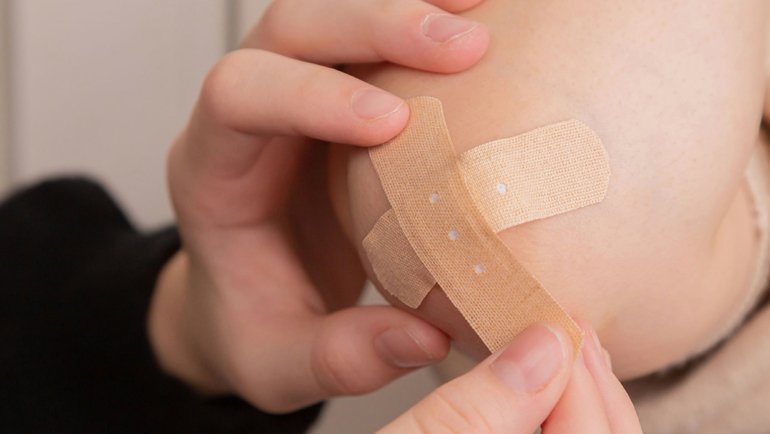
- First Aid Kit: Keep a basic kit that actually covers common outdoor issues: band-aids, blister care, antiseptic wipes, gauze, tape, tweezers, pain relievers, and any personal meds you rely on. If you’re hiking or climbing, throw in a couple extras like an elastic wrap and moleskin—small items, big payoff when things go sideways.
- Hydration Solutions: If you’re heading anywhere remote, don’t bet your trip on “there will be a stream.” Carry a refillable bottle or hydration bladder, and bring a backup plan: a portable filter or purification tablets. Clean water is one of those boring details that quietly decides whether your adventure is fun or miserable.

Stay Hydrated and Well-Nourished
Hydration and food sound basic, but they’re the two things that quietly decide whether your day turns into a great story or a slow-motion crash.
- Water Intake: Don’t “wait until you’re thirsty.” By then, you’re already behind. Carry a bottle or bladder you’ll actually use, sip regularly, and top up whenever you can. In hot weather, high altitude, or long climbs, you’ll burn through water fast—plan for it. If you’re sweating a lot, add electrolytes (tablets or a pinch of oral rehydration powder) so the water sticks instead of just running through you.
- Snacks & Nutrition: Outdoor days demand steady fuel, not one giant meal and vibes. Pack snacks that survive heat, cold, and being crushed: nuts, trail mix, jerky, dried fruit, oats packets, nut butter, energy bars. Aim for a mix of carbs (quick energy) and protein/fat (stays with you), and eat small amounts consistently—every hour or two is a good rhythm. Also: salt matters. If you’re hiking hard, a few salty snacks can make a real difference in how you feel.
Protect Against the Elements
The outdoors doesn’t usually “get you” with one big dramatic moment. It’s the slow stuff: sun you don’t notice, wind that steals body heat, a surprise downpour that turns into a long, cold hike back. Plan for that.
- Sun Protection: Don’t wait until you’re already burning. Put on a broad-spectrum sunscreen (SPF 30+ is the usual baseline) before you head out, then reapply every couple of hours—sooner if you’re sweating or swimming. Cover the easy-to-forget spots: ears, back of neck, tops of feet, hands. A brimmed hat beats a cap for real shade, and UV-rated sunglasses help with glare, eye strain, and that sneaky high-altitude sun that hits harder than expected.
- Weather Preparedness: Forecasts are helpful, but weather still does what it wants. Bring a lightweight rain shell even if the sky looks innocent. If you’re in variable conditions, layers win: a moisture-wicking base, something warm, and a wind/rain layer on top. If temperatures can drop (even in summer), pack an extra insulating layer and keep one “dry set” protected in a bag. Bonus habit: check the forecast and wind/temp swings the night before and the morning of—then plan your turnaround time like weather is going to change, because it probably will.
Preventative Health Measures
A lot of travel health problems are easier to prevent than to “tough out” later. Do the boring stuff early, so you don’t spend your trip hunting for a clinic in a place with sketchy hours and a language barrier.
- Vaccinations: Don’t guess—check official guidance for your destination (and any countries you’re transiting through). Some shots need a series or take a couple weeks to fully kick in, so book them well ahead of departure. If you’re hiking remote areas, ask specifically about things like tetanus updates, rabies risk (animals + distance from care), and region-specific illnesses.
- Bug repellents: Insect bites are more than itchy—mosquitoes and ticks can carry serious diseases. Pack an effective repellent and actually use it, especially at dawn/dusk and in wooded or wet areas. Treat clothing/gear when appropriate, wear long sleeves/pants in high-risk zones, and do quick tick checks daily (the sooner you catch one, the better).

Practice Good Hygiene
Outdoorsy travel is basically a long string of “close enough” situations: shared bus rails, public toilets, sweaty gear, questionable tap water. Hygiene isn’t glamorous, but it’s one of the fastest ways to avoid wrecking a trip with stomach issues, a respiratory bug, or a random skin infection.
Prioritize Hand Hygiene
- Make clean hands non-negotiable.
Carry a small hand sanitizer where you can reach it (hip belt pocket, jacket, daypack strap pouch). Use it:
- before eating
- after bathroom breaks
- after handling cash
- after touching high-traffic surfaces
If your hands are visibly dirty, sanitizer won’t cut it—use soap and water or a wet wipe first.
Use Wipes Like a “Field Shower”
- Wipes are your field shower.
Antibacterial wipes are great, but even regular baby wipes do a lot of work. Focus on:
- face and neck
- hands
- anywhere your gear rubs
A quick wipe-down at the end of the day helps prevent chafing, rashes, and that “my skin is mad at me” feeling.
Separate Clean vs. Dirty Gear
- Keep “dirty” and “clean” gear separate.
Create a simple system:
- one zip bag for trash and used wipes
- one bag for clean toiletries
Don’t toss a toothbrush into the same pocket as blister plasters, muddy tent stakes, and yesterday’s socks. Simple system, fewer weird infections.
Be Smart About Water
- Handle water wisely.
Brush your teeth with treated/filtered water in places where tap water is a gamble.
Also don’t skip the boring step: wash hands after you’ve filtered water if you just handled creek water, filters, or bottle threads.
Take Foot Care Seriously
- Respect your feet.
Clean, dry socks beat heroic grit every time. Build in basic habits:
- air out your feet
- let shoes dry when you can
- treat hot spots early
Foot funk can turn into cracks, blisters, and infections fast—especially on multi-day treks.
Treat Small Injuries Early
- Small cuts deserve attention.
Dirt plus sweat plus friction is a perfect recipe for irritation that escalates. Keep it simple:
- wash
- disinfect
- cover
- re-check daily
Bottom Line
Good hygiene while travelling isn’t about being precious—it’s about staying functional. Clean enough to keep moving.
Stay Informed and Stay Safe
Remote trail, unfamiliar country, new bugs in the air—your best defense is knowing what’s happening before it happens.
- Local Health Advisories: Do a quick scan of official sources the week you leave and again when you land. Look for things like heat warnings, wildfire smoke, water safety notices, outbreaks, or park closures. If you’re heading into backcountry areas, check ranger stations, local weather alerts, and recent trail reports too—“open” doesn’t always mean “safe.”
- Emergency Contacts: Don’t assume you’ll have signal when you need it. Save key numbers offline: local emergency services, nearest clinic, local rescue/park services, and your country’s embassy/consulate. Also pin (or screenshot) the locations of nearby hospitals and urgent care on your map app. If you’re traveling with someone, agree on a simple plan: where to meet if you get separated, and who calls for help if one of you gets hurt.
The goal isn’t to be paranoid—it’s to be hard to surprise.