Curiosity is often described as a desire to know, but in historic places, it becomes a richer and more layered concept. It is not just about gathering facts or recognizing famous names. It is about how people move, pause, question, imagine, and connect when surrounded by the physical remains of earlier lives.
Historic places reward curiosity differently from modern spaces. They do not explain themselves fully. They invite interpretation, reflection, and patience. Exploring what curiosity looks like in these environments helps explain why some visits feel transformative while others feel fleeting. Continue reading to find out more.
Curiosity Begins With Pace, Not Information
One of the clearest indicators of curiosity in a historic place is a shift in pace. Curious visitors slow down. They resist the urge to rush from highlight to highlight and instead allow the environment to set the rhythm.
This slower pace allows subtle details to emerge:
- The way doorways change height across centuries
- Variations in stonework that reflect different economic periods
- Quiet corners that suggest how people once moved through space
Historic places were shaped over time, not designed for efficiency. Curiosity recognizes that understanding unfolds gradually, often in moments that cannot be planned.
Curiosity Is the Willingness to Look Beyond the Obvious
Landmarks and monuments often dominate attention, but curiosity frequently leads away from the center of focus. It draws the eye to side streets, secondary buildings, and overlooked details.
This kind of curiosity values:
- Peripheral spaces rather than main attractions
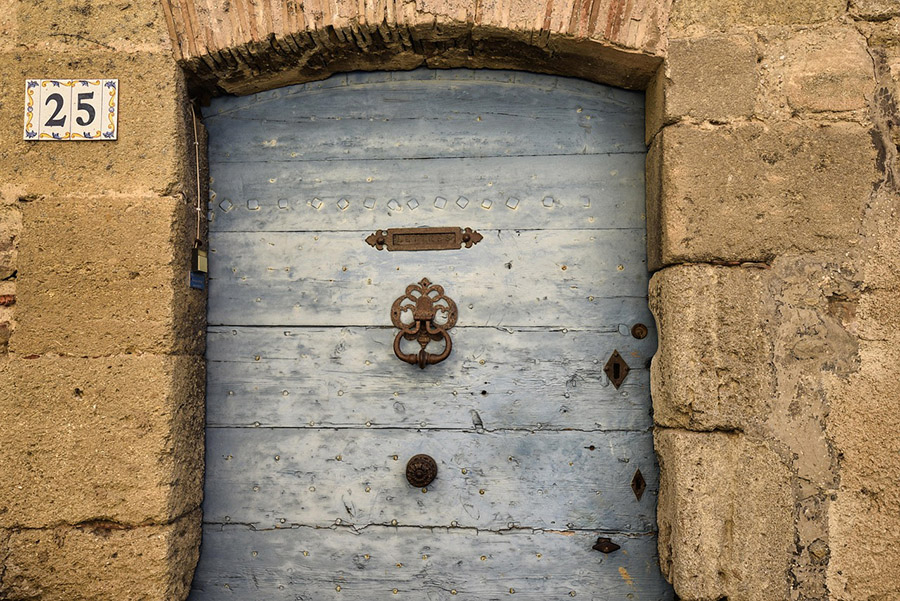
- Transitional areas like courtyards, stairwells, and thresholds
- Signs of adaptation, repair, or reuse
These details often reveal how a place actually functioned, rather than how it was meant to be remembered.
Curiosity Asks Interpretive Questions
Most historic sites are good at providing answers to factual questions. Dates, architects, rulers, and major events are usually well documented. Curiosity deepens when questions move beyond fact into interpretation.
Interpretive curiosity asks:
- Why was this space organized in this way?
- What values are reflected in the design?
- Who was empowered by this structure and who was excluded?
These questions turn history into an active process rather than a finished narrative.
Curiosity Is Attentive to Everyday Life
Grand narratives dominate many historic settings, but curiosity often gravitates toward the ordinary. It looks for traces of daily routines, not just ceremonial moments.
This includes:
- Domestic layouts that reveal family life
- Wear patterns that suggest repeated use
- Modest structures that supported larger systems
By focusing on everyday life, curiosity restores balance to history. It reminds us that historic places were shaped by countless small decisions, not only monumental events.
Curiosity Accepts Silence and Absence
Not all stories survive. Records disappear. Voices are lost. Meanings shift. Curiosity in historic places includes an acceptance of what cannot be known.
Rather than rushing to fill gaps, curiosity sits with uncertainty:
- Acknowledging missing perspectives
- Recognizing conflicting interpretations
- Allowing space for unanswered questions
This openness often leads to deeper engagement than certainty ever could.
Curiosity Connects Place to Wider Systems
Historic places exist within networks of trade, power, belief, and movement. Curiosity naturally expands outward, connecting the local to the regional and the global.
This might involve considering:
- How geography influenced development
- How political shifts altered architecture and function
- How migration and exchange shaped identity
Cities with long histories are especially revealing in this regard. A well-framed Vienna travel guide, for example, can help situate individual buildings and streets within wider cultural and historical movements, showing how local spaces reflect broader European change.
Curiosity Engages the Senses
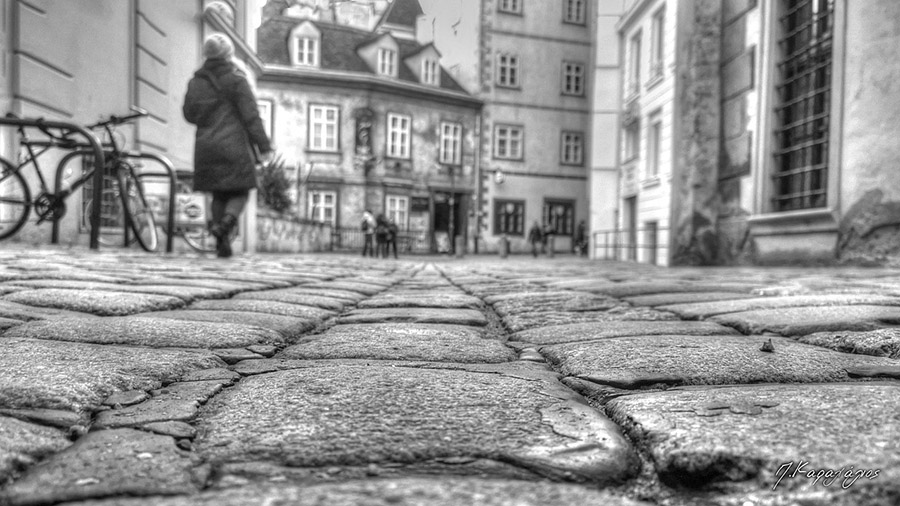
Curiosity is not purely intellectual. Historic places communicate through sound, texture, light, and atmosphere.
Curious engagement might involve:
- Listening to how sound travels in old halls
- Noticing temperature changes between spaces
- Observing how natural light interacts with aged materials
These sensory experiences often leave stronger impressions than written explanations, creating emotional memory alongside intellectual understanding.
Curiosity Encourages Empathic Imagination
One of the most powerful forms of curiosity is the attempt to understand how people in the past experienced their world. This does not mean projecting modern values backwards, but trying to grasp historical context on its own terms.
Empathic curiosity considers:
- The constraints people lived under
- The fears and hopes that shaped choices
- The social norms that defined possibility
This approach deepens understanding without simplifying history or excusing harm.
Curiosity Questions Authority and Narrative
Historic places often present curated stories. Curiosity challenges this by asking whose version of history is being told and why.
It looks for:
- Whose voices dominate interpretation
- Which perspectives are marginalized or absent
- How power shaped preservation and memory
This questioning does not undermine history. It strengthens it by acknowledging complexity and contestation.
Curiosity Evolves Over Time
Historic places rarely reveal everything at once. Curiosity changes with the visitor. A first visit may focus on scale and beauty, while later visits uncover nuance and contradiction.
Repeated engagement allows:
- Deeper contextual understanding
- New interpretations as personal experience grows
- Ongoing dialogue with place rather than a single encounter
Curiosity thrives on return and reconsideration.
Curiosity Turns Travel Into Relationship
When curiosity leads the way, travel stops being transactional. Historic places are no longer items to tick off an itinerary or photographs to collect. Instead, they become places you begin to know, return to mentally, and carry with you long after you have left.
Curiosity-driven travel often reshapes how people move through a place. Instead of rushing to see everything, travelers may return to the same street, café, or viewpoint multiple times, each visit revealing a different experience. Familiarity replaces urgency. The place begins to feel less like an attraction and more like a reference point.
This relationship also influences how people learn. After visiting a historic place with curiosity, travelers often continue engaging with it through reading, documentaries, music, or conversations. A single visit becomes the beginning of an ongoing interest. History stops being abstract and starts feeling personal, anchored to specific spaces and experiences.
What Curiosity Ultimately Reveals
Curiosity in historic places reveals more than historical facts. It reveals how societies remember, how power is preserved, and how meaning is constructed over time.
Most importantly, curiosity reminds us that history is not static. It is a conversation between past and present, shaped by what we notice, question, and choose to engage with.
Approached with curiosity, historic places move beyond preservation. They become spaces of learning, reflection, and ongoing discovery.