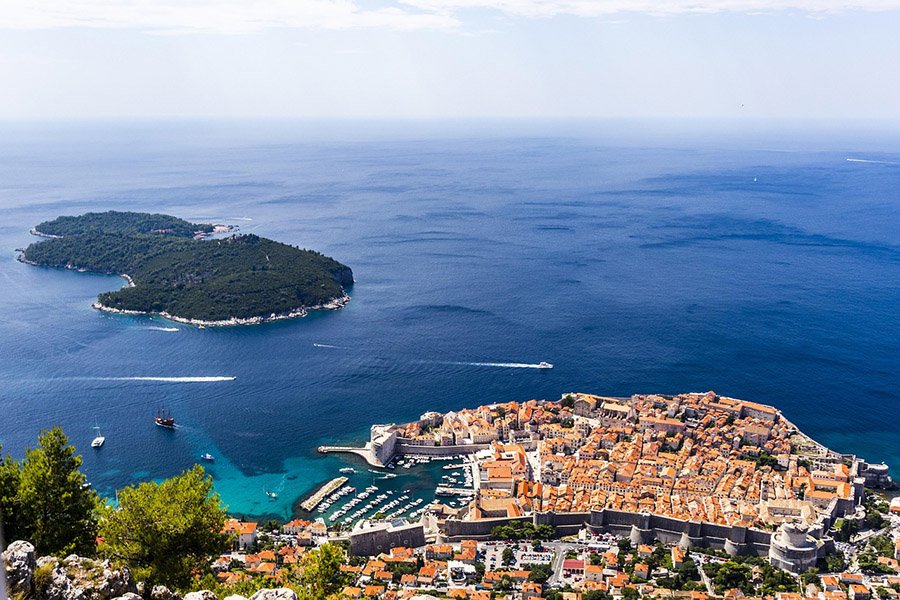
Croatia feels like Europe’s best-kept secret that’s not quite secret anymore. The country is a stunning Adriatic paradise where medieval cities cascade down to crystal-clear waters, and national parks preserve some of the continent’s most pristine wilderness.
This crescent-shaped Central European holiday destination offers an incredible diversity of experiences, from the sun-soaked islands of Dalmatia to the thundering waterfalls of Plitvice Lakes, making it a year-round destination. The challenge isn’t whether Croatia is worth visiting (it absolutely is), but rather when to visit for the experience you’re dreaming of.
Do you want to swim under the summer sun, hike through autumn forests painted in gold, or explore ancient cities without the crowds? Understanding Croatia’s seasonal rhythms will help you choose the perfect time to fall in love with this Balkan gem, which is why we’ve put together this guide to the best time to visit.
The Best Time of Year to Visit Croatia
For most travellers, the sweet spot for visiting Croatia falls between late April and early October. May, September, and early October emerge as the absolute golden months for experiencing the country at its finest.
These shoulder season periods offer the perfect trifecta of beautiful weather, manageable crowds, and reasonable prices, particularly September, when the sea reaches its warmest temperatures and summer crowds begin to thin.
Croatia in Spring

Spring awakens Croatia from its winter slumber, transforming the landscape into a tapestry of wildflowers, fresh green foliage, and that crisp, clean air that makes every breath feel rejuvenating. March through May brings temperatures that dance between 15-25°C, creating perfect conditions for hiking through national parks where waterfalls run full from winter rains and migratory birds return to fill the forests with song.
The crowds haven’t yet arrived in force in the spring, meaning you’ll have iconic spots like Dubrovnik’s city walls or Plitvice’s wooden walkways largely to yourself. Accommodation prices remain reasonable during spring months, and many outdoor activity operators offer their best deals before peak season kicks in.
Spring is absolutely magical for nature lovers and hikers, offering comfortable temperatures for exploring Croatia’s eight national parks when they’re at their most pristine and uncrowded. Be aware that some coastal establishments might still be operating on reduced schedules, particularly in March and early April, but this just creates opportunities for more authentic experiences.
Croatia in Summer
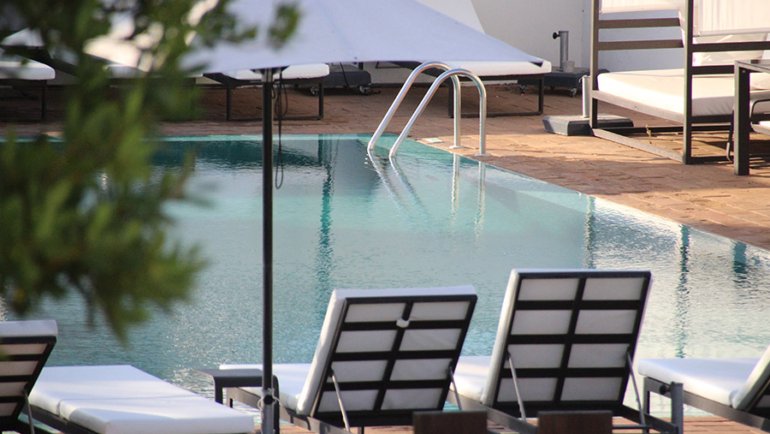
Summer in Croatia is pure Mediterranean magic. Think endless blue skies, sea temperatures that hover around a perfect 25°C, and those long, languid days that seem designed specifically for lounging on secluded beaches or dining al fresco as the sun sets over ancient stone cities.
June through August delivers virtually guaranteed sunshine with temperatures reaching 25-30°C along the coast, making it ideal for all those classic Croatian experiences: island hopping through the Dalmatian archipelago, swimming in hidden coves, and exploring coastal cities that glow golden in the evening light. However, summer’s popularity comes with significant trade-offs that outdoor enthusiasts should consider carefully.
National parks like Plitvice and Krka can feel overwhelmed with visitors, hiking becomes less comfortable during the hottest parts of the day, and accommodation prices soar to their annual peaks. The famous cities like Dubrovnik and Split buzz with energy but also with crowds that can make authentic exploration challenging, particularly when cruise ships disgorge thousands of day-trippers simultaneously.
For families and beach lovers or those planning a Croatia cruise who prioritise guaranteed sunshine and warm water over solitude and budget considerations, summer remains the obvious choice. Just be prepared to book well in advance and embrace the social energy that comes with peak season.
Croatia in Autumn

Autumn paints Croatia in shades of gold and amber, creating perhaps the most romantic and photogenic season. The summer heat subsides, but the sea retains its warmth, and the landscape takes on an almost ethereal beauty.
September through November offers what many consider the perfect Croatian experience – temperatures ranging from a comfortable 20-25°C in early autumn to crisp 15-20°C as winter approaches, ideal for hiking, cycling, and exploring without the intense heat or overwhelming crowds. The Adriatic Sea reaches its warmest temperatures in September and October, making beach days and swimming still delightfully possible.
This is prime time for outdoor enthusiasts who want to experience Croatia’s national parks at their most spectacular. Imagine hiking through Plitvice when autumn leaves create a natural kaleidoscope above the turquoise lakes, or exploring Paklenica‘s dramatic canyons without the summer heat.
The coastal cities regain their authentic rhythm in the autumn, as locals reclaim their towns from summer tourists. Wine harvest season adds another dimension to autumn visits, and accommodation prices drop significantly after September, which is another advantage.
Croatia in Winter
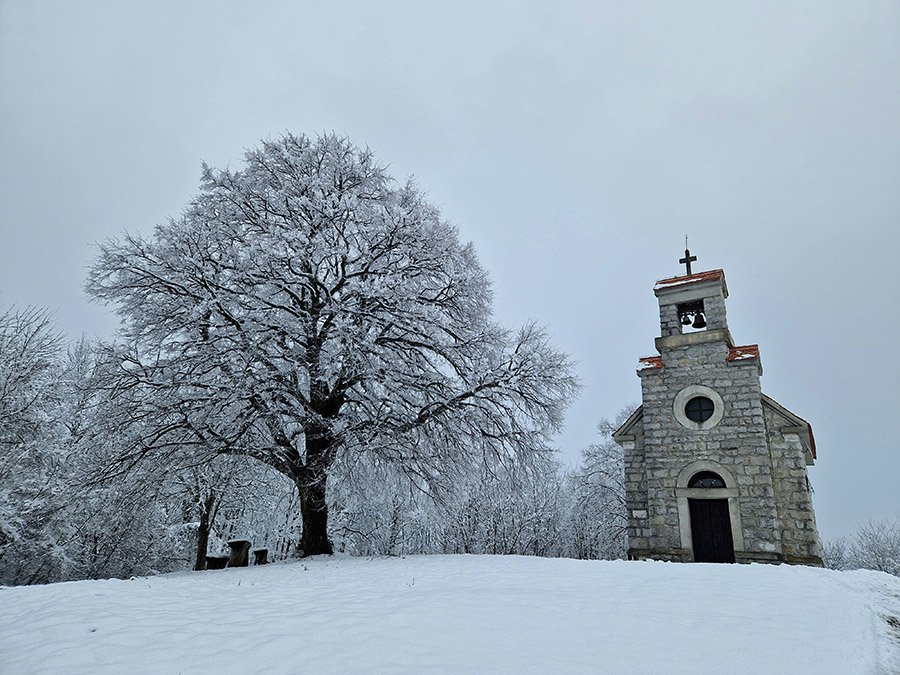
Winter reveals peaceful retreats perfect for cultural exploration and cozy mountain hideaways in Croatia. December through February brings cooler temperatures (5-15°C) and the possibility of rain, but also creates opportunities for incredibly atmospheric experiences.
The tourist infrastructure scales way back during winter months, with many coastal hotels and restaurants closing, but this creates a more authentic experience. Winter is perfect for exploring Croatia’s cultural treasures without crowds – Split’s Diocletian’s Palace becomes an intimate journey through Roman history, while Zagreb’s Christmas markets and café culture provide cosy refuges from the cooler weather.
Budget-conscious travellers will find winter offers the best deals on accommodation and flights to Croatia, though they’ll need to accept limited opening hours for some attractions and restaurants, plus the possibility of weather disrupting outdoor plans.
Time to Visit Croatia?
Ultimately, the best time to visit Croatia depends entirely on what kind of experience calls to your adventurous spirit. The key is matching your priorities – crowds versus solitude, guaranteed beach weather versus comfortable hiking conditions, peak experiences versus budget considerations – with the season that best delivers what you’re seeking.