Travel has a way of filling your days quickly. One moment you are navigating a new street, the next you are watching light spill over a landscape you have never seen before. Somewhere in between, you want to capture it all without feeling weighed down or distracted by your gear. That is where choosing the right camera starts to matter more than most people expect.
Many travelers buy a camera based on specs or trends, only to realize later that it does not suit how they actually move through the world. But the best travel camera is not just about graphic quality. It is about comfort, ease, and confidence.
Below are the key considerations that help you choose a camera that supports your travels rather than complicates them.
Image Quality in Changing Light
Travel photography rarely waits for ideal conditions. You might be shooting under soft morning light one moment and harsh midday sun the next. Later, you may find yourself indoors or wandering through streets lit only by shop windows and street lamps.
Instead of chasing perfect technical performance, it helps to think about consistency. A good travel camera handles these shifts quietly in the background, so you do not need to stop and adjust constantly. When image quality feels dependable across different situations, photography becomes more relaxed and intuitive.
It also helps to think about the types of moments you enjoy capturing most. Are you drawn to landscapes, street scenes, or candid moments with people? A camera that adapts well to varied lighting allows you to explore all of these without hesitation.
Portability and Weight
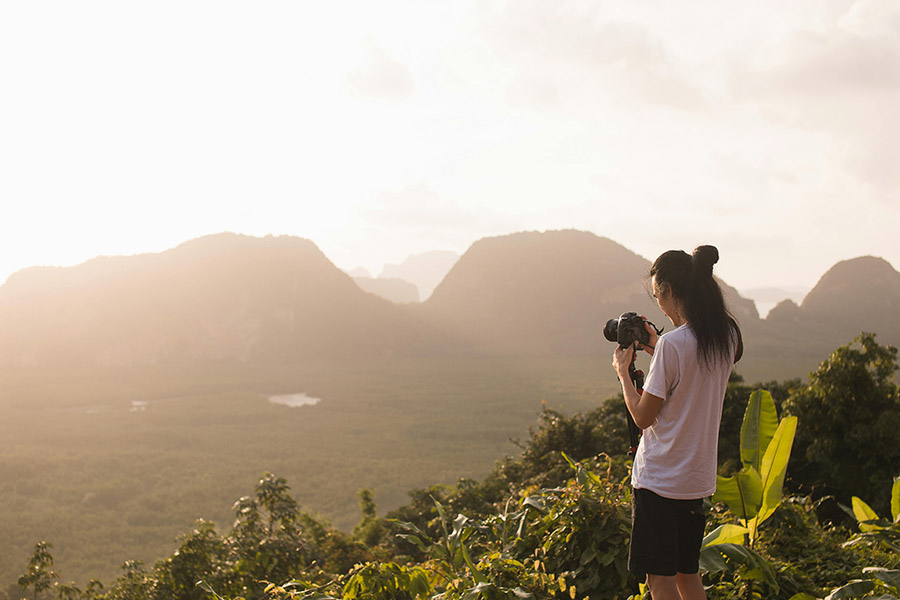
Portability shapes how often you actually use your camera. When you are walking for hours, navigating public transport, or squeezing into small spaces, bulky gear can quickly feel like an obstacle. A lighter, more compact camera encourages spontaneity. You are more likely to lift it, frame a shot, and keep moving without breaking your rhythm.
And here’s the reassuring part: Compact no longer means compromising on quality. Established camera brands such as Nikon now offer compact mirrorless options that balance size with strong image performance. These models often feature strong dynamic range, effective stabilization, and intuitive controls, which help when lighting and scenes change quickly. This makes them well-suited for the varied pace of travel.
If you enjoy comparing options at your own pace, trusted retail platforms like Adorama make the process easier. They clearly list specifications, dimensions, and key features, helping you see what fits your travel style before deciding.
Battery Life and Charging Convenience
Long travel days can stretch further than expected. You might leave early, get caught up exploring, and return much later than planned. In these moments, worrying about battery life can pull attention away from the experience.
A camera with solid battery performance offers reassurance. It lets you enjoy the day without constantly checking power levels. Charging convenience also plays a role here. Many travelers appreciate cameras that can be charged via USB, especially when carrying a single power bank for multiple devices.
Simple features like this make travel days smoother because they reduce the number of things you need to manage. Less gear to track often means more mental space to enjoy where you are.
Durability and Reliability on the Road
Travel exposes gear to constant movement. Cameras are packed and unpacked repeatedly, carried through changing weather, and sometimes handled in less-than-ideal conditions. While most trips do not require extreme durability, a travel camera should feel solid and dependable.
Reliability is often underestimated, but it plays a big role in peace of mind. When you trust that your camera will work as expected, you feel more relaxed using it. That confidence encourages experimentation and makes photography feel like a pleasure rather than a responsibility.
Ease of Use While Traveling
Travel photography is often spontaneous. A scene unfolds quickly, and the moment may not wait for you to scroll through menus or adjust complex settings. A camera that feels intuitive helps you stay present.
Ease of use shows up in small but important ways, such as:
- Controls that are easy to reach without looking
- Menus that feel clear rather than cluttered
- Settings that can be adjusted quickly on the move
When a camera feels comfortable in your hands, it fades into the background. You stop thinking about how to use it and start focusing on what you are seeing instead.
Wrapping Up
Choosing a camera for travel photography is not about finding the most advanced option. It is about finding one that fits comfortably into your journey. When portability, consistent image quality, battery life, ease of use, and reliability come together, your camera supports the experience instead of competing with it. With the right choice, photography becomes a natural part of travel, helping you capture moments while still staying fully present in them