Some animals rely on more than one heart to survive. This may sound unusual, but it makes sense once you consider their lifestyle, blood chemistry or habitat.
Extra hearts or heart-like pumps help move blood efficiently, support active movement or overcome low-oxygen environments. Below are six species that genuinely have multiple hearts or true pumping organs. These are the only well-documented examples in the animal kingdom.
6 Animals With Multiple Hearts
1. Octopus
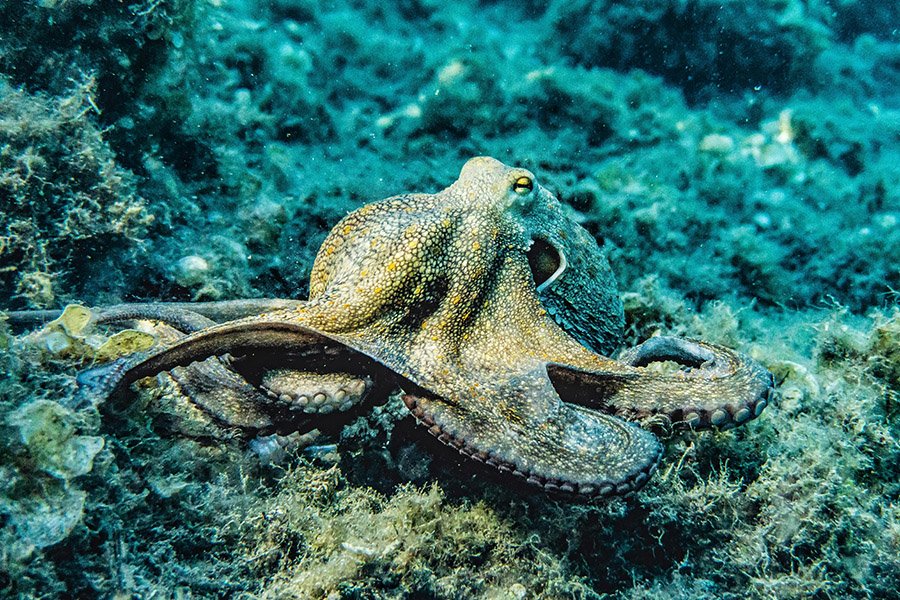
- Scientific name: Octopus vulgaris
- Type: Mollusc
- Conservation status: Least Concern
- Number of hearts: 3 hearts (1 systemic, 2 branchial)
Octopuses have a remarkable circulatory system with three separate hearts. One systemic heart pumps blood around the body, while two branchial hearts pump blood through the gills. This design supports their high-energy lifestyle, which includes hunting, problem-solving and short bursts of fast swimming.
Their blood is copper-based rather than iron-based, so it carries oxygen less efficiently. Multiple hearts help compensate for this limitation. When an octopus swims rapidly, the systemic heart temporarily stops beating, which is why they prefer crawling across the seafloor instead of sustained swimming.
Did you know? Octopuses have blue blood because of hemocyanin, a copper-rich protein.
2. Squid
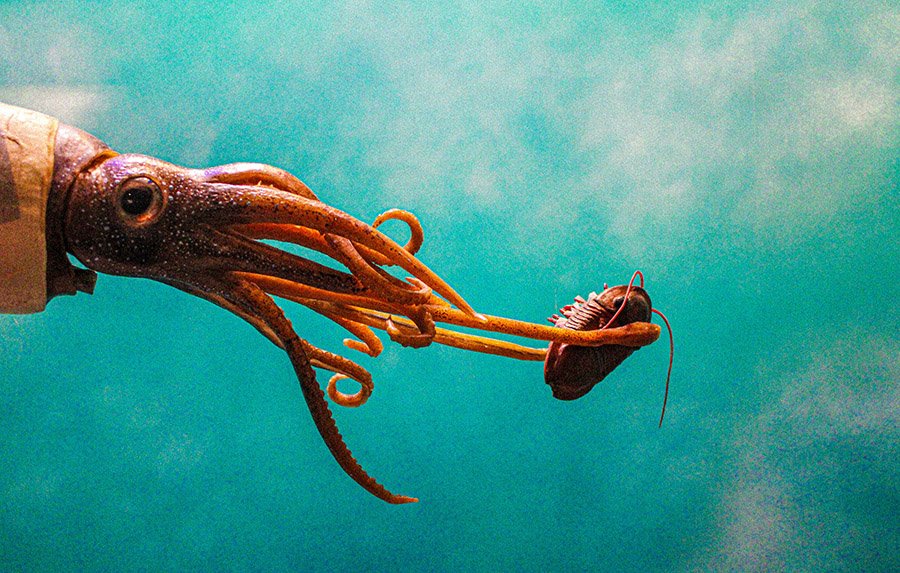
- Scientific name: Loligo spp.
- Type: Mollusc
- Conservation status: Varies by species
- Number of hearts: 3 hearts (1 systemic, 2 branchial)
Like octopuses, squid also have one systemic heart and two branchial hearts. These hearts work together to support a fast, streamlined lifestyle. Squid are among the quickest invertebrates in the ocean and rely on jet propulsion to escape predators or chase prey.
Their high-speed movement requires continuous oxygen delivery, and multiple hearts keep blood flowing steadily through their gills and tissues. Because they live in cold or low-oxygen waters, the extra hearts provide an important advantage for survival.
Did you know? The giant squid has the largest eyes of any animal, reaching up to 25 centimetres across.
3. Cuttlefish
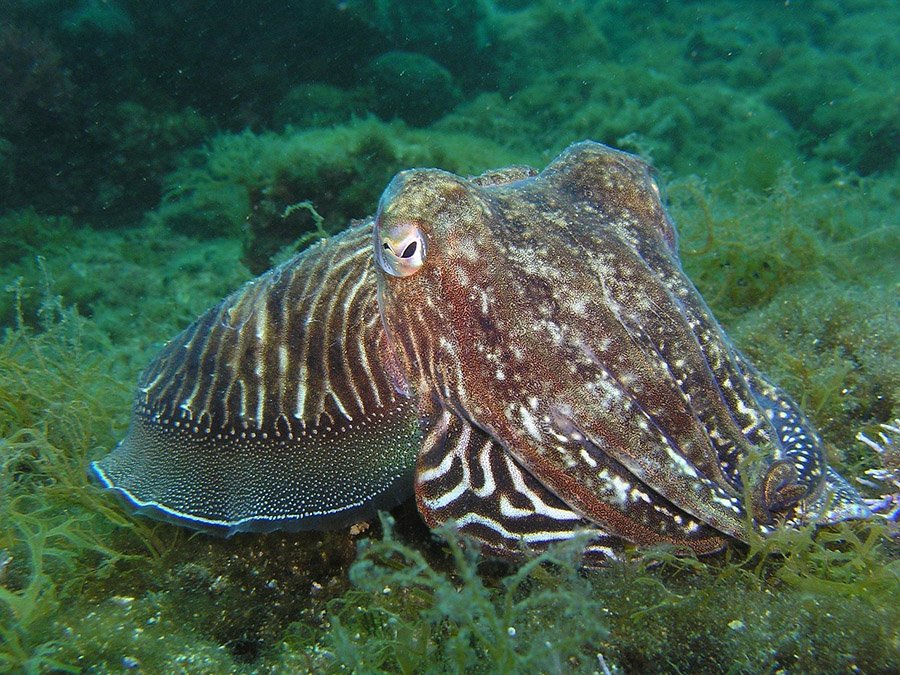
- Scientific name: Sepia officinalis
- Type: Mollusc
- Conservation status: Least Concern
- Number of hearts: 3 hearts (1 systemic, 2 branchial)
Cuttlefish also possess a trio of hearts. Their systemic heart distributes blood through the entire body, while each branchial heart pumps blood through one of the gills. Cuttlefish rely on rapid camouflage, hunting and manoeuvring through complex reef environments, all of which require strong oxygen delivery.
Their hearts work hard because their copper-based blood transports oxygen less efficiently than the iron-based blood seen in mammals. Multiple pumps help keep their metabolism stable whether they are resting or rapidly changing color.
Did you know? Cuttlefish can change their skin pattern in under a second using specialized cells called chromatophores.
4. Nautilus
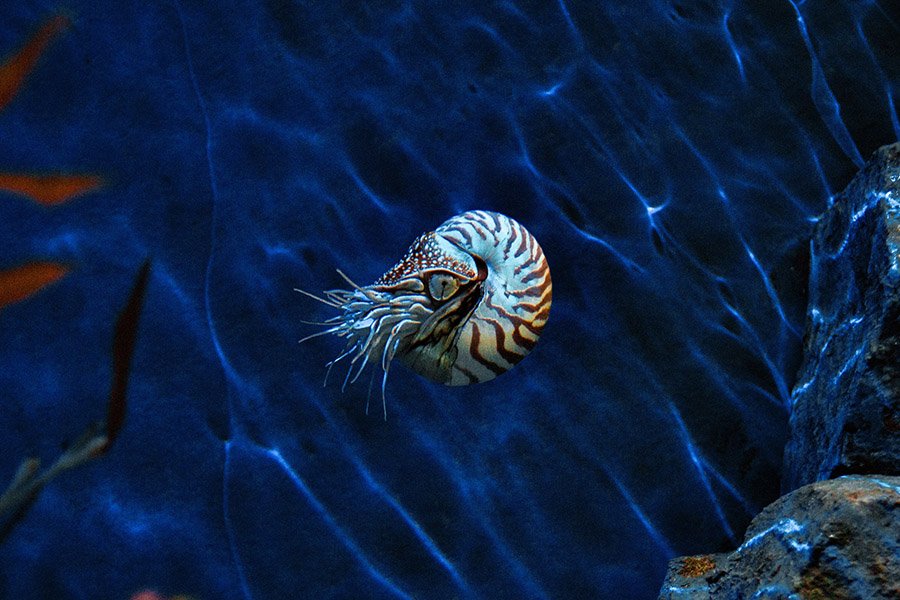
- Scientific name: Nautilus pompilius
- Type: Mollusc
- Conservation status: Vulnerable
- Number of hearts: 4 hearts (1 systemic, 3 accessory hearts)
The nautilus differs from other cephalopods because it has one main systemic heart and several auxiliary hearts that assist with circulation. These accessory hearts sit near the gills and help move blood through the respiratory system.
Although nautiluses swim more slowly than squid and octopuses, they still rely on well-regulated blood flow to control buoyancy, maintain oxygen supply and support movement. Their multiple hearts help them thrive in deep, low-light environments where oxygen levels can be lower.
Did you know? The nautilus can have more than ninety tentacles, far more than other cephalopods.
5. Hagfish
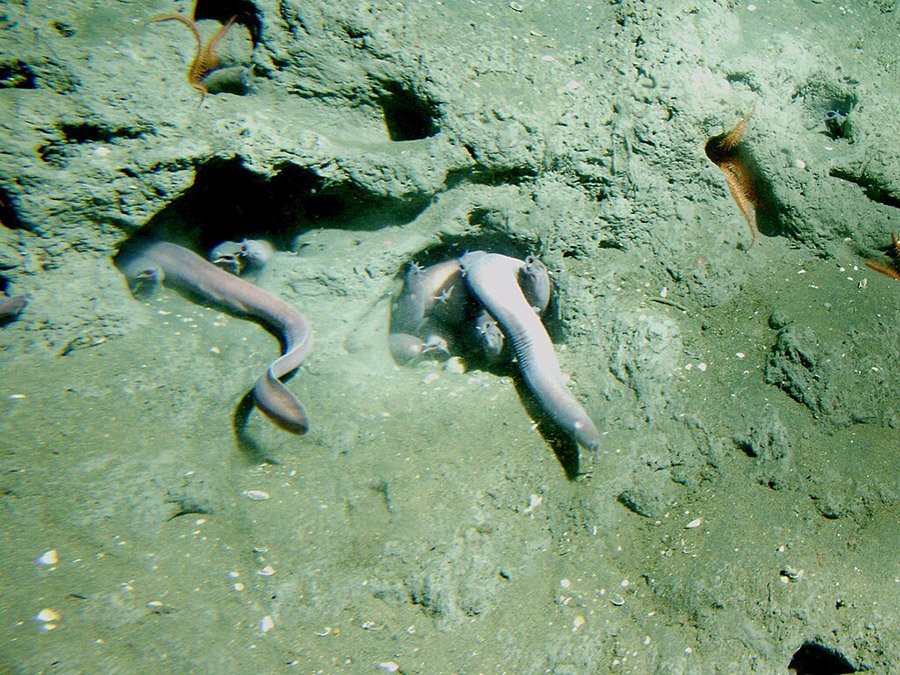
- Scientific name: Myxine glutinosa
- Type: Fish
- Conservation status: Least Concern
- Number of hearts: 4 “hearts” (1 true heart + 3 accessory pumps)
Hagfish are the only vertebrates with more than one heart. They have a primary heart that works like that of other fish, plus three auxiliary pumps that help circulate blood throughout the body.
Their blood pressure is low compared to most vertebrates, so these extra pumps keep blood moving steadily. Hagfish live in deep, cold waters and often burrow into carcasses on the seafloor. Their unusual circulation system supports survival in these slow-moving, low-oxygen conditions.
Did you know? Hagfish produce large amounts of slime when threatened. A single hagfish can fill a bucket with slime in minutes.
6. Earthworm
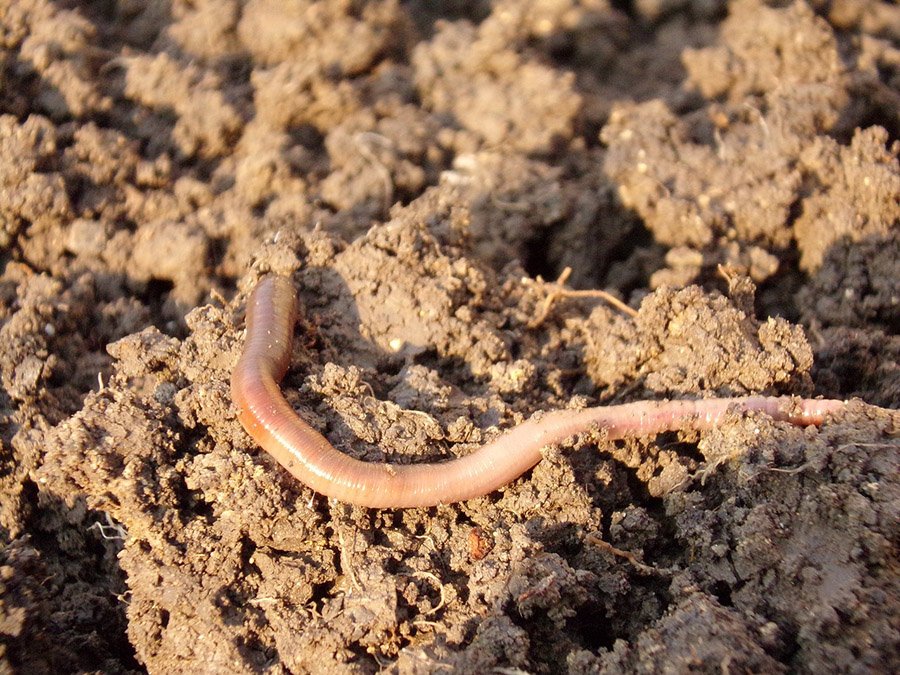
- Scientific name: Lumbricus terrestris
- Type: Annelid
- Conservation status: Not evaluated
- Number of hearts: 5 pairs of aortic arches (10 pumping structures)
Earthworms do not have true hearts, but they have five pairs of aortic arches that function like pumping organs. These arches control pressure and movement of blood throughout the body, working rhythmically much like a heart would.
Because earthworms have a closed circulatory system, these repeated pumping structures are essential for delivering oxygen and nutrients through their long body. Although sometimes described as having “ten hearts,” it is more accurate to say they have ten heart-like pumps. Without them, earthworms would not be able to move, burrow or process soil.
Did you know? An earthworm can eat more than half its body weight in soil each day, enriching the ecosystems it lives in.
Why Do Some Animals Have Multiple Hearts?
Animals develop multiple hearts when a single pump cannot meet their oxygen needs. In cephalopods, copper-based blood carries less oxygen, so multiple hearts ensure their tissues remain well supplied even during intense activity.
Deep-sea species such as hagfish benefit from auxiliary pumps that support circulation under low-pressure conditions. In segmented animals like earthworms, several pumping organs are more efficient than one central heart because their bodies are long and distributed.
Overall, extra hearts or heart-like structures evolve because they improve circulation, support complex movement or compensate for unique blood chemistry.
Final Thoughts
Animals with multiple hearts offer a fascinating look at how diverse circulatory systems can be. Whether it is an octopus gliding through coral, a hagfish on the seafloor or an earthworm enriching the soil, each species has evolved a system that matches its needs.
Multiple hearts provide better oxygen delivery, more efficient movement and an advantage in demanding environments. It is a rare adaptation, but one that highlights the creativity of evolution.